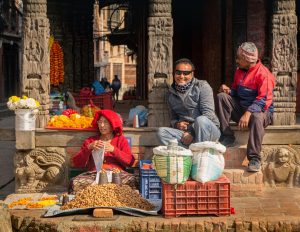
Picture this: you’re wandering through the bustling streets of Kathmandu, and suddenly you’re hit with the most incredible aroma of spiced potatoes, fried bread, and tangy chutneys. Welcome to Nepal’s street food paradise! If you think Nepal is all about mountains and monasteries, you’re in for a delicious surprise. The country’s street food scene is absolutely mind-blowing, offering flavors that’ll make your taste buds do a happy dance.
Nepal’s street food culture is a beautiful melting pot of South Asian, Tibetan, and Chinese influences, creating unique dishes that you won’t find anywhere else in the world. From the iconic momos that have conquered hearts globally to lesser-known gems like chatpate and sel roti, Nepal’s streets are lined with culinary treasures waiting to be discovered.
Why Nepal’s Street Food Scene is Absolutely Amazing
Let’s be real – Nepal’s street food isn’t just about filling your belly (though it does that incredibly well). It’s about experiencing the soul of Nepalese culture, one bite at a time. The street vendors aren’t just cooks; they’re artists who’ve perfected their recipes through generations, often starting before dawn to prepare fresh ingredients.
What makes Nepal’s street food special is its incredible diversity. You’ll find everything from hearty Tibetan-influenced dishes perfect for cold mountain evenings to spicy Indian-style snacks that’ll set your mouth on fire in the best possible way. Plus, most street food here is incredibly affordable – you can have a feast for less than what you’d pay for a coffee in Western countries!
Must-Try Street Food Dishes in Nepal
Momos: Nepal’s Crown Jewel
If you only try one street food in Nepal, make it momos. These delightful dumplings are basically Nepal’s national dish, and trust me, they’re nothing like the frozen versions you might find elsewhere. Authentic Nepalese momos are handmade with thin, perfectly pleated wrappers and stuffed with seasoned meat, vegetables, or cheese.
The most popular varieties include:
- Jhol Momo: Served in a spicy, tangy soup that’s pure comfort food
- Kothey Momo: Pan-fried on one side for that perfect crispy bottom
- C-Momo: Deep-fried and covered in a spicy sauce that’ll blow your mind
- Steam Momo: The classic steamed version, perfect for purists
Chatpate: The Ultimate Street Snack
Chatpate is basically Nepal’s answer to Indian chaat, but with its own unique twist. This colorful, crunchy snack is made with puffed rice, chickpeas, potatoes, onions, and a variety of chutneys. The name literally means “spicy and tangy,” and boy, does it deliver!
What makes chatpate special is how vendors customize it right in front of you. They’ll ask about your spice tolerance and adjust the ingredients accordingly. It’s like getting a personalized flavor bomb that’s different every time you order it.
Sel Roti: Nepal’s Festive Favorite
Sel roti is a traditional ring-shaped bread that’s crispy on the outside and soft on the inside. Made from rice flour and deep-fried to golden perfection, it’s often enjoyed during festivals but available year-round from street vendors. The texture is somewhere between a donut and a pretzel, with a subtle sweetness that’s absolutely addictive.
Samosa and Pakoda: Crispy Perfection
While these might seem familiar, Nepalese versions have their own character. The samosas are typically larger and spicier than their Indian counterparts, often filled with spiced potatoes, peas, and sometimes meat. Pakodas (vegetable fritters) come in various forms – from onion and spinach to cauliflower and potato.
Yomari: Sweet Steamed Delight
This traditional Newari delicacy is a steamed dumpling made from rice flour and filled with molasses and sesame seeds. Shaped like a fish (which is considered auspicious), yomari is especially popular during the winter months and has a unique, slightly sweet flavor that’s utterly comforting.
Laphing: Spicy Cold Noodles
Originally from Tibet but totally adopted by Nepal, laphing is a cold noodle dish that’s perfect for hot days. Made from mung bean or potato starch, these transparent, chewy noodles are served with a fiery sauce made from chilies, garlic, and various spices. It’s refreshing and spicy at the same time – a perfect contradiction!
Best Places to Find Street Food in Nepal
Kathmandu: The Street Food Capital
Asan Bazaar: This historic market is street food heaven. Navigate through the narrow alleys, and you’ll find some of the best chatpate, momos, and traditional sweets in the city. The atmosphere is chaotic but absolutely authentic.
New Road: The main shopping street of Kathmandu is also a foodie paradise. You’ll find everything from modern momo joints to traditional sweet shops. It’s particularly great for evening snacks when the vendors set up their stalls.
Ratna Park: The area around this central park is famous for its diverse street food options. It’s where locals go for their daily dose of chatpate and fresh fruit juices.
Durbar Square (Kathmandu): While touristy, the surrounding streets offer some excellent traditional snacks. Plus, you get to eat with a UNESCO World Heritage site as your backdrop!
Pokhara: Lakeside Eats
Pokhara might be known for its stunning lake and mountain views, but its street food scene is equally impressive. The Lakeside area is packed with street vendors, especially in the evenings. The momos here often have a slightly different preparation style, and you’ll find unique dishes influenced by the city’s position as a trekking hub.
Bhaktapur: Traditional Flavors
This ancient city is famous for its traditional Newari cuisine. The street food here tends to be more traditional and less influenced by modern trends. Don’t miss the local yogurt (juju dhau) and various traditional sweets that you won’t find elsewhere.
Patan: Hidden Gems
Patan’s narrow streets hide some incredible street food spots. The area around Patan Durbar Square is particularly good for traditional snacks and sweets. It’s less touristy than Kathmandu, so you’ll get more authentic experiences and better prices.
When to Eat Street Food in Nepal
Timing is everything when it comes to street food! Most vendors start setting up around 10 AM, but the real action begins in the late afternoon and evening. Between 4 PM and 8 PM is prime time – the food is fresh, the variety is at its peak, and the atmosphere is electric.
Morning hours (7 AM to 10 AM) are perfect for breakfast items like sel roti, tea, and traditional sweets. If you’re an early riser, you’ll catch vendors preparing their ingredients for the day, and the food is incredibly fresh.
During festivals, the street food scene explodes with special seasonal items. Dashain, Tihar, and local festivals are the best times to experience unique dishes that might not be available year-round.
Safety Tips for Enjoying Street Food
Let’s address the elephant in the room – is street food in Nepal safe? With some common-sense precautions, absolutely! Here are some practical tips to keep your stomach happy:
Choose Busy Stalls
Follow the locals! If a stall has a constant stream of customers, it means the food is turning over quickly and staying fresh. Empty stalls might mean the food has been sitting around too long.
Watch the Cooking Process
Stick to food that’s cooked fresh in front of you. Fried items like momos, samosas, and pakodas are generally safer because the high heat kills bacteria. Be cautious with items that have been sitting out for a while.
Be Smart About Water
Avoid ice in drinks and stick to bottled water. When it comes to beverages, hot tea is your safest bet – the boiling water kills any nasties, and it’s a great way to warm up on cool mountain days.
Start Slowly
If you’re new to Nepalese street food, start with milder options and gradually work your way up to spicier dishes. Your stomach needs time to adjust to new flavors and spice levels.
Trust Your Instincts
If something looks, smells, or tastes off, don’t eat it. Your nose and eyes are excellent food safety tools – use them!
Cultural Etiquette and Local Tips
Eating street food in Nepal isn’t just about the food – it’s about the experience. Here are some insider tips to help you navigate like a local:
Payment and Bargaining
Most street food is incredibly affordable, with prices ranging from 20 to 200 Nepalese Rupees (roughly $0.15 to $1.50). Small vendors might not have change for large bills, so carry small denominations. Bargaining isn’t common for street food – the prices are usually fixed and fair.
Eating Etiquette
Many street foods are eaten with hands, which is completely normal. Some vendors provide small plates or banana leaves. Don’t be shy about asking for extra chutney or sauce – vendors are usually happy to accommodate.
Language Basics
Learning a few Nepali words will enhance your experience. “Mitho” means delicious, “piro” means spicy, and “dhanyabad” means thank you. Vendors appreciate the effort, and you might even get extra portions!
Seasonal Specialties to Look Out For
Nepal’s street food scene changes with the seasons, offering unique specialties throughout the year:
Winter Specialties (December-February)
Cold weather calls for warming foods! Look for hot soups, steaming momos, and sweet treats like yomari. Street vendors also sell roasted corn, chestnuts, and sweet potatoes that are perfect for chilly evenings.
Spring and Summer (March-August)
This is the season for refreshing treats like laphing, fresh fruit juices, and lighter snacks. Ice cream vendors become more common, and you’ll find seasonal fruits being sold on every corner.
Festival Seasons
During major festivals, special items appear that you won’t find year-round. Tihar brings unique sweets, while Dashain features special meat preparations. These seasonal specialties are definitely worth seeking out!
Budget-Friendly Street Food Adventures
One of the best things about Nepal’s street food scene is how budget-friendly it is. You can literally eat like a king on a pauper’s budget! Here’s what you can expect to spend:
- Momos (plate of 10): 80-150 NPR ($0.60-$1.10)
- Chatpate: 30-60 NPR ($0.20-$0.45)
- Samosas (2 pieces): 20-40 NPR ($0.15-$0.30)
- Sel Roti: 10-20 NPR per piece ($0.07-$0.15)
- Fresh Juice: 50-100 NPR ($0.35-$0.75)
For less than $5 USD, you can have a street food feast that includes multiple dishes, a drink, and probably still have change left over!
Making the Most of Your Street Food Adventure
To truly embrace Nepal’s street food culture, consider these tips:
Go with an empty stomach: Don’t eat a big meal before your street food adventure. You’ll want room to try multiple dishes!
Bring friends: Street food is meant to be shared. Going with others allows you to try more varieties and makes the experience more fun.
Take photos, but be respectful: Many vendors are happy to let you photograph their food, but always ask first. Some might even pose with their specialties!
Learn about ingredients: Don’t be afraid to ask vendors about ingredients, especially if you have allergies or dietary restrictions. Most are happy to explain their dishes.
Conclusion
Nepal’s street food scene is an adventure that goes way beyond just satisfying hunger – it’s about diving headfirst into the country’s rich culture, connecting with incredibly friendly locals, and discovering flavors that’ll stay with you long after you’ve returned home. From the perfect pleats of a handmade momo to the explosive flavors of chatpate, every bite tells a story of tradition, creativity, and pure passion for food.
Whether you’re exploring the chaotic streets of Kathmandu, enjoying lakeside snacks in Pokhara, or discovering hidden gems in ancient Bhaktapur, Nepal’s street food will surprise and delight you at every turn. So pack your appetite, bring your sense of adventure, and get ready to eat your way through one of Asia’s most underrated food destinations.
Remember, the best street food experiences often happen when you least expect them – in that narrow alley you almost missed, at that tiny stall with no English sign, or when a friendly vendor insists you try their grandmother’s secret recipe. Trust your instincts, follow your nose, and most importantly, enjoy every delicious moment of your Nepal street food journey!