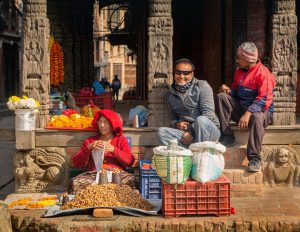
Picture this: you’re wandering through the bustling streets of Kathmandu, and suddenly you’re struck by the vibrant colors and intricate patterns of traditional Nepalese clothing. From the flowing fabrics to the detailed embroidery, each piece tells a story that’s been woven through generations. Today, we’re going to dive deep into the fascinating world of traditional Nepalese attire and uncover the rich cultural meanings behind these beautiful garments.
Nepal’s traditional clothing isn’t just about looking good (though it definitely does that!). Each piece carries centuries of history, cultural significance, and symbolic meaning that reflects the diverse ethnic groups and rich heritage of this Himalayan nation. Whether you’re planning a trip to Nepal, interested in cultural fashion, or simply curious about world traditions, this guide will give you an insider’s look at the clothing that defines Nepalese identity.
Understanding the Cultural Foundation of Nepalese Clothing
Before we dive into specific garments, let’s set the stage. Nepal is home to over 125 distinct ethnic groups, each with their own unique clothing traditions. The country’s location between India and China has created a fascinating blend of influences, while the diverse geography – from the Terai plains to the towering Himalayas – has shaped practical clothing needs that evolved into beautiful cultural expressions.
Traditional Nepalese clothing serves multiple purposes beyond mere fashion. It’s a way to identify one’s ethnic group, social status, regional origin, and even marital status. The colors, patterns, and accessories all carry specific meanings that have been passed down through generations, creating a rich tapestry of cultural communication through clothing.
Men’s Traditional Nepalese Clothing
Daura-Suruwal: The National Dress for Men
Let’s start with the most iconic piece of men’s traditional Nepalese clothing: the Daura-Suruwal. This outfit consists of two main components – the Daura (a closed-neck shirt) and the Suruwal (tapered trousers). What makes this combination so special isn’t just its elegant appearance, but the deep symbolism woven into every detail.
The Daura features five pleats on the chest, and here’s where it gets really interesting – these pleats represent the Pancha Buddha (Five Buddhas) in Buddhist tradition. The closed collar symbolizes the snake around Lord Shiva’s neck in Hindu tradition, beautifully representing Nepal’s religious harmony. The eight strings used to tie the Daura represent the eight different manifestations of Goddess Laxmi, the deity of wealth and prosperity.
The Suruwal, meanwhile, is designed to be both practical and symbolic. The tapered legs represent the two major rivers of Nepal – the Koshi and Gandaki – while the comfortable fit allows for easy movement during daily activities and religious ceremonies.
Dhaka Topi: The Iconic Nepalese Hat
No traditional Nepalese outfit is complete without the famous Dhaka Topi. This distinctive hat, with its colorful geometric patterns, is more than just a fashion statement – it’s a symbol of Nepalese pride and identity. The name “Dhaka” comes from the city of Dhaka (now in Bangladesh), where this style of fabric was originally produced.
The Dhaka Topi is typically worn during festivals, weddings, and important cultural events. The intricate patterns aren’t random decorations; they often represent elements from nature, religious symbols, and geometric designs that hold spiritual significance. Wearing a Dhaka Topi is considered a mark of respect for Nepalese culture and tradition.
Additional Men’s Accessories
Traditional Nepalese men’s clothing often includes several other important accessories:
- Patuka: A long cloth wrapped around the waist, symbolizing strength and providing support during physical work
- Vest (Bhoto): Usually worn over the Daura, adding an extra layer of formality
- Khukuri: The traditional curved knife, worn as both a tool and a symbol of bravery
- Selroti necklace: Sometimes worn during festivals, made from traditional ring-shaped sweets
Women’s Traditional Nepalese Clothing
Gunyu-Cholo: Elegance in Tradition
For women, the traditional Gunyu-Cholo represents the epitome of Nepalese feminine elegance. This outfit consists of three main parts: the Gunyu (a full-length skirt), the Cholo (a fitted blouse), and the Patuka (a wide sash tied around the waist). Each element has been carefully designed to be both beautiful and meaningful.
The Gunyu is typically made from rich fabrics in deep, vibrant colors. Red is particularly significant as it represents prosperity, fertility, and good fortune. The full skirt allows for graceful movement and is practical for various activities, from farming to dancing during festivals. The length and style of the Gunyu can indicate a woman’s marital status and regional background.
The Cholo is a fitted blouse that’s often intricately embroidered with traditional motifs. These embroideries aren’t just decorative – they tell stories, represent family history, and showcase the wearer’s skill or that of the women in her family. The tight fit of the Cholo emphasizes the feminine silhouette while remaining modest and appropriate for all occasions.
Haku Patasi: The Newari Traditional Dress
The Newar community, indigenous to the Kathmandu Valley, has their own distinctive traditional dress called Haku Patasi. This elegant outfit consists of a black sari-like garment with a red border, worn with a traditional blouse. The black color represents elegance and sophistication, while the red border symbolizes prosperity and auspiciousness.
What’s fascinating about the Haku Patasi is how it’s draped – the style is unique to the Newar community and requires skill to wear properly. The way the fabric falls and the placement of the pleats are all part of a tradition that mothers pass down to their daughters, ensuring the continuation of this beautiful cultural practice.
Traditional Jewelry and Accessories
Nepalese women’s traditional clothing is beautifully complemented by elaborate jewelry, each piece carrying its own significance:
- Tilhari: A special necklace given to brides, symbolizing married status
- Pote: Glass bead necklaces that come in various colors, each with different meanings
- Naugedi: A nine-string necklace representing the nine planets in Hindu astrology
- Saubhagya: Ornaments that symbolize good fortune and marital bliss
- Sindoor: Red powder applied to the hair parting, indicating married status
Regional Variations and Ethnic Diversity
Sherpa Traditional Clothing
The Sherpa people of the Himalayan regions have developed clothing perfectly adapted to their high-altitude lifestyle. The Chuba is the traditional Sherpa robe, designed to provide warmth and protection against harsh mountain weather. Made from thick wool, the Chuba is worn by both men and women, though with slight variations in style and decoration.
Sherpa clothing often features bright colors and intricate patterns that stand out beautifully against the snow-covered mountains. The practical design includes wide sleeves for storing small items and a loose fit that allows for layering underneath during extremely cold weather.
Tharu Traditional Dress
The Tharu people of the Terai region have their own distinct clothing traditions. Tharu women typically wear the Lehanga-Choli (a long skirt with a fitted top) in bright, cheerful colors. The fabrics are often lighter than those used in mountain regions, reflecting the warmer climate of the plains.
Tharu clothing is known for its vibrant embroidery and mirror work, creating stunning visual effects that catch and reflect light. The patterns often depict local flora and fauna, telling stories about the natural environment that the Tharu people call home.
Gurung and Magar Clothing
The Gurung and Magar communities have their own traditional attire that reflects their warrior heritage and mountain lifestyle. Gurung women wear the Ghalek, a velvet blouse with a wraparound skirt, often in maroon or dark blue colors. The clothing is designed to be both practical for mountain life and elegant for special occasions.
These communities are also known for their distinctive jewelry and accessories, including large silver ornaments and traditional headpieces that are passed down through generations as family heirlooms.
Colors and Their Cultural Significance
The Language of Colors
In Nepalese traditional clothing, colors speak volumes. Each hue carries specific meanings and is chosen carefully based on the occasion, the wearer’s status, and cultural beliefs:
- Red: The most auspicious color, representing prosperity, fertility, and good fortune. It’s particularly important for married women and during festivals
- White: Symbolizes purity and peace, often worn during religious ceremonies, though it’s avoided during celebrations as it’s associated with mourning
- Yellow: Represents knowledge, prosperity, and spirituality. It’s often worn during religious festivals and by those seeking blessings
- Blue: Symbolizes tranquility and is often associated with Lord Krishna. It’s considered calming and peaceful
- Green: Represents nature, fertility, and new beginnings. It’s popular during spring festivals
- Maroon: A color of dignity and spiritual significance, often worn by older women and during solemn occasions
Patterns and Motifs
The patterns adorning traditional Nepalese clothing are far from random decorations. Each motif has been carefully chosen to convey specific meanings:
- Paisley designs: Represent fertility and abundance
- Floral patterns: Symbolize beauty, growth, and the cycle of life
- Geometric shapes: Often represent cosmic elements and spiritual concepts
- Animal motifs: Each animal carries its own symbolism – elephants for wisdom, peacocks for beauty, tigers for strength
Traditional Clothing in Modern Nepal
Preserving Tradition in a Modern World
Today’s Nepal presents an interesting blend of traditional and modern clothing choices. While Western-style clothing has become common in urban areas, traditional attire remains deeply important for cultural events, religious ceremonies, and festivals. Many young Nepalese are finding creative ways to incorporate traditional elements into modern outfits, creating a beautiful fusion that honors their heritage while embracing contemporary life.
Government offices in Nepal have specific days when employees are encouraged to wear traditional clothing, helping to keep these beautiful traditions alive. Schools often have cultural programs where students learn about and wear traditional dress, ensuring that knowledge about these garments and their meanings is passed to the next generation.
The Role of Festivals
Festivals are when traditional Nepalese clothing truly comes alive. During major celebrations like Dashain, Tihar, and Teej, people across Nepal don their finest traditional attire. These occasions provide opportunities for families to share stories about their clothing, pass down family garments, and ensure that younger generations understand the cultural significance of what they’re wearing.
The festival of Gai Jatra sees people wearing their most colorful traditional outfits, while during Teej, women specifically wear red clothing to honor the goddess Parvati and pray for their husbands’ long lives. Each festival has its own clothing traditions, creating a calendar of colorful celebrations throughout the year.
The Craft Behind the Clothing
Traditional Textile Production
Understanding traditional Nepalese clothing means appreciating the incredible craftsmanship that goes into creating these garments. Many pieces are still made using traditional methods passed down through generations. Hand-weaving, natural dyeing, and intricate embroidery work are skills that require years to master.
The famous Dhaka fabric used for traditional hats and trim is still woven on traditional looms in certain regions of Nepal. The complex patterns require skilled artisans who understand not just the technical aspects of weaving but also the cultural significance of the designs they’re creating.
Supporting Local Artisans
Today, there’s a growing movement to support local artisans who specialize in traditional clothing. Many organizations are working to preserve these skills and provide fair wages to craftspeople. When you purchase traditional Nepalese clothing, you’re not just buying a garment – you’re supporting centuries-old traditions and helping ensure that these beautiful crafts continue to thrive.
Tips for Wearing Traditional Nepalese Clothing
For Visitors and Enthusiasts
If you’re interested in wearing traditional Nepalese clothing, here are some helpful tips to ensure you do so respectfully and appropriately:
- Learn the basics: Understand what each piece represents and when it’s appropriate to wear it
- Ask for guidance: Don’t hesitate to ask local people for help with proper wearing techniques
- Choose appropriate occasions: Traditional clothing is perfect for festivals, cultural events, and temple visits
- Respect the colors: Be mindful of color choices and their significance, especially regarding marital status symbols
- Support authentic sources: Purchase from reputable sellers who work with traditional artisans
- Care for the garments properly: Traditional fabrics often require special care to maintain their beauty
Maintenance and Care
Traditional Nepalese clothing often requires special care due to the delicate fabrics and intricate embroidery work. Hand-washing is usually recommended for embroidered pieces, while some garments may need professional cleaning. Proper storage is also important – many traditional pieces are wrapped in muslin cloth and stored with natural moth repellents to preserve them for future generations.
The Future of Traditional Nepalese Clothing
As Nepal continues to modernize, the question of how to preserve traditional clothing becomes increasingly important. Fortunately, there’s a growing appreciation for these beautiful garments among younger generations. Fashion designers are finding innovative ways to incorporate traditional elements into contemporary designs, while cultural organizations work to document and preserve traditional clothing knowledge.
Social media has also played a surprising role in preserving tradition, with young Nepalese people proudly sharing photos of themselves in traditional attire and spreading knowledge about cultural dress codes. This digital preservation helps ensure that information about traditional clothing reaches a global audience and inspires appreciation for Nepalese culture worldwide.
The tourism industry has also contributed to keeping traditional clothing alive. Visitors to Nepal often purchase traditional garments as souvenirs or to wear during their stay, providing economic incentives for artisans to continue practicing their crafts. Cultural tours that include traditional dress experiences have become popular, allowing visitors to learn about and appreciate these beautiful traditions firsthand.
Conclusion: More Than Just Clothing
Traditional Nepalese clothing represents far more than fashion – it’s a living, breathing expression of culture, history, and identity. From the symbolic pleats of the Daura-Suruwal to the auspicious colors of the Gunyu-Cholo, every element tells a story that connects the wearer to their ancestors, their community, and their spiritual beliefs.
As we’ve explored throughout this journey, these beautiful garments serve as bridges between the past and present, allowing modern Nepalese people to maintain connections to their rich cultural heritage while navigating the contemporary world. The intricate patterns, meaningful colors, and skilled craftsmanship represent thousands of years of cultural evolution and artistic expression.
Whether you’re planning to visit Nepal, studying world cultures, or simply appreciating the beauty of traditional clothing, understanding the significance behind these garments adds depth to the experience. The next time you see someone wearing traditional Nepalese attire, you’ll know that you’re looking at more than just beautiful clothing – you’re witnessing a piece of living history, a cultural story told through fabric, color, and design.
The preservation and appreciation of traditional Nepalese clothing ensure that future generations will continue to have access to this rich cultural heritage. By understanding, respecting, and supporting these traditions, we all play a part in keeping this beautiful aspect of Nepalese culture alive and thriving for years to come.