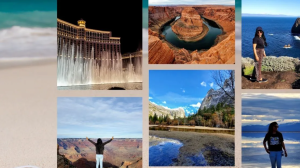
The United States boasts 63 magnificent national parks, each offering unique landscapes, wildlife encounters, and outdoor adventures. As we head into 2026, these protected wilderness areas continue to captivate millions of visitors annually with their breathtaking beauty and diverse ecosystems. Whether you’re seeking towering mountain peaks, pristine coastlines, ancient forests, or desert landscapes, America’s national parks deliver unforgettable experiences for every type of traveler.
Planning your national park adventures for 2026 requires careful consideration of seasonal factors, crowd levels, and new developments within the park system. This comprehensive guide will help you discover the top national parks to visit, providing essential information about what makes each destination special, the best times to visit, and practical tips for making the most of your journey.
Why 2026 is an Exceptional Year for National Park Visits
The year 2026 marks several significant milestones for the National Park Service, making it an ideal time to explore these natural treasures. The ongoing centennial celebration initiatives continue to enhance visitor experiences through improved infrastructure, expanded educational programs, and enhanced conservation efforts.
New technological implementations, including improved reservation systems and enhanced mobile applications, will streamline your park experience. Additionally, many parks are completing major restoration projects and opening new trails and facilities, providing fresh opportunities for exploration even in well-established destinations.
The Top 15 National Parks to Visit in 2026
1. Yellowstone National Park, Wyoming/Montana/Idaho
America’s first national park remains one of its most spectacular, featuring an extraordinary collection of geothermal features, diverse wildlife, and pristine wilderness. Yellowstone’s unique ecosystem supports over 1,000 species of plants and hundreds of animal species, including grizzly bears, wolves, bison, and elk.
The park’s geothermal wonders include more than 10,000 hydrothermal features, with Old Faithful being the most famous. The Grand Prismatic Spring, Mammoth Hot Springs, and the numerous geysers throughout the park create a landscape unlike anywhere else on Earth.
Best time to visit: May through September for accessibility, though each season offers unique experiences. Winter visits provide excellent wildlife viewing and geothermal feature photography opportunities.
2026 highlights: New boardwalk installations around thermal features and expanded educational programs about geothermal ecology.
2. Grand Canyon National Park, Arizona
The Grand Canyon’s immense scale and geological significance make it one of the world’s most recognizable natural landmarks. This mile-deep canyon carved by the Colorado River reveals nearly two billion years of Earth’s geological history through its layered rock formations.
Both the South Rim and North Rim offer distinct perspectives and experiences. The South Rim provides year-round access and numerous viewpoints, while the North Rim offers a more secluded experience with cooler temperatures and different vantage points.
Best time to visit: Spring (April-May) and fall (September-November) for comfortable temperatures and fewer crowds. The South Rim remains accessible year-round.
2026 highlights: Enhanced trail maintenance and new interpretive programs focusing on Native American cultural history.
3. Yosemite National Park, California
Yosemite’s granite cliffs, waterfalls, and giant sequoias create one of America’s most photographed landscapes. El Capitan and Half Dome serve as iconic symbols of the American West, while Yosemite Falls ranks among the world’s tallest waterfalls.
The park offers diverse experiences from easy valley floor walks to challenging backcountry adventures. Yosemite Valley concentrates many of the park’s most famous features within a relatively small area, making it accessible to visitors of all abilities.
Best time to visit: Late spring through early fall for waterfall viewing and high country access. Winter provides excellent opportunities for snow photography and solitude.
2026 highlights: Completion of valley shuttle system improvements and new sustainable transportation initiatives.
4. Great Smoky Mountains National Park, Tennessee/North Carolina
As America’s most visited national park, the Great Smoky Mountains offer incredible biodiversity within ancient Appalachian peaks. The park protects over 19,000 documented species, with scientists estimating that up to 80,000 additional species may inhabit the region.
The park’s cultural history includes well-preserved examples of Southern Appalachian mountain culture, including historic buildings, gristmills, and churches that tell the story of the region’s human heritage.
Best time to visit: Spring for wildflowers and waterfalls, fall for spectacular foliage, and summer for full accessibility to high-elevation areas.
2026 highlights: New visitor education programs about Appalachian ecology and expanded trail accessibility features.
5. Zion National Park, Utah
Zion’s towering sandstone cliffs and narrow slot canyons create a landscape of incredible vertical drama. The Virgin River carved these spectacular formations over millions of years, creating hiking opportunities ranging from easy riverside walks to challenging technical canyoneering routes.
The park’s unique geography supports diverse plant and animal communities, from desert species in the lower elevations to mountain flora in the higher reaches. The Narrows and Angel’s Landing rank among America’s most iconic hiking experiences.
Best time to visit: Spring and fall for ideal hiking temperatures. Summer can be extremely hot in the canyon, while winter may limit access to some high-elevation areas.
2026 highlights: Enhanced shuttle system efficiency and new safety measures for popular hiking trails.
6. Glacier National Park, Montana
Known as the “Crown of the Continent,” Glacier National Park preserves over one million acres of pristine wilderness along the Continental Divide. The park’s dramatic mountain landscapes, pristine lakes, and remaining glaciers create some of the most spectacular scenery in North America.
The park supports diverse wildlife populations, including mountain goats, bighorn sheep, black bears, and grizzly bears. Going-to-the-Sun Road provides access to high alpine environments and serves as one of America’s most scenic drives.
Best time to visit: July through September when the full road system is typically open. Early summer offers wildflower blooms, while fall provides excellent wildlife viewing.
2026 highlights: Ongoing glacier monitoring programs and enhanced climate change education initiatives.
7. Arches National Park, Utah
Home to over 2,000 natural stone arches, Arches National Park showcases the power of erosion in creating extraordinary geological formations. Delicate Arch, featured on Utah’s license plate, serves as the park’s most recognizable symbol.
The park’s red rock landscape provides excellent opportunities for photography, particularly during sunrise and sunset when the sandstone formations glow with warm colors. Easy walks to major arches make the park accessible to visitors of all ages and abilities.
Best time to visit: Spring and fall for comfortable temperatures. Summer heat can be intense, while winter occasionally brings snow to the high desert.
2026 highlights: New interpretive programs about desert ecosystems and expanded accessibility to popular formations.
8. Rocky Mountain National Park, Colorado
Rocky Mountain National Park protects a spectacular portion of the Southern Rocky Mountains, featuring peaks exceeding 14,000 feet in elevation. The park’s diverse ecosystems range from montane valleys to alpine tundra, supporting varied plant and animal communities.
Trail Ridge Road, one of America’s highest continuous paved roads, provides access to alpine environments typically requiring extensive hiking. Wildlife viewing opportunities include elk, bighorn sheep, marmots, and numerous bird species.
Best time to visit: Summer and early fall for high-elevation access. Winter provides excellent opportunities for snowshoeing and cross-country skiing in lower elevations.
2026 highlights: Enhanced timed entry reservation systems and improved facilities for high-altitude visitors.
9. Acadia National Park, Maine
Acadia National Park preserves a rugged section of the Maine coast, featuring rocky shorelines, pristine lakes, and granite peaks. The park’s unique location where mountains meet the sea creates diverse ecosystems and spectacular scenery.
Cadillac Mountain provides the first sunrise views in the United States during certain times of the year. The park’s carriage roads, built by John D. Rockefeller Jr., offer excellent opportunities for hiking, cycling, and cross-country skiing.
Best time to visit: Summer for warm weather and full access, fall for spectacular foliage, and spring for migrating birds and wildflowers.
2026 highlights: Restored historical structures and expanded programs about Maine’s maritime heritage.
10. Olympic National Park, Washington
Olympic National Park encompasses three distinct ecosystems: rugged Pacific coastline, temperate rainforests, and alpine mountains. This diversity makes it one of the most ecologically complex parks in the system.
The park’s temperate rainforests receive over 12 feet of annual precipitation, creating lush environments dominated by massive trees draped in moss. The coastal areas feature tide pools, sea stacks, and pristine beaches.
Best time to visit: Summer for mountain access and coastal activities, though each season offers unique experiences. Fall and winter provide storm watching opportunities along the coast.
2026 highlights: Enhanced marine ecosystem education programs and improved trail access to remote wilderness areas.
11. Grand Teton National Park, Wyoming
The Teton Range rises dramatically from Jackson Hole’s valley floor, creating one of America’s most impressive mountain profiles. These young mountains, formed by recent geological activity, provide excellent opportunities for mountaineering, hiking, and wildlife viewing.
The park’s pristine lakes reflect the towering peaks, creating classic postcard scenes. Jackson Lake and the Snake River provide water recreation opportunities and support diverse wildlife populations.
Best time to visit: Summer and early fall for high-elevation access and optimal wildlife viewing. Winter provides excellent opportunities for skiing and snow photography.
2026 highlights: Expanded backcountry education programs and enhanced facilities for winter recreation.
12. Death Valley National Park, California/Nevada
Death Valley represents one of America’s most extreme environments, featuring the lowest elevation in North America and some of the continent’s hottest temperatures. Despite harsh conditions, the park supports surprising biodiversity and offers unique geological features.
The park’s vast landscapes include salt flats, sand dunes, colorful badlands, and snow-capped peaks. Badwater Basin, Artists Palette, and Zabriskie Point provide easily accessible viewing opportunities for the park’s diverse scenery.
Best time to visit: Fall through spring for comfortable temperatures. Summer heat can be dangerous, though it offers unique experiences for properly prepared visitors.
2026 highlights: New interpretive programs about desert survival and expanded night sky viewing opportunities.
13. Bryce Canyon National Park, Utah
Bryce Canyon’s hoodoos create one of the world’s most distinctive landscapes. These colorful spire-shaped rock formations, carved by frost action and erosion, form natural amphitheaters of incredible beauty.
The park’s high elevation provides cooler temperatures than surrounding desert areas and supports diverse plant communities. Sunrise and sunset viewings from the rim provide spectacular photography opportunities as light plays across the colorful formations.
Best time to visit: Spring through fall for comfortable hiking conditions. Winter brings snow that enhances the hoodoos’ beauty but may limit access to some areas.
2026 highlights: Enhanced geological education programs and improved accessibility to major viewpoints.
14. Everglades National Park, Florida
The Everglades protect the largest subtropical wilderness in the United States, encompassing diverse ecosystems including sawgrass marshes, cypress swamps, and coastal mangroves. This unique environment supports numerous endangered species and serves as a critical habitat for migratory birds.
Alligators, manatees, and Florida panthers represent some of the park’s most iconic wildlife. The park’s flat terrain makes it ideal for canoeing, kayaking, and wildlife photography.
Best time to visit: Winter dry season (December-April) for optimal wildlife viewing and comfortable conditions. Summer brings heat, humidity, and insects but offers unique experiences for prepared visitors.
2026 highlights: Expanded ecosystem restoration programs and enhanced educational opportunities about wetland conservation.
15. Joshua Tree National Park, California
Joshua Tree National Park preserves portions of two distinct desert ecosystems: the Mojave and Sonoran deserts. The park’s namesake Joshua trees create a unique landscape unlike anywhere else in the world.
The park’s rock formations attract climbers from around the globe, while its dark skies provide exceptional stargazing opportunities. Desert wildflower blooms in spring transform the landscape with vibrant colors.
Best time to visit: Fall through spring for comfortable temperatures and potential wildflower blooms. Summer heat can be intense but offers solitude and unique photographic opportunities.
2026 highlights: Enhanced dark sky preservation initiatives and expanded programs about desert adaptation strategies.
Planning Your National Park Adventures in 2026
Reservation Systems and Entry Requirements
Many popular national parks now require timed entry reservations during peak seasons. Advanced planning is essential for visiting parks like Yosemite, Rocky Mountain, Glacier, and Arches during summer months. Reservation systems typically open several months in advance, and popular dates fill quickly.
- Check individual park websites for specific reservation requirements
- Consider visiting during shoulder seasons for more flexibility
- Have backup plans for alternative parks or activities
- Purchase annual national park passes for frequent visitors
Accommodation Strategies
National park lodging fills up rapidly, often requiring reservations a year in advance for peak season stays. Alternative accommodation strategies include:
- Camping in park campgrounds (reservations also required)
- Staying in gateway communities near park entrances
- Considering vacation rentals in nearby areas
- Exploring lesser-known parks with more available accommodations
Transportation Considerations
Many national parks experience significant traffic congestion during peak periods. Sustainable transportation options increasingly available include:
- Park shuttle systems reducing private vehicle use
- Public transportation connections to park entrances
- Bicycle-friendly policies and infrastructure
- Carpooling and rideshare arrangements
Essential Tips for National Park Visits in 2026
Leave No Trace Principles
Responsible recreation becomes increasingly important as visitation numbers continue to grow. Leave No Trace principles help preserve these natural areas for future generations:
- Plan ahead and prepare thoroughly
- Travel and camp on durable surfaces
- Dispose of waste properly
- Leave what you find untouched
- Minimize campfire impacts
- Respect wildlife by maintaining safe distances
- Be considerate of other visitors
Safety Considerations
National parks present various natural hazards requiring appropriate preparation and awareness. Essential safety practices include:
- Informing others of your planned activities and timeline
- Carrying appropriate gear for weather and terrain conditions
- Staying on designated trails and following park regulations
- Carrying sufficient water and emergency supplies
- Understanding wildlife safety protocols
- Checking current conditions and closures before departure
Technology and Apps
Modern technology enhances national park experiences through various applications and tools:
- Official National Park Service app providing maps and information
- Weather monitoring apps for current conditions
- Photography apps for optimal lighting conditions
- Star gazing apps for night sky identification
- Offline map applications for areas without cell service
Seasonal Considerations for 2026 Visits
Spring Adventures (March-May)
Spring offers unique advantages for national park visits, including moderate temperatures, wildflower blooms, and active wildlife. Many parks begin opening seasonal roads and facilities, providing access to areas closed during winter months.
Popular spring destinations include Death Valley for wildflowers, Great Smoky Mountains for blooming dogwood and redbud trees, and Zion for comfortable hiking temperatures.
Summer Exploration (June-August)
Summer provides maximum accessibility to high-elevation areas and seasonal roads typically closed during winter months. However, this season also brings peak crowds and reservation requirements to popular destinations.
Consider early morning starts, midweek visits, and exploring less crowded areas within popular parks to maximize your summer experience.
Fall Colors and Comfort (September-November)
Fall combines comfortable temperatures with spectacular foliage in many parks. Great Smoky Mountains, Acadia, and Rocky Mountain National Park offer exceptional autumn colors, while desert parks provide relief from summer heat.
Fall also offers excellent wildlife viewing opportunities as animals prepare for winter and migration seasons reach peak activity.
Winter Solitude (December-February)
Winter visits provide unique perspectives on familiar landscapes while offering opportunities for solitude and snow-enhanced scenery. Many parks remain accessible during winter, though some roads and facilities may close.
Winter activities include snowshoeing, cross-country skiing, and wildlife photography in parks like Yellowstone, where geothermal features create dramatic contrasts with snow-covered landscapes.
Budget-Friendly National Park Travel
Cost-Saving Strategies
National park adventures need not break the budget with proper planning and strategic choices:
- Purchase America the Beautiful annual passes for multiple park visits
- Utilize free entrance days throughout the year
- Camp instead of staying in expensive park lodges
- Pack meals and snacks to avoid high concession prices
- Visit during shoulder seasons for lower accommodation costs
- Take advantage of free ranger programs and educational opportunities
Free and Low-Cost Activities
Many exceptional experiences within national parks require no additional fees beyond entrance costs:
- Hiking on maintained trail systems
- Attending ranger-led programs and evening presentations
- Wildlife viewing and photography
- Stargazing in parks with dark sky designations
- Visiting museum exhibits and visitor centers
- Participating in junior ranger programs for children
Conclusion: Making the Most of America’s National Parks in 2026
America’s national parks offer unparalleled opportunities to connect with nature, learn about our planet’s geological and ecological processes, and create lasting memories with family and friends. The 15 parks highlighted in this guide represent diverse landscapes and experiences, from desert extremes to alpine environments, ancient forests to dramatic coastlines.
Success in visiting national parks during 2026 requires advance planning, flexibility, and respect for these protected environments. By understanding reservation systems, seasonal variations, and sustainable travel practices, you can maximize your experiences while minimizing your impact on these precious resources.
Whether you’re planning a single park adventure or an ambitious multi-park journey, these natural treasures await your discovery. Start planning your 2026 national park adventures today, and prepare to be amazed by the incredible diversity and beauty of America’s protected wilderness areas.
Ready to start planning your national park adventure? Visit the official National Park Service website to check current conditions, make reservations, and discover detailed information about each park’s unique offerings. Your journey into America’s natural wonders awaits!