France captivates visitors like few other countries on Earth. From the unmistakable silhouette of the Eiffel Tower to sun-drenched lavender fields in Provence, from world-class wines in Bordeaux to the dramatic tidal island of Mont Saint-Michel, France offers experiences that linger in memory long after you return home. With over 89 million visitors annually, France remains the world’s most visited country, and for excellent reasons.
This comprehensive guide explores the top things to do in France, covering iconic attractions, hidden gems, regional highlights, and practical tips to help you plan an unforgettable French adventure. Whether you’re a first-time visitor dreaming of Paris or a returning traveler ready to explore beyond the capital, France rewards every type of explorer.
Table of Contents
Paris: The Essential French Experience
No trip to France is complete without experiencing Paris. The City of Light has earned its reputation through centuries of art, architecture, fashion, and cuisine that continue to set global standards.
The Eiffel Tower
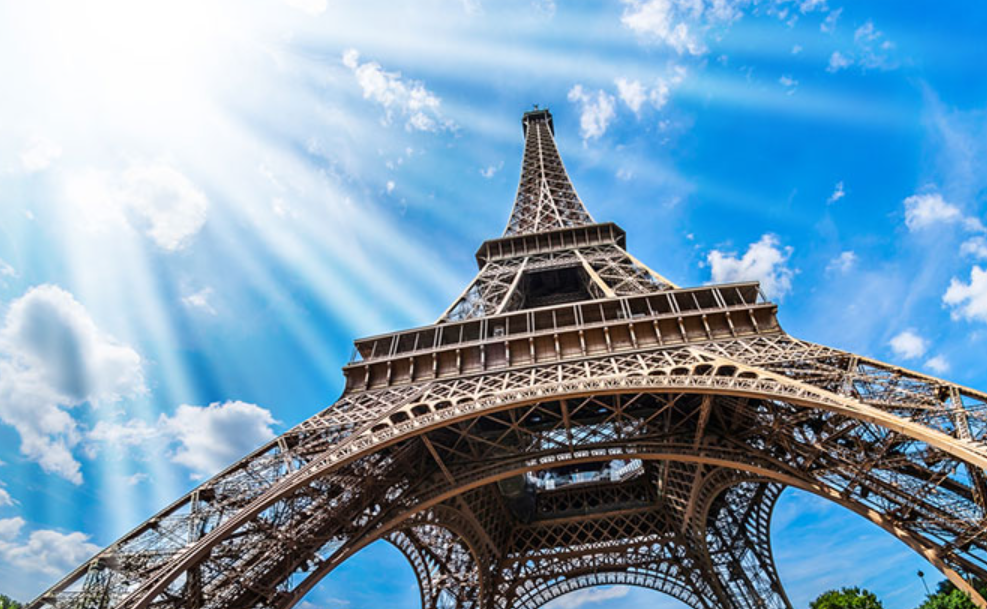
The iron lady of Paris needs no introduction. Built for the 1889 World’s Fair from 18,000 metal pieces and 2.5 million rivets, the Eiffel Tower has become the universal symbol of France. Ascending to the top remains a quintessential Parisian experience, offering panoramic views across the city that sparkle magnificently after dark when 20,000 bulbs illuminate the structure.
For the best experience, visit during golden hour when the setting sun bathes the city in warm light. The Champ de Mars gardens below provide perfect picnic spots for watching the tower’s hourly light show. Book tickets online in advance to avoid lengthy queues, particularly during summer months.
The Louvre Museum
Housing over 35,000 artworks including the enigmatic Mona Lisa, the Louvre stands as the world’s largest and most visited art museum. The former royal palace itself impresses as much as its collections, with the iconic glass pyramid entrance designed by I.M. Pei creating a striking contrast against classical architecture.
A single visit cannot cover everything, so prioritize based on your interests. Beyond the famous Mona Lisa and Venus de Milo, explore Egyptian antiquities, French paintings, and decorative arts. The museum offers significantly fewer crowds on Wednesday and Friday evenings when it stays open until 9:45 PM.
Notre-Dame Cathedral
Following the devastating 2019 fire, Notre-Dame Cathedral has undergone extensive restoration and reopened to visitors in December 2024. This masterpiece of French Gothic architecture, built over two centuries starting in 1163, once again welcomes visitors to admire its soaring nave, magnificent rose windows, and intricate stone carvings. The cathedral’s resurrection has become a symbol of French cultural resilience.
Montmartre and Sacré-Cœur
The hilltop neighborhood of Montmartre retains the bohemian spirit that once attracted artists like Picasso, Van Gogh, and Toulouse-Lautrec. Wander cobblestone streets to the gleaming white Basilique du Sacré-Cœur, whose Romano-Byzantine dome offers spectacular city views. The Place du Tertre nearby still hosts portrait artists continuing the artistic tradition, though the area has inevitably become touristy.
The Latin Quarter and Beyond
Paris rewards wandering beyond famous landmarks. The Latin Quarter around the Sorbonne University has welcomed writers and intellectuals for centuries, from Jean-Paul Sartre to Ernest Hemingway. Explore hidden bookshops, atmospheric cafés, and the beautiful Grand Mosquée de Paris with its serene courtyard tearoom.
The Marais district blends medieval architecture with contemporary galleries and fashion boutiques. Saint-Germain-des-Prés maintains its literary café culture. Each arrondissement offers distinct character worth discovering at a leisurely Parisian pace.
Beyond Paris: Iconic French Destinations
While Paris commands attention, France’s true diversity emerges beyond the capital. From fairy-tale castles to Mediterranean glamour, each region offers unique experiences.
The French Riviera (Côte d’Azur)
The Mediterranean coastline stretching from Saint-Tropez to Monaco has attracted artists, aristocrats, and celebrities for over a century. Nice serves as the ideal base, offering the famous Promenade des Anglais, the colorful old town, and excellent museums including the Musée Matisse.
Cannes brings film festival glamour year-round with its luxury boutiques and pristine beaches. Monaco packs royal palaces, the famous casino, and the prestigious Grand Prix circuit into a tiny principality. Less famous but equally beautiful towns like Èze, Antibes, and Villefranche-sur-Mer offer Riviera charm without overwhelming crowds.
The Loire Valley Châteaux
The Loire Valley earned its UNESCO World Heritage designation through its extraordinary concentration of Renaissance châteaux set amid gentle riverside landscapes. Often called the “Garden of France,” this region showcases French royal and aristocratic life at its most extravagant.
Château de Chambord astounds with its 440 rooms and distinctive French Renaissance architecture, including a double-helix staircase attributed to Leonardo da Vinci. Château de Chenonceau spans the River Cher with ethereal elegance, while Château de Villandry impresses with its extraordinary formal gardens. Allow at least two days to explore multiple châteaux at a comfortable pace.
Mont Saint-Michel
Rising dramatically from tidal flats off the Normandy coast, Mont Saint-Michel creates one of France’s most unforgettable silhouettes. This medieval fortress-island crowned by a Gothic abbey has drawn pilgrims and visitors for over a thousand years and now welcomes approximately 2.5 million annual visitors.
The abbey itself took over 500 years to complete, with each architectural layer reflecting different medieval periods. Explore the narrow streets climbing toward the summit, browse artisan shops, and time your visit to witness the dramatic tidal changes that can isolate the island. Arriving early morning or late afternoon avoids the worst crowds that arrive with tour buses mid-day.
Normandy and the D-Day Beaches
Normandy’s coastline witnessed one of history’s most significant military operations on June 6, 1944. Today, the D-Day beaches serve as powerful memorials to the soldiers who fought for Europe’s liberation. The experience is profound and moving, regardless of nationality.
Omaha Beach stretches peacefully now, but the American Cemetery above it, with 9,387 white crosses overlooking the sea, puts the sacrifice into stark perspective. Pointe du Hoc still shows crater marks from the intense bombing. The beaches extend approximately 50 miles along the coast, with numerous museums, memorials, and cemeteries telling different aspects of the invasion story.
Base yourself in Bayeux, home to the remarkable 11th-century Bayeux Tapestry depicting the Norman conquest of England, and allow at least one full day to explore the D-Day sites properly. Guided tours provide valuable historical context that enhances the experience significantly.
Provence and the Lavender Fields
Provence embodies the romantic French countryside that inspires countless travelers. Rolling lavender fields peak in late June through early August, creating purple landscapes that seem almost impossibly beautiful around Valensole, Sénanque Abbey, and the Luberon villages.
Beyond lavender season, Provence enchants year-round. The medieval hilltop villages of Gordes, Roussillon, and Bonnieux seem frozen in time. Aix-en-Provence, where Cézanne painted Mont Sainte-Victoire over 80 times, maintains its sophisticated atmosphere. Markets throughout the region overflow with olives, cheese, and fresh produce that define Provençal cuisine.
The dramatic Gorges du Verdon, Europe’s deepest canyon at over 700 meters, offers hiking, kayaking, and breathtaking viewpoints. This “Grand Canyon of Europe” provides adventure alongside Provence’s gentler attractions.
French Wine Regions: A Journey Through the Vineyards
France’s wine heritage represents an essential cultural experience. Each region produces distinctive wines shaped by unique soil, climate, and centuries of tradition.
Champagne
Just 45 minutes by train from Paris, Champagne offers the easiest wine region day trip from the capital. The chalky soil and cool climate create perfect conditions for the sparkling wine that has become synonymous with celebration worldwide.
Reims and Épernay serve as twin capitals of Champagne country. The famous houses—Moët & Chandon, Veuve Clicquot, Taittinger—offer cellar tours through kilometers of underground tunnels where millions of bottles undergo their second fermentation. Smaller grower-producers provide more intimate experiences and often more distinctive wines. The Avenue de Champagne in Épernay, lined with grand houses atop vast cellars, has been called the most valuable street in the world.
Bordeaux
Bordeaux produces some of the world’s most prestigious (and expensive) wines across a vast region divided into famous sub-regions. The Left Bank Médoc creates powerful Cabernet Sauvignon-dominated reds from legendary châteaux. Saint-Émilion and Pomerol on the Right Bank favor Merlot-based blends with different character.
The city of Bordeaux itself has transformed from industrial port to cultural destination, its 18th-century architecture now UNESCO-listed. The Cité du Vin museum provides an excellent introduction to wine culture. Beyond tastings, the medieval village of Saint-Émilion, with its underground monolithic church, deserves exploration for history and charm alongside wine.
Burgundy (Bourgogne)
Burgundy’s classification system, ranking vineyards from regional to Grand Cru based on precise terroir differences, can intimidate newcomers. But visiting simplifies everything. The Côte d’Or’s gentle hills, the walled vineyards of Clos de Vougeot, and the historic town of Beaune with its stunning Hospices create accessible introductions to this refined wine region.
Burgundy focuses on two grapes—Pinot Noir for reds and Chardonnay for whites—allowing terroir to shine through each bottle. The Route des Grands Crus passes through villages whose names read like a wine lover’s wish list: Gevrey-Chambertin, Vosne-Romanée, Puligny-Montrachet.
Other Notable Wine Regions
The Alsace Wine Route winds through fairytale villages like Riquewihr and Eguisheim, with half-timbered houses and Germanic heritage producing aromatic white wines. The Loire Valley combines château visits with Sancerre’s crisp Sauvignon Blanc and Vouvray’s complex Chenin Blanc. Provence has elevated rosé to an art form, its pale pink wines perfectly suited to Mediterranean climate and cuisine.
Cultural Experiences and French Gastronomy
France’s cultural contributions extend far beyond visual arts and architecture. Engaging with French traditions enriches any visit.
French Cuisine
French gastronomy holds UNESCO Intangible Cultural Heritage status for good reason. From simple bistro fare to multi-course haute cuisine, France treats food as art, craft, and daily pleasure.
Experience a traditional French market morning, selecting fresh produce, cheese, charcuterie, and bread for a picnic. Learn to bake croissants or prepare classic sauces in cooking classes offered throughout the country. Dine at a neighborhood bistro serving regional specialties—cassoulet in Toulouse, bouillabaisse in Marseille, choucroute in Strasbourg.
Cheese alone could occupy a lifetime of exploration, with over 400 distinct varieties produced across France. Wine and cheese pairing experiences offer delicious education. And no French experience is complete without mastering the art of the long lunch, savoring multiple courses over several hours as the French do.
Art and Museums
Beyond the Louvre, France offers exceptional museums throughout the country. The Musée d’Orsay in Paris houses the world’s finest Impressionist collection in a stunning converted railway station. The Centre Pompidou’s inside-out architecture contains remarkable modern art collections, though the museum will be closed for renovation from late 2025 until 2030.
In the south, the Fondation Maeght near Saint-Paul-de-Vence showcases modern art in architectural harmony with Mediterranean landscapes. Nice’s museums dedicated to Matisse and Chagall display works where these artists lived and created. The recently renovated Grand Palais in Paris will host major exhibitions throughout 2025.
Festivals and Events
France celebrates throughout the year with festivals that showcase regional traditions and national pride. The Cannes Film Festival in May brings global cinema glamour. The Tour de France in July transforms mountain roads and village squares into cycling spectacles. The Festival d’Avignon fills the Papal Palace with theatrical performances each summer.
Bastille Day on July 14 ignites celebrations nationwide, with Paris hosting the largest military parade and spectacular fireworks over the Eiffel Tower. Christmas markets in Strasbourg, Colmar, and throughout Alsace create magical winter wonderlands. Local festivals celebrating wine harvests, lavender blooms, and regional traditions occur throughout the year.
Outdoor Adventures in France
France’s diverse landscapes provide exceptional outdoor experiences beyond cultural sightseeing.
The French Alps
Mont Blanc, Western Europe’s highest peak at 4,808 meters, anchors a mountain range offering world-class skiing in winter and spectacular hiking in summer. Chamonix serves as the mountaineering capital, with the Aiguille du Midi cable car providing accessible high-altitude panoramas.
Beyond extreme adventure, the Alps offer scenic drives, charming villages like Annecy with its crystal-clear lake, and gentler hiking through flower-filled meadows. The Mont Blanc Express train provides one of Europe’s most scenic railway journeys.
Cycling Through France
France’s cycling culture extends far beyond the Tour de France. Dedicated cycling routes cross the country, from easy Loire Valley paths past châteaux to challenging Alpine climbs. The VéloWestNormandy route connects D-Day beaches to Mont Saint-Michel, combining history with gentle countryside cycling.
Vélib’ bike-sharing in Paris and similar systems in other cities provide easy urban cycling. Wine regions particularly suit cycling, with flat-to-gentle terrain connecting villages and vineyards at a pace that allows spontaneous stops for tastings and views.
Beaches and Coastlines
France offers Mediterranean beaches on the Riviera, Atlantic surf on the Biscay coast, and dramatic cliffs along the Normandy and Brittany coasts. The Dune of Pilat near Bordeaux, Europe’s tallest sand dune at over 100 meters, provides unique beach and forest landscapes.
The Calanques between Marseille and Cassis offer dramatic limestone inlets perfect for swimming, kayaking, and hiking. Corsica, the “Island of Beauty,” combines French culture with distinctively wild Mediterranean landscapes.
Practical Travel Tips for France
Planning considerations help maximize your French experience.
When to Visit
Spring (April to June) and fall (September to October) offer ideal conditions—pleasant weather, manageable crowds, and lower prices than summer. Summer brings the longest days and warmest weather but also peak crowds and prices, particularly in August when many French take holidays.
Winter suits those seeking ski destinations, Christmas markets, or off-season value in cities. Paris remains attractive year-round, with each season offering different charms.
Getting Around
France’s TGV high-speed rail network connects major cities efficiently, with Paris to Lyon taking just two hours and Paris to Marseille approximately three hours. Regional trains access smaller towns, though rural areas often require rental cars.
Within cities, public transit systems work excellently. Paris’s Métro provides comprehensive coverage, while other cities offer trams, buses, and bike-sharing. For flexibility in wine regions, countryside, and multi-stop itineraries, car rental opens possibilities that public transit cannot match.
How Long to Stay
Paris deserves minimum three to four days to experience highlights without rushing. Add three days for each additional region you wish to explore properly. A week provides a satisfying introduction to Paris and one region; two weeks allow Paris and multiple regions at a comfortable pace.
Essential French Etiquette
Simple courtesies enhance French experiences. Always greet with “Bonjour” (or “Bonsoir” in the evening) before any interaction—entering shops, restaurants, or asking directions. “Merci” and “S’il vous plaît” go far. Attempting basic French, even imperfectly, is appreciated more than assuming English.
Tipping is less expected than in the United States, as service is included in restaurant prices, but rounding up or leaving small change for good service is welcome. Dress somewhat more formally than typical American casual—neat, clean clothing shows respect.
Conclusion: Your French Adventure Awaits
France offers inexhaustible depth for travelers. The famous attractions—the Eiffel Tower, the Louvre, the Riviera—earn their reputations through genuinely exceptional experiences. But France’s magic also lives in smaller moments: a perfect croissant at a neighborhood bakery, sunset over lavender fields, a winemaker’s passion evident in every glass, the quiet grandeur of a Gothic cathedral.
Whether you have three days or three weeks, France rewards curiosity and slowing down to savor experiences. The country that invented the art of living continues to demonstrate it daily, inviting visitors to join in la belle vie—the beautiful life.
Start planning your French adventure. With so many things to do in France, the only question is where to begin.
Frequently Asked Questions
What are the top 5 must-see attractions in France?
The top five attractions that most visitors prioritize include the Eiffel Tower and Louvre Museum in Paris, Mont Saint-Michel in Normandy, the Palace of Versailles outside Paris, and the French Riviera coastline. These represent France’s range from iconic landmarks to natural beauty and royal heritage.
How many days do you need in France?
A minimum of seven days allows you to experience Paris (3-4 days) and one additional region like the Loire Valley or Provence. Two weeks provides time for Paris plus multiple regions at a comfortable pace. Even three days focused on Paris can be worthwhile for first-time visitors.
What is the best time to visit France?
Spring (April-June) and fall (September-October) offer the best combination of pleasant weather, manageable crowds, and reasonable prices. Summer brings warm weather and longer days but also peak crowds, especially in August. Winter suits those seeking ski destinations or off-season value.
Is France expensive to visit?
France ranges from budget-friendly to luxury-expensive depending on your choices. Paris costs more than provincial cities. Budget travelers can manage on €100-150 per day, while mid-range travelers typically spend €200-350 per day. Wine regions, the Riviera, and peak season increase costs.
What food should I try in France?
Essential French foods include fresh croissants and pain au chocolat, regional cheeses (especially Brie, Camembert, and Roquefort), coq au vin, boeuf bourguignon, and bouillabaisse on the Mediterranean coast. Don’t miss French pastries, macarons, and regional specialties wherever you travel.
Can I visit France without speaking French?
Yes, particularly in Paris and tourist areas where English is widely understood. However, learning basic French phrases significantly enhances your experience and is genuinely appreciated. Always greet with “Bonjour” and attempt French before switching to English.