France stands as the undisputed crown jewel of global wine culture, offering visitors an unparalleled journey through centuries of winemaking tradition. From the prestigious châteaux of Bordeaux to the historic cellars of Champagne, wine tasting in France provides an authentic and educational experience that goes far beyond simply sampling different varieties. Whether you’re a seasoned sommelier or a curious beginner, understanding the nuances of French wine culture will enhance your appreciation and ensure you make the most of every tasting opportunity.
This comprehensive guide will equip you with everything you need to know before embarking on your French wine adventure, including regional characteristics, proper tasting etiquette, seasonal considerations, and practical planning tips that will transform your trip into an unforgettable exploration of France’s liquid heritage.
Understanding France’s Premier Wine Regions
France’s wine landscape is divided into several distinct regions, each with unique characteristics, grape varieties, and winemaking traditions. Understanding these regional differences is crucial for planning your wine tasting journey and setting appropriate expectations for each destination.
Bordeaux: The Kingdom of Red Wines
Located in southwestern France, Bordeaux represents the pinnacle of French wine prestige. The region is famous for its Cabernet Sauvignon and Merlot blends, producing some of the world’s most expensive and sought-after wines. The Left Bank, including appellations like Médoc and Haut-Médoc, specializes in Cabernet Sauvignon-dominant blends, while the Right Bank areas of Saint-Émilion and Pomerol focus on Merlot-based wines.
Key characteristics of Bordeaux wines include:
- Complex tannin structures that require aging
- Elegant fruit profiles with earthy undertones
- Exceptional aging potential, often 20+ years
- Classification systems dating back to 1855
Burgundy: Terroir at Its Finest
Burgundy showcases the concept of terroir better than any other wine region in the world. This narrow strip of land in eastern France produces exclusively Pinot Noir for reds and Chardonnay for whites, with each vineyard plot expressing unique characteristics based on soil composition, elevation, and microclimate.
The Burgundy classification system includes:
- Grand Cru: The highest classification, representing the finest vineyard sites
- Premier Cru: Excellent vineyards with distinctive characteristics
- Village: Wines from specific village appellations
- Regional: Entry-level Burgundy wines
Champagne: The Celebration Region
The Champagne region, located northeast of Paris, holds exclusive rights to the name “Champagne” and has perfected the traditional method of sparkling wine production. The region’s chalky soils and cool climate create ideal conditions for the three primary grape varieties: Chardonnay, Pinot Noir, and Pinot Meunier.
Loire Valley: Diversity and Elegance
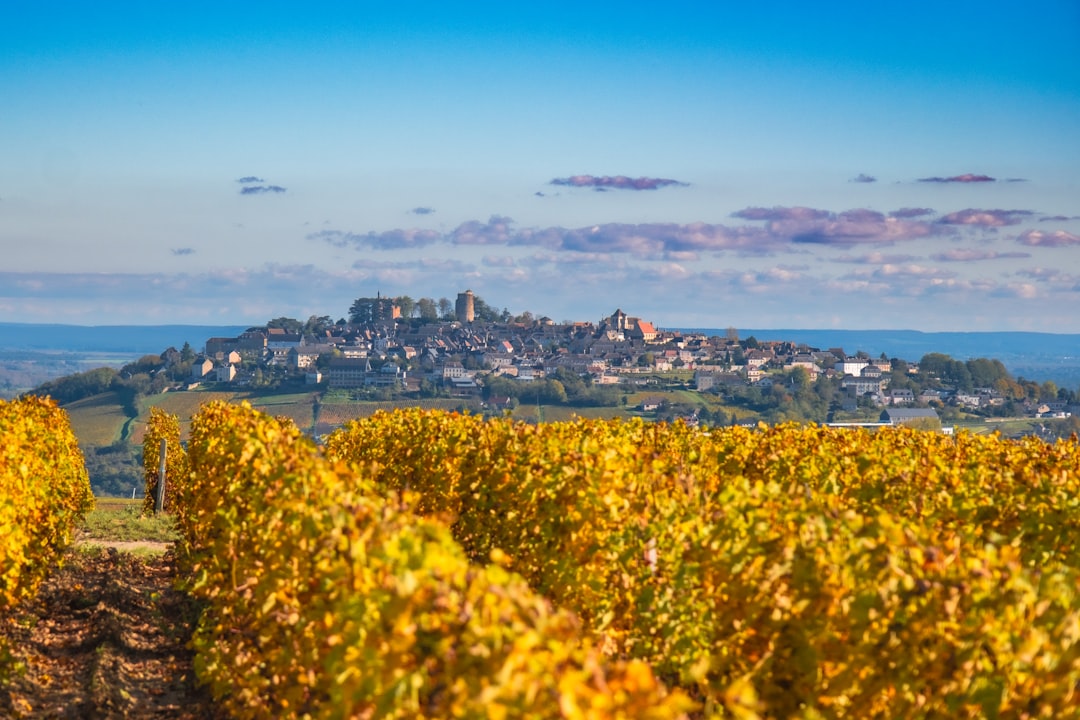
Stretching along the Loire River, this region offers incredible diversity in both wine styles and grape varieties. From the crisp Sauvignon Blanc of Sancerre to the sweet dessert wines of Coteaux du Layon, the Loire Valley provides excellent value and approachable wines perfect for newcomers to French wine.
Rhône Valley: Power and Tradition
Divided into Northern and Southern Rhône, this region produces bold, powerful red wines primarily from Syrah in the north and Grenache-based blends in the south. The steep terraced vineyards of Hermitage and Côte-Rôtie in the Northern Rhône contrast with the broader, warmer landscape of Châteauneuf-du-Pape in the south.
Essential Wine Tasting Etiquette and Techniques
Proper wine tasting etiquette in France reflects centuries of tradition and respect for the winemaker’s craft. Understanding these protocols will enhance your experience and demonstrate cultural awareness during your visits.
The Five-Step Tasting Process
French wine tasting follows a systematic approach that engages all your senses:
- Look (Regarder): Examine the wine’s color, clarity, and intensity against a white background
- Swirl (Tourner): Gently rotate the glass to release aromatic compounds
- Smell (Sentir): Take short, deliberate sniffs to identify primary, secondary, and tertiary aromas
- Taste (Goûter): Take a small sip and let the wine coat your palate
- Evaluate (Évaluer): Consider the wine’s balance, length, and overall impression
Proper Glass Handling
Always hold wine glasses by the stem to avoid warming the wine with your body heat and leaving fingerprints on the bowl. This practice is particularly important for white wines and sparkling wines served at cooler temperatures.
Tasting Room Protocol
When visiting French wineries and tasting rooms, observe these important guidelines:
- Make appointments: Many premium wineries require advance reservations
- Dress appropriately: Business casual attire shows respect for the establishment
- Ask questions: Winemakers and staff appreciate genuine interest in their craft
- Pace yourself: Limit tastings to 6-8 wines to maintain palate sensitivity
- Use the spittoon: It’s perfectly acceptable and expected to spit when tasting multiple wines
Seasonal Considerations for Wine Tourism
Timing your French wine adventure strategically can significantly impact your experience, from weather conditions to harvest activities and tourist crowds.
Spring (March-May): Awakening Vineyards
Spring offers mild weather and budding vines, making it an excellent time for vineyard walks and outdoor tastings. The tourist season hasn’t fully begun, allowing for more intimate winery experiences and better availability for appointments.
Advantages of spring visits:
- Comfortable temperatures for walking tours
- Lower accommodation costs
- Fewer crowds at popular destinations
- Beautiful countryside scenery
Summer (June-August): Peak Season
Summer represents peak tourist season with long days, warm weather, and fully developed vine foliage. However, this period also brings crowds, higher prices, and the need for advance planning.
Harvest Season (September-October): The Magic of Vendange
Harvest season, or vendange, offers the most authentic wine country experience. Witnessing the grape picking, crushing, and initial fermentation processes provides unparalleled insight into winemaking. Many wineries offer harvest participation opportunities for visitors.
Winter (November-February): Intimate Tastings
Winter wine tourism offers intimate cellar visits, cozy tasting rooms, and opportunities to taste older vintages. While vineyard views may be less spectacular, the focus shifts to understanding winemaking techniques and cellar aging processes.
Planning Your French Wine Itinerary
Successful wine tourism requires careful planning to maximize your experience while maintaining reasonable expectations and budgets.
Duration and Focus
For first-time visitors, focusing on 2-3 regions over 7-10 days provides adequate time to understand regional characteristics without rushing. Attempting to cover all major wine regions in a single trip often results in superficial experiences and palate fatigue.
Transportation Options
Consider these transportation methods for wine country exploration:
- Rental Car: Provides maximum flexibility but requires a designated driver
- Private Driver/Guide: Expensive but offers local expertise and safety
- Wine Tours: Cost-effective group experiences with professional guides
- Bicycle Tours: Eco-friendly and increasingly popular in regions like Loire Valley
- Train and Local Transport: Feasible in regions with good public transportation
Accommodation Strategies
Your accommodation choice significantly impacts your wine tourism experience:
- Château Hotels: Luxury properties often located within wine estates
- Village Centers: Convenient for walking to multiple tasting rooms
- Farm Stays: Authentic rural experiences with local wine pairings
- Regional Capitals: Bordeaux, Reims, or Beaune offer cultural attractions alongside wine experiences
Budget Considerations and Cost Management
French wine tourism can accommodate various budget levels, from affordable regional wines to exclusive grand cru experiences.
Tasting Fees and Expectations
Most French wineries charge tasting fees ranging from €5-30 per person, with premium estates commanding higher prices. These fees typically include:
- Guided tasting of 4-6 wines
- Educational information about the region and winery
- Professional tasting glasses
- Often, the fee is waived with purchase
Wine Purchasing and Shipping
Consider these factors when purchasing French wines:
- Cellar direct prices: Often 20-30% less than retail
- Shipping costs: Can be substantial for international delivery
- Customs regulations: Understand your country’s import limits
- Storage considerations: Proper storage is crucial for fine wines
Cultural Nuances and Local Customs
Understanding French wine culture enhances your interactions with winemakers and fellow enthusiasts while showing respect for local traditions.
Language Considerations
While many wine professionals speak English, learning basic French wine terminology demonstrates respect and enhances communication:
- Dégustation: Tasting
- Millésime: Vintage
- Terroir: The complete environment affecting wine character
- Assemblage: Blending
- Cave: Cellar or wine shop
Meal Pairing Traditions
French wine culture emphasizes food and wine harmony. Understanding regional pairing traditions enhances your appreciation:
- Burgundy: Perfect with local Charolais beef and Époisses cheese
- Bordeaux: Excellent with lamb, duck, and aged cheeses
- Loire Valley: Ideal with goat cheese, river fish, and charcuterie
- Champagne: Versatile with oysters, caviar, and light appetizers
Health and Safety Considerations
Responsible wine tasting ensures both safety and maximum enjoyment of your French wine experience.
Pace and Moderation
Professional wine tasting emphasizes evaluation over consumption. Follow these guidelines:
- Limit daily tastings to 2-3 wineries
- Eat substantial meals before and between tastings
- Stay hydrated with water throughout the day
- Use spittoons during formal tastings
- Designate a non-drinking driver or use alternative transportation
Physical Considerations
Wine tourism often involves significant walking, particularly in vineyard settings. Prepare accordingly:
- Wear comfortable, closed-toe shoes suitable for uneven terrain
- Bring weather-appropriate clothing for outdoor activities
- Consider mobility limitations when booking cellar tours
- Stay aware of altitude changes in hillside vineyards
Making the Most of Your Experience
Transform your French wine journey from simple tourism to meaningful cultural education with these advanced strategies.
Educational Preparation
Enhance your experience through pre-trip preparation:
- Read about your chosen regions’ history and characteristics
- Practice basic wine tasting techniques at home
- Understand the French appellation system
- Research specific wineries and their signature wines
Documentation and Memories
Preserve your wine experiences for future reference:
- Keep detailed tasting notes with wine names, vintages, and impressions
- Photograph wine labels for future reference
- Collect business cards from memorable wineries
- Consider wine journal apps for organized record-keeping
Building Relationships
French winemakers value genuine interest and respect for their craft. Building authentic relationships can lead to:
- Invitations to special events and private tastings
- Access to limited production wines
- Ongoing wine purchase opportunities
- Deeper understanding of winemaking philosophy
Beyond the Tasting Room: Cultural Integration
French wine culture extends far beyond winery visits, encompassing local markets, restaurants, and cultural attractions that provide context for your wine education.
Local Markets and Producers
Weekly markets in wine regions offer opportunities to meet local producers, taste artisanal foods that pair with regional wines, and experience authentic French culture. Many winemakers sell directly at these markets, providing informal tasting opportunities.
Wine Museums and Educational Centers
Several regions feature excellent wine museums that provide historical context and technical education:
- Cité du Vin, Bordeaux: Interactive wine civilization museum
- Musée du Vin, Paris: Wine history and culture in historic cellars
- Maison des Vins, Various regions: Regional wine information centers
Conclusion: Embracing the French Wine Journey
Wine tasting in France represents far more than sampling different beverages—it’s an immersive cultural experience that connects you with centuries of tradition, craftsmanship, and terroir expression. By understanding regional characteristics, respecting local customs, and approaching each tasting with genuine curiosity and appreciation, you’ll develop a deeper connection to French wine culture that extends far beyond your visit.
Remember that wine appreciation is a lifelong journey, and your French wine adventure serves as an educational foundation for continued exploration and enjoyment. Whether you’re savoring a simple Côtes du Rhône with a picnic lunch or experiencing a grand cru Burgundy in an ancient cellar, each moment contributes to your understanding and appreciation of France’s incomparable wine heritage.
Prepare thoughtfully, taste mindfully, and embrace the opportunity to connect with passionate winemakers who are eager to share their knowledge and traditions. Your French wine journey awaits, promising memories and discoveries that will enhance your appreciation for fine wine for years to come.