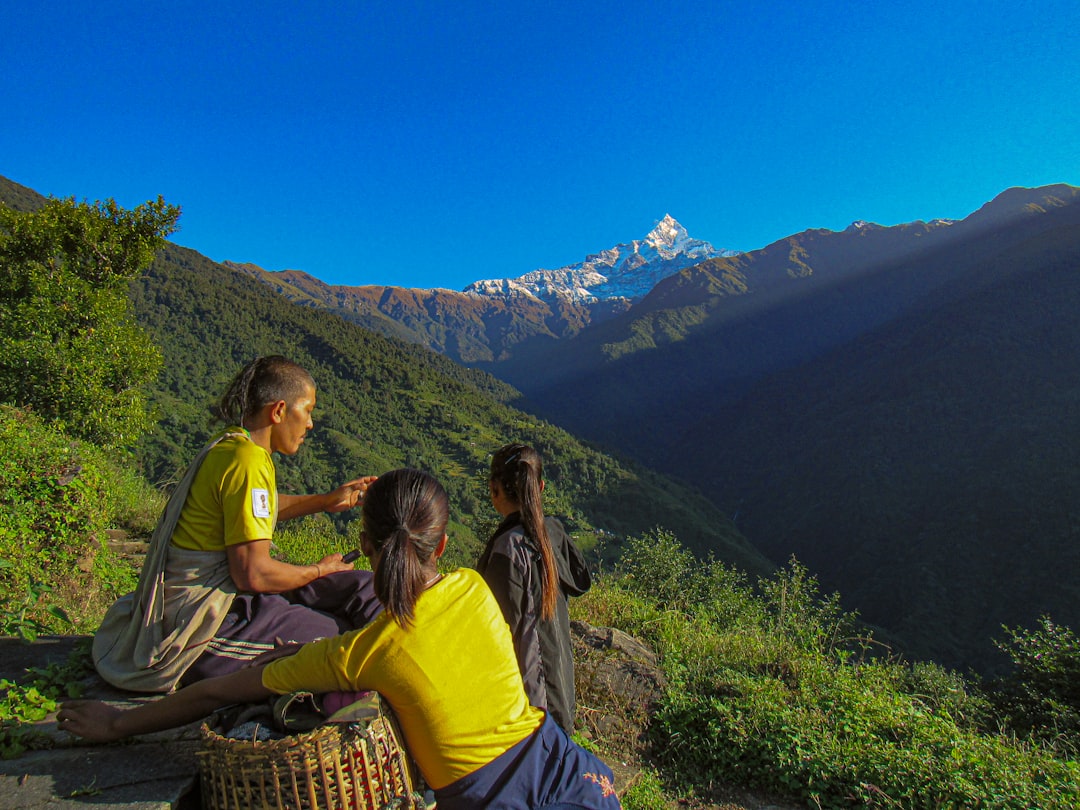
Nepal is one of those magical places that seems almost too good to be true. Where else can you explore ancient temples in the morning, trek through rhododendron forests in the afternoon, and spot Bengal tigers by evening? A well-planned 10-day Nepal tour combines the best of this incredible Himalayan nation – its rich culture, breathtaking nature, and heart-pumping adventures all rolled into one unforgettable experience.
Whether you’re a culture enthusiast fascinated by centuries-old traditions, a nature lover seeking pristine mountain views, or an adventure seeker craving your next adrenaline rush, Nepal delivers on all fronts. Let’s dive into the perfect 10-day itinerary that’ll give you a taste of everything this amazing country has to offer.
Why Choose a 10-Day Nepal Adventure?
Here’s the thing about Nepal – you could spend months here and still discover something new every day. But if you’ve got 10 days to work with, you’re in the sweet spot for experiencing the country’s highlights without feeling rushed. This timeframe gives you enough flexibility to immerse yourself in each experience while covering significant ground.
A 10-day tour strikes the perfect balance between depth and breadth. You’ll have time to really connect with local communities, acclimatize properly for higher altitudes, and enjoy those spontaneous moments that make travel truly memorable. Plus, it’s long enough to justify the long-haul flight but short enough to fit into most vacation schedules.
Days 1-3: Kathmandu Valley – Cultural Immersion
Day 1: Arrival and Kathmandu Exploration
Your Nepal adventure kicks off in Kathmandu, a city where ancient and modern collide in the most fascinating ways. After settling into your hotel (pro tip: stay in Thamel for easy access to restaurants and shops), start with Durbar Square. This UNESCO World Heritage site is like stepping into a living museum, with its intricate woodcarvings and pagoda-style temples that have stood for centuries.
Don’t miss the Kumari Ghar, home to Nepal’s living goddess. If you’re lucky, you might catch a glimpse of the Kumari herself during one of her rare public appearances. End your first day at Freak Street, the legendary hippie hangout from the 1960s that’s now a charming area filled with cafes and guesthouses.
Day 2: Swayambhunath and Pashupatinath
Start early at Swayambhunath Stupa (aka the Monkey Temple) to catch the sunrise over the Kathmandu Valley. The 365 steps to reach the top are worth every one – the panoramic views are absolutely stunning. Watch out for the playful monkeys, but don’t let them snatch your snacks!
In the afternoon, visit Pashupatinath Temple, one of the most sacred Hindu temples in the world. Located on the banks of the holy Bagmati River, this is where you’ll witness the profound spiritual practices of Hinduism, including traditional cremation ceremonies. It’s a deeply moving experience that offers insight into Nepal’s spiritual heart.
Day 3: Bhaktapur and Patan
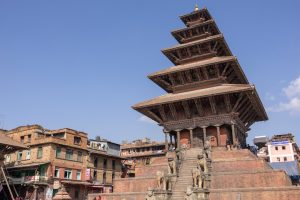
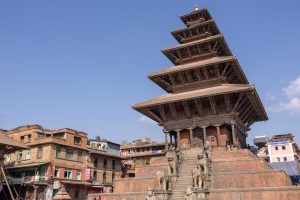
Dedicate your third day to exploring the other two major cities in the Kathmandu Valley. Bhaktapur feels like a medieval time capsule with its well-preserved architecture and traditional pottery workshops. Don’t leave without trying the famous juju dhau (king curd) – it’s incredibly delicious!
In the afternoon, head to Patan, known for its stunning metalwork and Buddhist heritage. The Patan Museum is absolutely world-class and provides incredible context for understanding Nepalese art and culture.
Days 4-7: Mountain Adventure – Everest Region
Day 4: Flight to Lukla and Trek to Namche Bazaar
This is where things get really exciting! The flight to Lukla is an adventure in itself – it’s consistently ranked as one of the world’s most dangerous airports, but don’t worry, the pilots are incredibly skilled. The 35-minute flight offers spectacular mountain views that’ll get your adrenaline pumping for what’s ahead.
From Lukla (2,840m), begin your trek to Namche Bazaar (3,440m). This 6-8 hour trek takes you through beautiful Sherpa villages and across several suspension bridges decorated with colorful prayer flags. Namche Bazaar, the unofficial capital of the Khumbu region, is where you’ll spend the night in a cozy tea house.
Day 5: Acclimatization Day in Namche Bazaar
Proper acclimatization is crucial for high-altitude trekking, so take this day to explore Namche Bazaar and let your body adjust. Visit the Sherpa Culture Museum to learn about the incredible history of the Sherpa people and their relationship with the mountains.
Take a short hike to the Everest View Hotel for your first glimpse of Mount Everest. The views of Everest, Lhotse, and Ama Dablam are absolutely mind-blowing. If you’re feeling energetic, the Saturday market in Namche is a colorful local experience where Tibetan traders sell everything from yak cheese to traditional crafts.
Day 6: Trek to Tengboche Monastery
Today’s trek to Tengboche (3,867m) is considered one of the most beautiful in the Everest region. The trail takes you through rhododendron and juniper forests with constantly changing mountain vistas. The highlight is reaching Tengboche Monastery, the most important Buddhist monastery in the Khumbu region.
If you time it right, you might witness the evening prayers (puja) performed by the monks – it’s a truly spiritual experience with the backdrop of Everest, Nuptse, and Lhotse towering above you. The monastery also houses an incredible collection of Tibetan Buddhist artifacts and murals.
Day 7: Return Trek and Flight Back to Kathmandu
Begin your descent back to Lukla, retracing your steps through the stunning landscapes you’ve come to love. The return journey gives you a different perspective on the same trails, and you’ll be amazed at how much more you notice on the way down.
Catch your afternoon flight back to Kathmandu, where you can celebrate your mountain adventure with a well-deserved hot shower and comfortable bed. Many trekkers say this is when the achievement really sinks in!
Days 8-10: Nature and Wildlife – Chitwan National Park
Day 8: Journey to Chitwan
After the high-altitude adventure, it’s time to experience Nepal’s lowland treasures. The drive from Kathmandu to Chitwan National Park takes about 5-6 hours through changing landscapes – from mountain valleys to the flat Terai plains.
Chitwan represents a completely different side of Nepal. This UNESCO World Heritage site is home to some of the world’s most endangered species, including the Bengal tiger and one-horned rhinoceros. Check into your jungle lodge and prepare for an evening cultural program featuring traditional Tharu dance performances.
Day 9: Full Day Wildlife Safari
Wake up early for the jungle safari – this is when animals are most active. You have several options: jeep safari, elephant-back safari, or walking safari with experienced guides. Each offers a different perspective on the jungle ecosystem.
Wildlife spotting opportunities include:
- One-horned rhinoceros (you’re almost guaranteed to see these)
- Bengal tigers (rare but possible sightings)
- Leopards, sloth bears, and wild elephants
- Over 500 bird species, including hornbills and kingfishers
- Gharial and mugger crocodiles along the Rapti River
In the afternoon, take a canoe trip down the Rapti River. The peaceful journey offers excellent bird watching opportunities and a good chance to spot crocodiles basking on the riverbanks. End the day with a visit to the elephant breeding center, where you can learn about conservation efforts and see baby elephants up close.
Day 10: Cultural Experience and Departure
Your final day combines cultural immersion with relaxation. Visit a local Tharu village to learn about the indigenous people of the Terai region. The Tharu have adapted uniquely to life in the jungle and have fascinating traditions around living alongside wildlife.
Participate in traditional activities like:
- Tharu cooking classes using local ingredients
- Traditional fishing techniques demonstration
- Handicraft workshops featuring bamboo and grass weaving
- Storytelling sessions about local legends and wildlife folklore
In the afternoon, drive back to Kathmandu for your departure or extend your stay if you’ve caught the Nepal bug (which happens to most visitors!).
Essential Packing Tips for Your 10-Day Nepal Adventure
Packing for Nepal can be tricky since you’ll experience everything from tropical jungles to high-altitude mountains. Here’s what you absolutely need:
Clothing Essentials
- Layered clothing system: Base layers, insulating layers, and waterproof outer shells
- Sturdy trekking boots: Break them in before your trip!
- Warm hat and sun hat: Temperature extremes require both
- Quality sunglasses: UV protection is crucial at high altitudes
- Light cotton clothes: For Kathmandu and Chitwan’s warmer climate
Gear and Accessories
- High-SPF sunscreen (the mountain sun is intense)
- Water purification tablets or portable filter
- Headlamp with extra batteries
- Power bank for charging devices
- First aid kit with altitude sickness medication
Best Time to Visit Nepal for This Itinerary
The timing of your Nepal adventure can make or break the experience. The best months for this combined itinerary are October-November and March-May.
October-November (Post-monsoon):
- Crystal clear mountain views
- Excellent wildlife viewing in Chitwan
- Comfortable temperatures for trekking
- Lower humidity levels
March-May (Pre-monsoon):
- Rhododendrons in full bloom in the mountains
- Good visibility for mountain flights
- Active wildlife before monsoon hits
- Warmer temperatures at higher altitudes
Avoid the monsoon season (June-September) as flights to Lukla are frequently cancelled, trekking trails become muddy and leeches are prevalent, and wildlife viewing in Chitwan is more challenging due to tall grass.
Cultural Etiquette and Responsible Tourism
Nepal’s cultural richness comes with the responsibility to travel respectfully. Here are some important guidelines:
Temple and Monastery Etiquette
- Remove shoes before entering any religious site
- Don’t point your feet toward religious objects or people
- Ask permission before photographing people or religious ceremonies
- Dress modestly – cover shoulders and knees
- Walk clockwise around stupas and chortens
Trekking Responsibly
- Support local tea houses and guides
- Carry out all non-biodegradable waste
- Use refillable water bottles instead of buying plastic
- Respect wildlife and maintain safe distances
- Learn basic Nepali phrases – locals appreciate the effort!
Budget Considerations and Money-Saving Tips
A 10-day Nepal tour can range from budget-friendly to luxury, depending on your choices. Here’s a realistic breakdown:
Budget Range (per person)
- Budget travel: $800-1,200 (tea house accommodation, local transport)
- Mid-range: $1,500-2,500 (comfortable hotels, some guided activities)
- Luxury: $3,000+ (premium lodges, private guides, helicopter flights)
Money-Saving Tips
- Book flights to Lukla through local agencies for better prices
- Eat dal bhat (traditional Nepali meal) – it’s nutritious, filling, and affordable
- Stay in tea houses during trekking instead of luxury lodges
- Join group tours for activities like jungle safaris
- Use local buses instead of private transport when possible
Health and Safety Considerations
While Nepal is generally safe for tourists, being prepared is essential:
Health Preparations
- Get vaccinations for Hepatitis A, Hepatitis B, and Typhoid
- Consider Japanese Encephalitis vaccination if visiting during monsoon
- Pack altitude sickness medication (Diamox)
- Bring comprehensive travel insurance that covers high-altitude trekking
- Drink only bottled or purified water
Safety Tips
- Always trek with a guide or porter for safety
- Inform someone about your trekking plans
- Keep copies of important documents in separate locations
- Register with your embassy if staying for extended periods
- Be cautious of altitude sickness symptoms
Making the Most of Your Nepal Adventure
Beyond the planned itinerary, some of the best Nepal experiences happen spontaneously. Here are ways to enhance your journey:
- Learn basic Nepali phrases: “Namaste,” “dhanyabad” (thank you), and “mitho chha” (it’s delicious) go a long way
- Try local cuisine: Beyond dal bhat, sample momos, gundruk, and sel roti
- Engage with locals: Nepali people are incredibly friendly and love sharing their culture
- Be flexible: Weather and road conditions can change plans – embrace it as part of the adventure
- Document responsibly: Take photos that capture memories without disrupting local life
Extending Your Nepal Experience
If you fall in love with Nepal (and you probably will), consider these add-on experiences:
- Annapurna Circuit: A longer trekking adventure
- Lumbini: Buddha’s birthplace for spiritual exploration
- Pokhara: Lakeside relaxation with mountain views
- Upper Mustang: The forbidden kingdom experience
- Bardiya National Park: Alternative wildlife destination with different species
Conclusion: Your Nepal Adventure Awaits
A 10-day Nepal tour combining culture, nature, and adventure isn’t just a vacation – it’s a transformative experience that’ll stay with you forever. From the spiritual energy of ancient temples to the raw beauty of the Himalayas and the wild excitement of jungle safaris, Nepal offers a diversity of experiences that few countries can match.
The beauty of this itinerary is its balance. You’ll return home with stories of sunrise over Everest, encounters with endangered wildlife, and connections with some of the world’s most hospitable people. You’ll have pushed your physical limits on mountain trails and found inner peace in monastery courtyards.
Nepal has a way of changing people – most visitors leave planning their return trip before they’ve even reached the airport. The combination of natural beauty, cultural richness, and genuine human warmth creates an addictive travel experience.
So pack your sense of adventure, bring an open mind, and prepare for 10 days that might just redefine what travel means to you. Nepal is waiting, and trust me, it’s going to be absolutely incredible.
Ready to start planning your Nepal adventure? The mountains, temples, and jungles are calling – and this could be the beginning of your most unforgettable journey yet!