
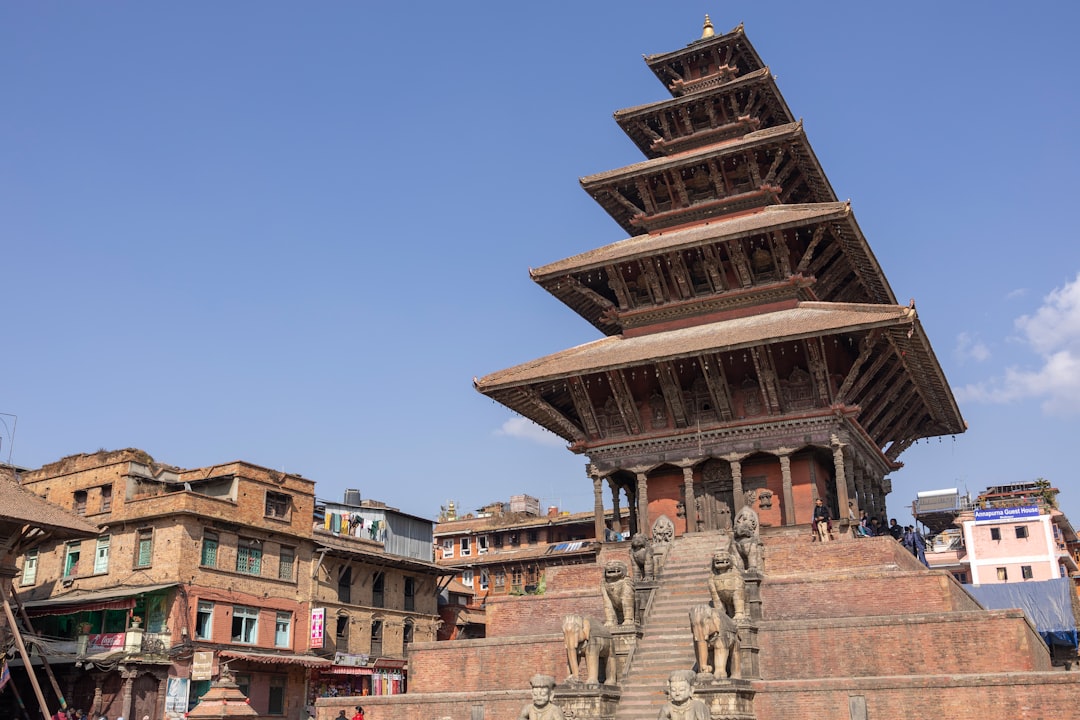
So you’ve decided to visit Nepal – congratulations! You’re in for one of the most incredible travel experiences of your life. This small landlocked country nestled between China and India is home to eight of the world’s fourteen highest peaks, including Mount Everest, and offers everything from ancient temples to bustling markets, friendly locals to breathtaking mountain views.
But let’s be real – Nepal isn’t your typical beach vacation destination. It’s a country that rewards the prepared traveler and can challenge those who arrive without doing their homework. Don’t worry though, I’ve got you covered with everything you need to know before taking that first step into the land of the Himalayas.
Table of Contents
Getting There: Visa Requirements and Entry Points
First things first – you’re going to need a visa to enter Nepal (unless you’re from India). The good news? Nepal makes it pretty easy for tourists to get one.
Tourist Visa Options
You have a few options for getting your tourist visa:
- Visa on Arrival: Available at Tribhuvan International Airport in Kathmandu and several land border crossings. You’ll need a passport with at least 6 months validity, a passport photo, and cash (USD or other major currencies)
- Online e-Visa: Apply online before your trip through the Department of Immigration’s website. Super convenient and saves time at the airport
- Embassy/Consulate: Get your visa from a Nepalese embassy or consulate in your home country
Visa costs (as of 2026):
- 15 days: $30 USD
- 30 days: $50 USD
- 90 days: $125 USD
Pro tip: Bring exact change in USD – they often don’t have change for larger bills, and you’ll get a better exchange rate than using other currencies.
Main Entry Points
Most first-time visitors fly into Tribhuvan International Airport (KTM) in Kathmandu. It’s not the most modern airport you’ll ever see, but it gets the job done. If you’re coming overland from India, popular border crossings include Sunauli-Bhairahawa and Kakarbhitta.
When to Visit: Timing Your Nepal Adventure
Nepal’s weather can make or break your trip, so timing is everything. The country has five distinct seasons, but let’s focus on when you actually want to be there.
Best Times to Visit
October to November (Autumn): This is peak season for a reason. Clear skies, excellent mountain visibility, comfortable temperatures, and stable weather make this the golden time for trekking and sightseeing.
March to May (Spring): Another fantastic time to visit. Rhododendrons are blooming, weather is warming up, and visibility is generally good. It gets progressively hotter and hazier as you approach June.
Times to Avoid (Or Be Prepared For)
June to September (Monsoon): Heavy rains, leeches on trails, cloudy mountain views, and potential flight delays. However, it’s also green and lush, with fewer crowds and lower prices.
December to February (Winter): Cold temperatures, especially at altitude, but crystal-clear mountain views. Great for lower-altitude activities and cultural tours in Kathmandu valley.
Money Matters: Currency and Costs
Let’s talk about the practical stuff – money. Nepal uses the Nepalese Rupee (NPR), and understanding the local economy will help you budget properly.
Currency Exchange
The US Dollar is king in Nepal. Bring clean, newer bills (post-2006) as older or damaged bills are often rejected. You can exchange money at:
- Licensed money changers (better rates than banks)
- Banks (slower but official)
- Hotels (convenient but poor rates)
Important: Keep your exchange receipts – you’ll need them to exchange leftover rupees back to foreign currency when leaving.
ATMs and Credit Cards
ATMs are widely available in Kathmandu, Pokhara, and other major towns, but don’t count on them in remote areas. Credit cards are accepted at upscale hotels and restaurants, but Nepal is still largely a cash economy.
Daily Budget Expectations
Nepal can be incredibly budget-friendly or surprisingly expensive, depending on your travel style:
- Budget traveler: $15-25 per day (guesthouses, local food, public transport)
- Mid-range traveler: $40-80 per day (decent hotels, mix of local and tourist restaurants, some guided activities)
- Luxury traveler: $100+ per day (high-end accommodations, private guides, helicopter tours)
Health and Safety: Staying Healthy in the Himalayas
Nepal’s unique geography and developing infrastructure mean health and safety require some extra attention.
Altitude Sickness: The Silent Trip Killer
Even Kathmandu sits at 4,600 feet above sea level, and many popular destinations are much higher. Altitude sickness is real and can be serious. Here’s what you need to know:
- Symptoms: Headaches, nausea, fatigue, loss of appetite, difficulty sleeping
- Prevention: Ascend gradually, stay hydrated, avoid alcohol, listen to your body
- Treatment: Rest, descend if symptoms worsen, seek medical help for severe cases
Don’t be a hero – altitude sickness doesn’t discriminate based on fitness level or age.
Required and Recommended Vaccinations
Visit a travel medicine clinic 4-6 weeks before your trip. Generally recommended vaccinations include:
- Routine vaccines (MMR, DPT, flu, COVID-19)
- Hepatitis A and B
- Japanese Encephalitis (for certain areas and seasons)
- Typhoid
- Consider malaria prophylaxis for Terai region visits
Water and Food Safety
The golden rule: if you can’t peel it, boil it, or cook it – don’t eat it. Stick to bottled or properly purified water, and be cautious with street food until your stomach adjusts.
Cultural Etiquette: Respecting Local Customs
Nepalis are incredibly welcoming, but showing respect for their culture will enhance your experience immeasurably.
Religious Considerations
Nepal is predominantly Hindu with a significant Buddhist population. Key points:
- Remove shoes before entering temples and homes
- Don’t point your feet toward people or religious objects
- Ask permission before photographing people or religious sites
- Dress modestly, especially when visiting religious sites
Social Interactions
Greetings: “Namaste” with palms pressed together is universal and appreciated. It literally means “the divine in me honors the divine in you” – pretty beautiful, right?
Personal space: Nepalis are generally more conservative about physical contact, especially between opposite sexes. A handshake is fine for business, but let locals initiate.
Gift giving: If invited to someone’s home, bringing fruit, sweets, or small gifts for children is appreciated.
Transportation: Getting Around Nepal
Getting from point A to point B in Nepal can be an adventure in itself. Here’s what to expect:
Domestic Flights
For reaching remote areas like Lukla (Everest region) or saving time, domestic flights are essential. However:
- Weather delays are common
- Weight limits are strict (15-20kg including hand luggage)
- Book with reputable airlines
- Always have backup plans
Road Transportation
Tourist buses: More comfortable and reliable than local buses, running routes between major tourist destinations.
Private vehicles: More expensive but flexible and comfortable. Great for families or small groups.
Local buses: Cheap, colorful, crowded, and an authentic experience. Not for everyone, but definitely memorable!
Road conditions: Let’s be honest – Nepalese roads can be rough. Expect winding mountain roads, potholes, and occasional landslides during monsoon season.
Accommodation: Where to Rest Your Head
Nepal offers accommodation for every budget and comfort level.
Types of Accommodation
Guesthouses/Lodges: Basic but clean accommodation, especially common on trekking routes. Shared bathrooms are normal, and hot water might be limited.
Hotels: From budget to luxury options in major cities. International chains are present in Kathmandu and Pokhara.
Homestays: Live with local families for an authentic cultural experience. Great way to learn about daily life and customs.
Booking Tips
During peak season (October-November, March-May), book accommodations in advance, especially in popular areas like Kathmandu, Pokhara, and Chitwan. For trekking routes, booking ahead isn’t always necessary, but it doesn’t hurt.
What to Pack: Essential Items for Nepal
Packing for Nepal requires some strategic thinking due to the diverse climate zones and activities.
Clothing Essentials
- Layering system: Base layers, insulating layers, and waterproof outer layers
- Comfortable walking shoes: Broken-in hiking boots if trekking
- Warm jacket: Even if visiting in warmer months – mountain evenings get cold
- Sun hat and warm hat
- Modest clothing: Long pants and shirts for cultural sites
Important Gear and Accessories
- Quality sunglasses and high SPF sunscreen (mountain sun is intense)
- Headlamp or flashlight (power outages are common)
- Power bank and universal adapter
- Water purification tablets or UV sterilizer
- Basic first aid kit
- Altitude sickness medication (consult your doctor)
Language and Communication
The official language is Nepali, but English is widely spoken in tourist areas. Learning a few basic Nepali phrases will earn you smiles and friends:
- Namaste – Hello/Goodbye
- Dhanyabad – Thank you
- Maaf garnuhos – Excuse me/Sorry
- Kati ho? – How much?
- Paani – Water
Internet and Phone Service
WiFi is available in most hotels and restaurants in tourist areas, though speeds can be slow. For reliable internet, consider buying a local SIM card from Ncell or Nepal Telecom.
Must-Visit Destinations for First-Timers
With limited time, focus on these highlights:
Kathmandu Valley
The cultural heart of Nepal with UNESCO World Heritage sites like Durbar Square, Swayambhunath (Monkey Temple), and Pashupatinath Temple.
Pokhara
Gateway to the Annapurna region with beautiful lakes, mountain views, and adventure activities. Perfect for both relaxation and adventure.
Chitwan National Park
Your best chance to see rhinos, tigers, and diverse wildlife. A complete contrast to the mountains.
Short Trekking Options
Even if you’re not planning a major trek, consider short hikes like:
- Nagarkot for sunrise views
- Sarangkot near Pokhara
- Short Annapurna Circuit sections
Final Tips for Nepal First-Timers
Embrace flexibility: Things don’t always go according to plan in Nepal. Flight delays, road blockages, and weather changes are part of the adventure.
Bargain respectfully: Haggling is expected in markets, but remember that a few dollars means more to local vendors than it does to you.
Try the food: Dal bhat (lentils and rice) is the national dish, and momo (dumplings) are addictive. Local food is delicious and budget-friendly.
Hire local guides: Supporting local guides and porters helps the community and enhances your experience with insider knowledge.
Take your time: Nepal rewards slow travel. Don’t try to cram everything into a short trip – it’s better to see less and experience more.
Nepal is a country that will challenge you, inspire you, and probably change you a little bit. It’s not always easy, but the rewards – stunning mountain views, incredible cultural experiences, and the warmth of Nepalese hospitality – make every challenge worthwhile.
Take time to prepare properly, stay flexible, and most importantly, keep an open mind. Your first trip to Nepal is just the beginning – most people start planning their return visit before they even leave! Safe travels, and enjoy every moment of your Himalayan adventure.
