
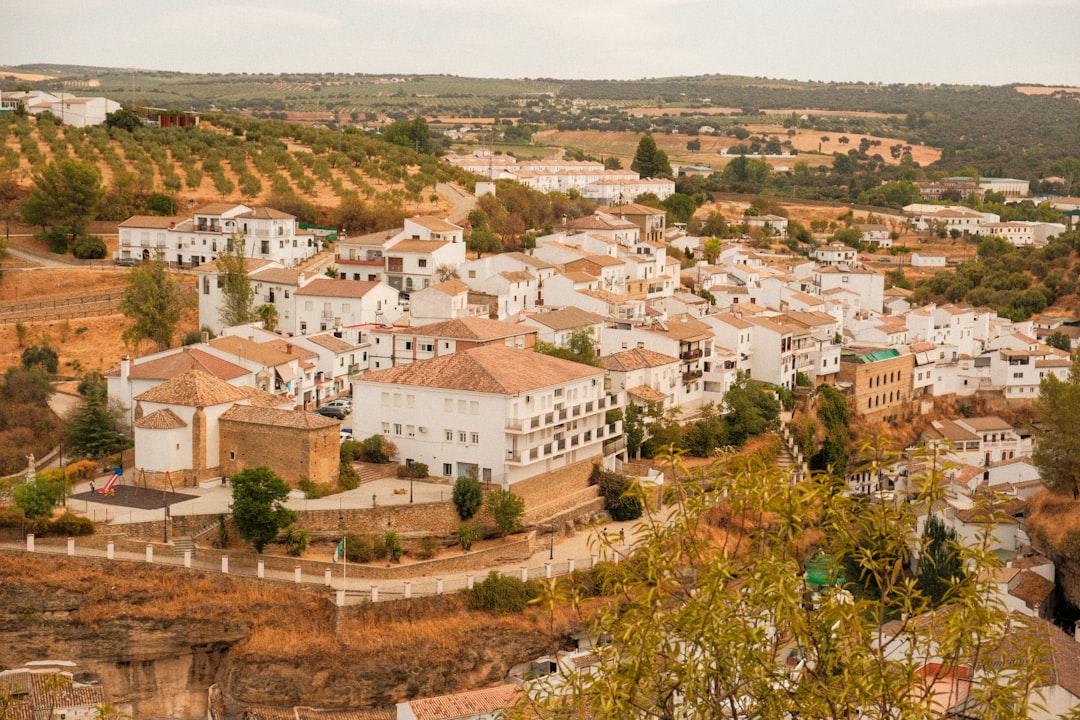
While millions of tourists flock to Barcelona, Madrid, and Seville each year, Spain harbors countless hidden treasures waiting to be discovered. Beyond the well-trodden tourist paths lie extraordinary destinations that showcase the country’s authentic culture, stunning landscapes, and rich history without the crowds. These secret gems offer travelers the chance to experience the real Spain – from medieval villages frozen in time to pristine beaches untouched by mass tourism.
In this comprehensive guide, we’ll unveil 15 of Spain’s most spectacular hidden destinations that promise unforgettable experiences and Instagram-worthy moments. Whether you’re seeking coastal paradises, mountain retreats, or cultural immersion, these lesser-known locations will transform your Spanish adventure into something truly extraordinary.
Why Explore Spain’s Hidden Gems?
Spain’s hidden gems offer several compelling advantages over mainstream tourist destinations:
- Authentic experiences: Interact with locals who rarely encounter tourists and experience genuine Spanish culture
- Better value: Enjoy lower prices for accommodation, dining, and activities
- Smaller crowds: Explore magnificent sites without fighting for photo opportunities
- Unique discoveries: Find places that few travelers have experienced
- Cultural immersion: Witness traditional customs and festivals in their natural settings
Northern Spain’s Secret Treasures
1. Cudillero, Asturias
Nestled along Asturias’ rugged coastline, Cudillero resembles a colorful amphitheater cascading down steep cliffs to a picturesque harbor. This former whaling village features houses painted in vibrant blues, yellows, and reds that create a stunning contrast against the emerald waters of the Cantabrian Sea.
The village’s narrow cobblestone streets wind between traditional Asturian architecture, leading to the bustling fishing port where local fishermen still bring in their daily catch. Visit the lighthouse for panoramic coastal views, sample fresh seafood at waterfront restaurants, and explore nearby beaches like Playa del Silencio – one of Spain’s most beautiful hidden beaches.
2. Santillana del Mar, Cantabria
Often called the “Town of Three Lies” (it’s neither holy, flat, nor by the sea), Santillana del Mar is a perfectly preserved medieval village that transports visitors back to the 15th century. Cobblestone streets, ancient stone houses with carved escutcheons, and flower-filled balconies create an enchanting atmosphere.
The crown jewel is the Romanesque Collegiate Church of Santa Juliana, dating from the 12th century. Don’t miss the nearby Altamira Caves, featuring some of Europe’s finest prehistoric cave paintings. The village also serves excellent Cantabrian cuisine, including cocido montañés (mountain stew) and quesada pasiega (local cheesecake).
3. Taramundi, Asturias
Hidden in the mountains near the Galician border, Taramundi offers a glimpse into traditional Spanish rural life. This small village is famous for its knife-making tradition, with local artisans crafting beautiful blades using centuries-old techniques. The surrounding landscape features pristine forests, crystal-clear rivers, and traditional hórreos (raised granaries).
Outdoor enthusiasts can enjoy hiking trails that lead to waterfalls, ancient mills, and panoramic viewpoints. The village also hosts an annual knife festival where visitors can watch master craftsmen at work and purchase unique handmade souvenirs.
Eastern Spain’s Coastal Secrets
4. Calpe’s Hidden Coves, Valencia
While Calpe itself attracts some visitors, few discover the hidden coves surrounding the dramatic Peñón de Ifach rock formation. Cala Racó and Cala dels Bassots offer pristine waters and secluded beaches perfect for swimming and snorkeling. These small coves provide an intimate alternative to the main beaches, with crystal-clear waters and stunning rock formations.
The area around Ifach Natural Park contains several hiking trails leading to secret viewpoints and hidden beaches accessible only on foot. Pack a picnic and spend the day exploring these pristine coastal hideaways.
5. Xàbia’s Cala Granadella, Valencia
Tucked away on the Costa Blanca, Cala Granadella near Xàbia (Javea) consistently ranks among Spain’s most beautiful beaches yet remains relatively unknown to international tourists. This small pebble beach is surrounded by pine forests and dramatic cliffs, creating a protected cove with incredibly clear turquoise waters.
The beach offers excellent snorkeling opportunities, with underwater caves and rich marine life. A beach bar serves refreshments, but arriving early ensures the best spots. The surrounding area features hiking trails with spectacular coastal views and hidden archaeological sites.
6. Mondoñedo, Galicia
This ancient cathedral city in Galicia’s interior showcases magnificent religious architecture away from coastal crowds. Mondoñedo’s impressive 13th-century cathedral features beautiful rose windows and houses important religious artifacts. The historic quarter contains well-preserved medieval streets, traditional Galician architecture, and charming squares.
The city serves as an excellent base for exploring the surrounding countryside, including the Serra do Xistral mountains and traditional Galician villages where Celtic heritage remains strong.
Central Spain’s Mountain Hideaways
7. Pedraza, Segovia
This perfectly preserved medieval village sits atop a hill in Castile and León, surrounded by ancient walls and accessed through a single gate. Pedraza’s Plaza Mayor, paved with stones and surrounded by traditional Castilian houses with wooden balconies, creates one of Spain’s most atmospheric squares.
The village hosts the famous Candle Concert in July, when the entire town is illuminated only by candlelight while classical music fills the air. The medieval castle, now a museum, offers insights into the area’s turbulent history. Local restaurants serve exceptional roast lamb, a regional specialty.
8. Valle del Jerte, Extremadura
Hidden in Extremadura’s mountains, the Valle del Jerte transforms into a spectacular white wonderland each spring when over two million cherry trees bloom simultaneously. This natural phenomenon, known as “La Floración,” typically occurs in late March or early April, creating a breathtaking landscape that rivals Japan’s famous cherry blossoms.
Beyond the spring spectacle, the valley offers excellent hiking opportunities, traditional mountain villages like Cabezuela del Valle and Jerte, and local specialties including cherry liqueur and mountain goat cheese. Natural swimming pools called “pilones” provide refreshing summer retreats.
9. La Alberca, Salamanca
Declared Spain’s first historic-artistic monument, La Alberca showcases traditional Castilian mountain architecture with half-timbered houses, carved wooden balconies, and flower-filled streets. This village in the Sierra de Francia maintains centuries-old traditions, including unique festivals and customs.
The surrounding Las Batuecas-Sierra de Francia Natural Park offers hiking trails, ancient oak forests, and traditional villages where time seems to have stopped. Local specialties include hornazo (meat pie), farinato sausage, and excellent wines from the nearby Sierra de Salamanca region.
Southern Spain’s Secret Paradises
10. Ronda’s Hidden Neighborhoods, Andalusia
While Ronda’s dramatic bridge attracts many visitors, few explore the hidden neighborhoods of San Francisco and El Barrio, where traditional Andalusian life continues unchanged. These areas feature whitewashed houses with flower-filled patios, narrow streets perfect for wandering, and local tavernas serving authentic tapas.
The Alameda del Tajo park offers spectacular gorge views without crowds, while the Arab Baths provide insight into the city’s Moorish heritage. Secret viewpoints along the rim of the Tajo Gorge offer dramatic photography opportunities.
11. Cabo de Gata Natural Park, Almería
Spain’s largest coastal protected area remains remarkably undeveloped, featuring volcanic landscapes, pristine beaches, and traditional fishing villages. Cabo de Gata offers some of Europe’s most unspoiled Mediterranean coastline, with hidden coves like Playa de los Muertos and Cala de Enmedio accessible only by foot.
The park’s unique desert landscape resembles the American Southwest, with cactus gardens, salt flats, and dramatic cliff formations. Traditional fishing villages like Isleta del Moro and La Isleta preserve authentic Andalusian coastal culture.
12. Frigiliana, Málaga
This incredibly picturesque white village near Nerja cascades down a hillside overlooking the Mediterranean. Frigiliana’s narrow cobblestone streets, whitewashed houses adorned with colorful flower pots, and stunning sea views create one of Andalusia’s most photogenic destinations.
The historic Moorish quarter features ceramic plaques depicting the area’s history, while local shops sell traditional crafts and honey. The village hosts an excellent Three Cultures Festival celebrating its Christian, Moorish, and Jewish heritage.
Island Escapes: Spain’s Secret Islands
13. La Graciosa, Canary Islands
The smallest inhabited Canary Island, La Graciosa remains blissfully undeveloped with no paved roads, traffic lights, or large hotels. This pristine island features stunning white sand beaches, crystal-clear waters, and a laid-back atmosphere that feels like stepping back in time.
Accessible only by ferry from Lanzarote, the island offers excellent hiking, pristine beaches like Playa de las Conchas, and exceptional seafood in the tiny village of Caleta de Sebo. The island’s volcano, Montaña Clara, provides panoramic views of the archipelago.
14. Tabarca Island, Alicante
Spain’s smallest inhabited island, Tabarca lies just off Alicante’s coast but feels worlds away from mainland bustle. This former pirate refuge features crystal-clear waters perfect for snorkeling, a charming walled town, and excellent seafood restaurants specializing in caldero (rice dish with fish).
The island’s underwater marine reserve offers some of the Mediterranean’s best snorkeling and diving, with sea grass meadows and diverse fish populations. The lighthouse provides stunning sunset views over the Mediterranean.
Western Spain’s Cultural Treasures
15. Mérida’s Hidden Roman Sites, Extremadura
While Mérida’s main Roman theatre attracts visitors, the city contains numerous hidden archaeological treasures that most tourists miss. Casa del Mitreo, Casa del Anfiteatro, and the Alcazaba fortress offer fascinating insights into Roman and Moorish history without crowds.
The lesser-known Roman bridge over the Albarregas River, ancient aqueducts, and underground cisterns provide unique exploration opportunities. The city’s excellent tapas scene revolves around local specialties like migas extremeñas and torta del casar cheese.
Planning Your Hidden Gems Adventure
Best Time to Visit
The optimal time for exploring Spain’s hidden gems depends on the region:
- Northern Spain: May to September offers the warmest weather and longest days
- Central Spain: Spring (April-May) and fall (September-October) provide pleasant temperatures
- Southern Spain: Year-round destination, but spring and fall offer comfortable temperatures
- Islands: Shoulder seasons (April-May, September-October) provide perfect weather with fewer crowds
Transportation Tips
Many hidden gems require careful transportation planning:
- Rent a car: Essential for reaching remote villages and hidden beaches
- Use regional trains: Connect major cities to smaller towns
- Local buses: Often the only public transport to remote villages
- Ferry services: Required for island destinations
Accommodation Strategies
Hidden gems often have limited accommodation options:
- Book early: Small villages have few hotels and guesthouses
- Consider casa rurales: Traditional rural houses offer authentic experiences
- Stay in nearby larger towns: Use as a base for day trips to hidden gems
- Embrace local hospitality: Family-run establishments provide insider knowledge
Conclusion: Discover Spain’s Authentic Soul
Spain’s hidden gems offer travelers the opportunity to experience the country’s authentic culture, stunning landscapes, and rich history away from tourist crowds. From medieval villages frozen in time to pristine beaches accessible only by foot, these secret destinations provide unforgettable experiences that showcase Spain’s incredible diversity.
Whether you’re drawn to northern coastal villages, central mountain retreats, southern whitewashed towns, or secluded islands, Spain’s hidden treasures promise adventures that will create lasting memories. Plan your route carefully, embrace the slower pace of life, and prepare to fall in love with the real Spain.
Start planning your hidden gems adventure today and discover why these secret destinations represent the very best of Spanish travel. Your journey to authentic Spain awaits – are you ready to explore beyond the beaten path?


