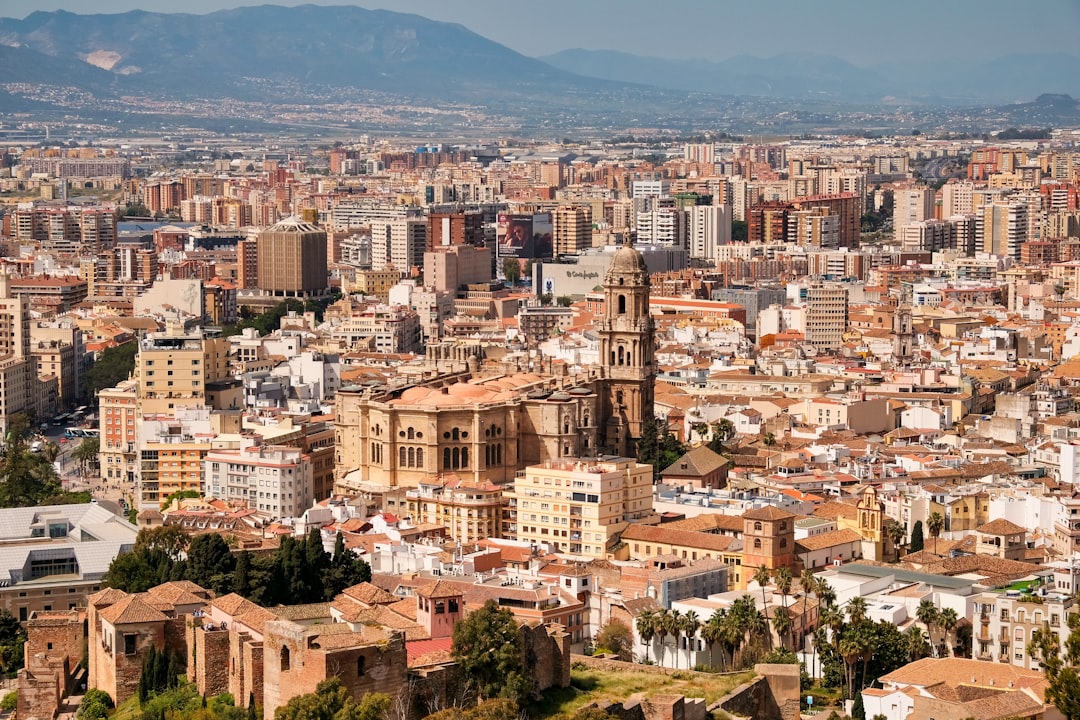
Spain continues to captivate travelers with its remarkable blend of historical grandeur, architectural marvels, and vibrant cultural experiences. As we look ahead to 2026, the country’s most beautiful cities are preparing to welcome visitors with enhanced infrastructure, new attractions, and timeless charm that has made Spain one of Europe’s premier destinations. From the cosmopolitan streets of Barcelona to the Moorish splendor of Granada, each Spanish city offers a unique tapestry of experiences waiting to be discovered.
This comprehensive guide will take you through Spain’s most spectacular cities, providing insights into what makes each destination special, the best times to visit, and what new developments await travelers in 2026. Whether you’re drawn to artistic treasures, culinary delights, or architectural wonders, Spain’s cities offer an unparalleled journey through centuries of rich history and modern innovation.
Barcelona: The Jewel of Catalonia
Barcelona stands as one of Europe’s most captivating cities, seamlessly blending Gothic quarters with modernist masterpieces. The city’s unique character stems from its rich Catalan culture, world-renowned architecture, and vibrant Mediterranean lifestyle.
Gaudí’s Architectural Legacy
The work of Antoni Gaudí continues to define Barcelona’s skyline and attract millions of visitors annually. The Sagrada Família, Gaudí’s unfinished masterpiece, is expected to reach significant completion milestones by 2026, making it an even more compelling reason to visit. The basilica’s intricate facades and towering spires represent one of the most ambitious architectural projects in history.
Beyond the Sagrada Família, Gaudí’s influence permeates the city through Park Güell, with its colorful mosaic benches and whimsical structures, and Casa Batlló, whose undulating facade resembles a dragon’s back. The Gothic Quarter provides a stunning contrast with its narrow medieval streets and the magnificent Barcelona Cathedral.
Cultural Experiences and Local Life
Barcelona’s cultural scene thrives in neighborhoods like El Born and Gràcia, where local artisans, trendy boutiques, and traditional tapas bars create an authentic Catalan atmosphere. The city’s beaches, including Barceloneta, offer a perfect escape from urban exploration, while the Boquería Market presents a sensory feast of local produce and culinary specialties.
Madrid: Spain’s Majestic Capital
Madrid combines royal grandeur with contemporary energy, creating a dynamic metropolis that serves as Spain’s political and cultural heart. The city’s wide boulevards, expansive parks, and world-class museums make it an essential destination for any Spanish itinerary.
The Golden Triangle of Art
Madrid houses some of the world’s most prestigious art collections within walking distance of each other. The Prado Museum showcases masterpieces by Velázquez, Goya, and other Spanish masters, while the Reina Sofía Museum features modern and contemporary works, including Picasso’s famous “Guernica.” The Thyssen-Bornemisza Museum completes this artistic triangle with its diverse collection spanning eight centuries.
Royal Heritage and Historic Sites
The Royal Palace of Madrid stands as one of Europe’s largest royal palaces, offering visitors a glimpse into Spanish monarchy’s opulent history. The nearby Almudena Cathedral and the historic Plaza Mayor provide additional layers of architectural and historical significance. Retiro Park offers a green oasis in the city center, perfect for leisurely strolls and cultural events.
Seville: Andalusian Splendor
Seville embodies the romantic spirit of Andalusia, where Moorish architecture meets Spanish traditions in a city renowned for its passionate flamenco culture and stunning monuments. The capital of Andalusia offers an authentic taste of southern Spanish charm.
Architectural Marvels
The Cathedral of Seville, one of the world’s largest Gothic cathedrals, houses the tomb of Christopher Columbus and features the iconic Giralda Tower, offering panoramic views of the city. The Alcázar of Seville represents one of the finest examples of Mudéjar architecture, with its intricate tile work, peaceful courtyards, and lush gardens that have served as filming locations for major productions.
Flamenco Culture and Local Traditions
Seville’s Triana neighborhood serves as the birthplace of flamenco, where authentic tablaos continue to showcase this passionate art form. The city’s numerous festivals, including the famous Feria de Abril, celebrate Andalusian culture with traditional dress, music, and dance. The charming streets of Santa Cruz quarter wind through historic buildings and hidden plazas, creating an atmosphere of timeless romance.
Granada: Where Moors Meet Mountains
Granada offers one of Spain’s most extraordinary cultural experiences, where the legacy of Al-Andalus meets the dramatic backdrop of the Sierra Nevada mountains. This Andalusian city provides visitors with unparalleled historical depth and natural beauty.
The Alhambra Complex
The Alhambra stands as the crown jewel of Islamic architecture in Europe. This 13th-century palace complex features the Nasrid Palaces with their intricate geometric patterns, the Generalife Gardens with their sophisticated irrigation systems, and the imposing Alcazaba fortress. The recent conservation efforts ensure that visitors in 2026 will experience this UNESCO World Heritage site in its full splendor.
Albaicín and Sacromonte Neighborhoods
The historic Albaicín neighborhood, with its narrow cobblestone streets and traditional white houses, offers stunning views of the Alhambra. Meanwhile, Sacromonte is famous for its cave dwellings and authentic flamenco performances in unique underground venues. These neighborhoods provide insight into Granada’s diverse cultural heritage.
Valencia: Where Tradition Meets Innovation
Valencia successfully balances its historical core with futuristic architecture, creating a city that honors its past while embracing the future. As Spain’s third-largest city, Valencia offers excellent cuisine, beautiful beaches, and remarkable cultural attractions.
City of Arts and Sciences
The City of Arts and Sciences represents Valencia’s commitment to innovation and culture. This architectural complex, designed by Santiago Calatrava, includes the Oceanogràfic (Europe’s largest aquarium), the Science Museum, and the striking Opera House. These futuristic structures create a stunning contrast with Valencia’s historic center.
Culinary Capital
Valencia is the birthplace of paella, and visitors can experience authentic versions of this iconic dish in traditional restaurants throughout the city. The Central Market, one of Europe’s largest food markets, showcases the region’s exceptional produce, while the nearby Silk Exchange reflects Valencia’s historical importance as a trading center.
Bilbao: Industrial Heritage Transformed
Bilbao has undergone one of Europe’s most successful urban transformations, evolving from an industrial port city into a cultural powerhouse that attracts visitors from around the world. The city’s renewal showcases how industrial heritage can be reimagined for the modern era.
Guggenheim Museum and Architectural Renaissance
The Guggenheim Museum Bilbao, designed by Frank Gehry, catalyzed the city’s transformation and remains one of the world’s most recognizable contemporary buildings. Its titanium-clad curves house an impressive collection of modern and contemporary art. The museum’s success has inspired additional architectural projects throughout the city.
Basque Culture and Gastronomy
Bilbao’s Casco Viejo (Old Quarter) preserves traditional Basque architecture and culture, while the city’s renowned pintxos bars offer some of Spain’s finest culinary experiences. The nearby Guggenheim Bridge and modern tram system demonstrate how infrastructure can enhance both functionality and aesthetic appeal.
San Sebastián: Coastal Elegance
San Sebastián combines stunning natural beauty with sophisticated urban culture, creating one of Europe’s most elegant coastal cities. The city’s beaches, culinary scene, and Belle Époque architecture make it a premier destination for discerning travelers.
La Concha Beach and Natural Beauty
La Concha Beach consistently ranks among the world’s most beautiful urban beaches, with its perfect crescent shape and clear waters set against the dramatic backdrop of Mount Urgull and Mount Igueldo. The beachfront promenade offers stunning views and connects to the city’s elegant shopping and dining areas.
Culinary Capital of Spain
San Sebastián boasts more Michelin stars per capita than any other city except Tokyo, making it a pilgrimage site for food enthusiasts. The Parte Vieja (Old Town) features numerous pintxos bars where locals and visitors enjoy small plates paired with local txakoli wine. The city’s culinary festivals and cooking schools further cement its reputation as Spain’s gastronomic capital.
Córdoba: Crossroads of Civilizations
Córdoba served as the capital of Muslim Spain and remains a testament to the peaceful coexistence of different cultures. The city’s compact historic center contains some of Spain’s most significant architectural treasures.
The Mezquita-Catedral
The Mezquita-Catedral represents one of the world’s most unique religious buildings, where a Christian cathedral was built within a magnificent Islamic mosque. The forest of red and white striped arches creates a mesmerizing pattern that reflects Córdoba’s complex religious history. This UNESCO World Heritage site continues to inspire visitors with its architectural harmony and spiritual significance.
Jewish Quarter and Cultural Heritage
Córdoba’s Jewish Quarter features narrow streets lined with traditional houses adorned with colorful flower pots. The area includes the historic Synagogue, one of only three medieval synagogues preserved in Spain. The annual Patio Festival showcases the city’s tradition of decorative courtyards, creating a unique cultural celebration.
Toledo: The Imperial City
Toledo, known as the “City of Three Cultures,” preserves an exceptional collection of Christian, Islamic, and Jewish monuments within its medieval walls. This UNESCO World Heritage city offers visitors a journey through Spanish history.
Medieval Architecture and Historical Significance
The Toledo Cathedral stands as one of Spain’s greatest Gothic achievements, while the Alcázar fortress dominates the city’s skyline. The narrow streets wind past Santa María la Blanca synagogue and numerous churches that demonstrate the city’s religious diversity. The preservation of Toledo’s medieval character makes it feel like a living museum.
Santiago de Compostela: Spiritual Journey’s End
Santiago de Compostela serves as the final destination of the famous Camino de Santiago pilgrimage route, welcoming millions of visitors who come for spiritual, cultural, and personal reasons. The city’s magnificent cathedral and historic center create a deeply moving experience.
Cathedral and Pilgrimage Heritage
The Cathedral of Santiago de Compostela houses the shrine of Saint James and features one of Europe’s most spectacular facades. The recent restoration work ensures that visitors in 2026 will see this architectural masterpiece in pristine condition. The surrounding streets maintain their medieval character, with stone buildings and traditional galleries.
Planning Your 2026 Spanish City Tour
Best Times to Visit
The optimal time for visiting Spanish cities varies by region. Spring (April-June) and fall (September-November) offer pleasant weather and fewer crowds in most destinations. Northern cities like Bilbao and San Sebastián are particularly beautiful during summer months, while southern cities like Seville and Córdoba are more comfortable during cooler seasons.
Transportation and Connectivity
Spain’s excellent high-speed rail network (AVE) connects major cities efficiently, with journey times continuing to decrease through infrastructure improvements planned for 2026. Regional airports provide additional connectivity options, while improved bicycle infrastructure in cities like Barcelona and Valencia makes urban exploration more sustainable and enjoyable.
Sustainable Tourism Initiatives
Many Spanish cities are implementing sustainable tourism practices for 2026, including expanded pedestrian zones, electric public transportation, and eco-friendly accommodation options. Visitors can contribute to these efforts by choosing local businesses, using public transportation, and respecting cultural sites and local communities.
Conclusion
Spain’s beautiful cities offer an extraordinary range of experiences, from the artistic treasures of Madrid and Barcelona to the Moorish splendor of Granada and Córdoba. Each destination provides unique insights into Spanish culture, history, and contemporary life, making 2026 an ideal time to explore these magnificent urban centers.
Whether you’re drawn to architectural marvels, culinary adventures, or cultural immersion, Spain’s cities promise unforgettable memories and discoveries. The combination of historical significance, modern amenities, and warm hospitality creates the perfect environment for exploration and appreciation of one of Europe’s most diverse and beautiful countries.
Start planning your Spanish adventure today, and prepare to be captivated by cities that have inspired travelers for centuries and continue to evolve while preserving their timeless charm.