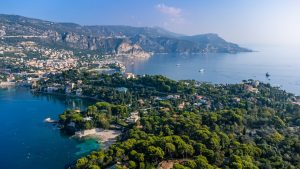
Nestled in the northwestern corner of France, Normandy stands as one of Europe’s most historically significant and culturally rich regions. From the dramatic cliffs of Étretat to the solemn beaches of D-Day, from medieval abbeys to world-renowned culinary traditions, Normandy offers an unparalleled journey through time, nature, and gastronomy. This comprehensive guide will take you through everything you need to know about exploring this remarkable French region, where every village, coastline, and dish tells a story of centuries past and present.
The Historical Tapestry of Normandy
Normandy’s history reads like an epic novel, filled with Viking invasions, medieval conquests, and pivotal moments that shaped the modern world. Understanding this rich historical background enhances every aspect of visiting this remarkable region.
Medieval Foundations and Norman Heritage
The story of Normandy begins in the 9th century when Viking raiders, led by Rollo, established settlements along the Seine River. By 911 CE, the Treaty of Saint-Clair-sur-Epte officially recognized Rollo as the first Duke of Normandy, founding a dynasty that would profoundly influence European history.
The Norman architectural legacy remains visible throughout the region today. Romanesque churches dot the countryside, characterized by their thick walls, rounded arches, and sturdy bell towers. The Cathedral of Rouen, where Richard the Lionheart’s heart is buried, exemplifies the Gothic evolution that followed Norman architecture.
Key historical sites to visit include:
- Mont-Saint-Michel: This UNESCO World Heritage site represents the pinnacle of medieval architecture and religious devotion
- Château de Falaise: Birthplace of William the Conqueror
- Abbey of Jumièges: Known as the “most beautiful ruin in France”
- Caen Castle: Built by William the Conqueror in 1060
The Norman Conquest and Its Legacy
Perhaps no single event in Norman history carries more significance than the Norman Conquest of England in 1066. William the Conqueror’s victory at the Battle of Hastings didn’t just change English history—it created lasting cultural and linguistic connections between Normandy and England that persist today.
The Bayeux Tapestry, housed in the Bayeux Museum, provides a remarkable visual narrative of these events. This 70-meter embroidered cloth tells the story of the conquest through 58 scenes, offering insights into 11th-century life, warfare, and politics.
D-Day and World War II
Normandy’s role in World War II represents one of history’s most pivotal moments. On June 6, 1944, the Allied forces launched Operation Overlord, the largest seaborne invasion in history, along Normandy’s beaches.
The five landing beaches—Utah, Omaha, Gold, Juno, and Sword—each tell unique stories of courage, sacrifice, and liberation. Today, these sites serve as powerful reminders of the price of freedom:
- Omaha Beach: The most heavily defended beach, scene of fierce fighting
- Utah Beach: The westernmost landing point with the lowest casualties
- Pointe du Hoc: Where U.S. Rangers scaled 100-foot cliffs under enemy fire
- American Cemetery at Colleville-sur-Mer: Final resting place of over 9,000 American servicemen
The numerous museums, memorials, and preserved bunkers throughout the region provide comprehensive insights into this crucial period of history.
Normandy’s Spectacular Coastlines
Normandy boasts over 600 kilometers of coastline, featuring some of France’s most dramatic and diverse coastal landscapes. From towering chalk cliffs to expansive sandy beaches, the Norman coast offers endless opportunities for exploration and recreation.
The Côte d’Albâtre (Alabaster Coast)
The Alabaster Coast stretches from Le Tréport to Le Havre, characterized by its brilliant white chalk cliffs that rise dramatically from the English Channel. This stunning coastline has inspired countless artists, most notably Claude Monet, who captured its ethereal beauty in numerous paintings.
Étretat stands as the crown jewel of the Alabaster Coast. Its famous arches and needle-shaped rock formation, L’Aiguille, have become iconic symbols of Normandy. The best viewing points include:
- Falaise d’Amont: Eastern cliff offering panoramic views
- Falaise d’Aval: Western cliff with closer views of the famous arches
- The beach level: Perfect for photography and closer examination of the rock formations
Other notable Alabaster Coast destinations include Fécamp, home to the Benedictine liqueur, and Dieppe, a charming fishing port with a rich maritime heritage.
The Cotentin Peninsula
The Cotentin Peninsula extends into the English Channel like a thumb, offering diverse coastal experiences from wild, windswept shores to protected harbors. Cherbourg, at the peninsula’s tip, serves as a major ferry port connecting France to England and Ireland.
The peninsula’s western coast features dramatic granite cliffs and secluded coves, while the eastern shores offer calmer waters and sandy beaches perfect for families. The Val de Saire region showcases quintessential Norman coastal villages with traditional stone houses and active fishing ports.
Coastal Activities and Recreation
Normandy’s coastlines offer numerous recreational opportunities for visitors:
- Hiking: The GR21 coastal path offers spectacular cliff-top walking from Le Tréport to Le Havre
- Beach activities: Swimming, sunbathing, and beach sports on numerous sandy beaches
- Water sports: Sailing, windsurfing, and kayaking in protected bays
- Fishing: Both shore fishing and deep-sea fishing charters available
- Photography: Endless opportunities to capture dramatic seascapes and coastal architecture
Norman Culinary Traditions: A Gastronomic Journey
Norman cuisine reflects the region’s agricultural abundance and coastal location, creating a distinctive culinary identity that combines hearty farm-to-table traditions with exceptional seafood. The region’s temperate climate and fertile soils produce ingredients that form the foundation of classic French gastronomy.
Signature Ingredients and Products
Normandy’s culinary reputation rests on several exceptional local ingredients:
Dairy Products: Normandy produces some of France’s finest dairy products, thanks to its lush pastures and traditional farming methods. The region is famous for:
- Camembert: Perhaps the most famous Norman cheese, originating in the village of Camembert
- Pont-l’Évêque: A soft, aromatic cheese with a distinctive square shape
- Livarot: Known as “the Colonel” due to the five strips that encircle it
- Norman butter: Rich, creamy butter with AOC (Appellation d’Origine Contrôlée) status
- Crème fraîche: Thick, tangy cream essential to Norman cooking
Apples and Cider: Normandy’s apple orchards produce the fruit for the region’s famous alcoholic beverages. Traditional varieties include Binet Rouge, Frequin Rouge, and Bedan, each contributing unique flavors to ciders and calvados.
Seafood: The Norman coast provides an abundance of fresh seafood, including oysters from Isigny, mussels from Barfleur, scallops from the Bay of Seine, and various fish species caught daily by local fishermen.
Classic Norman Dishes
Norman cuisine features several signature dishes that showcase the region’s finest ingredients:
Moules à la Crème Normande: Fresh mussels cooked in white wine, cream, and herbs, representing the perfect marriage of Norman dairy and seafood traditions.
Escalope de Veau à la Normande: Veal cutlets prepared with apples, calvados, and cream, exemplifying the region’s love for combining meat with local fruit and dairy products.
Sole Normande: Dover sole prepared with a rich sauce containing mushrooms, shrimp, and cream, often finished with a touch of calvados.
Tripes à la Mode de Caen: A traditional dish of beef tripe slow-cooked with vegetables, cider, and calvados, requiring hours of patient preparation.
Teurgoule: A traditional rice pudding flavored with cinnamon and baked slowly until it develops a golden, caramelized top.
Norman Beverages
Normandy’s beverage traditions center around apple-based drinks that have been produced for centuries:
Cider (Cidre): Norman cider ranges from sweet to dry, with varying alcohol content. Traditional production methods involve specific apple varieties and natural fermentation processes.
Calvados: This apple brandy represents the pinnacle of Norman distillation. Aged in oak barrels, quality calvados develops complex flavors ranging from fresh apple to rich, woody notes. The Pays d’Auge region produces calvados with AOC status.
Pommeau: A sweet aperitif created by blending young calvados with fresh apple juice, aged in oak barrels for at least 14 months.
Food Markets and Culinary Experiences
Experiencing Norman cuisine extends beyond restaurants to local markets, farms, and specialized food experiences:
- Weekly markets: Most Norman towns host weekly markets featuring local producers
- Farm visits: Many dairy farms and cider producers offer tours and tastings
- Cooking classes: Learn traditional Norman cooking techniques from local chefs
- Food festivals: Seasonal celebrations of specific ingredients like apples, scallops, or herring
Planning Your Norman Adventure
Successfully exploring Normandy requires thoughtful planning to maximize your experience across the region’s diverse offerings.
Best Times to Visit
Normandy’s temperate oceanic climate makes it accessible year-round, but different seasons offer distinct advantages:
Spring (April-June): Mild weather, blooming apple orchards, and fewer crowds make this ideal for countryside exploration and coastal walks.
Summer (July-September): Warmest weather and longest days, perfect for beach activities and outdoor dining, though expect larger crowds at major attractions.
Autumn (October-November): Apple harvest season offers unique culinary experiences, while still maintaining pleasant weather for sightseeing.
Winter (December-March): Quieter period with fewer tourists, ideal for museum visits and indoor cultural experiences, though weather can be changeable.
Transportation and Getting Around
Normandy’s transportation infrastructure facilitates easy exploration:
- By car: Offers maximum flexibility for exploring rural areas and coastal routes
- Train connections: Regular services from Paris to major Norman cities like Caen, Rouen, and Bayeux
- Regional buses: Connect smaller towns and historical sites
- Organized tours: Particularly useful for D-Day beaches and historical sites
Accommodation Options
Normandy offers diverse accommodation options to suit different preferences and budgets:
- Château hotels: Luxurious stays in converted medieval castles
- Boutique hotels: Characterful properties in historic town centers
- Farm stays (gîtes): Authentic rural experiences on working farms
- Seaside resorts: Traditional beach hotels along the coast
- Bed and breakfasts: Personal service in private homes
Must-Visit Norman Destinations
While every corner of Normandy offers something special, certain destinations stand out as essential stops for first-time visitors.
Rouen: The Historic Capital
Rouen serves as Normandy’s historical and cultural capital, featuring one of France’s most impressive Gothic cathedrals and a beautifully preserved medieval center. The city where Joan of Arc met her fate offers numerous museums, galleries, and historic sites within walking distance of each other.
Bayeux: Beyond the Tapestry
While famous for its medieval tapestry, Bayeux offers much more, including a stunning Gothic cathedral, charming cobblestone streets, and proximity to the D-Day beaches. The city serves as an excellent base for exploring the Calvados region.
Honfleur: Artists’ Haven
This picturesque port town has inspired artists for centuries with its colorful half-timbered houses surrounding the old harbor. Honfleur’s unique light and maritime atmosphere continue to attract painters, photographers, and visitors seeking quintessential Norman charm.
Caen: William the Conqueror’s City
Caen combines medieval heritage with modern urban amenities. The city’s castle, abbeys, and Memorial Museum provide comprehensive insights into Norman and World War II history, while its vibrant cultural scene offers contemporary attractions.
Conclusion
Normandy represents far more than a simple tourist destination—it’s a living museum where history, natural beauty, and culinary excellence converge to create unforgettable experiences. Whether you’re walking the beaches where history changed course, savoring a glass of calvados in a traditional café, or marveling at the dramatic chalk cliffs that have inspired artists for generations, Normandy offers profound connections to France’s cultural heritage and natural splendor.
From the medieval splendor of Mont-Saint-Michel to the poignant memorials of D-Day, from the artistic inspiration of Étretat’s cliffs to the gastronomic delights of local markets, every aspect of Normandy tells a story worth discovering. Plan your journey thoughtfully, embrace the region’s slower pace of life, and prepare to be enchanted by one of France’s most captivating regions.
Start planning your Norman adventure today, and discover why this remarkable region continues to capture the hearts and imaginations of travelers from around the world. Whether you’re drawn by history, natural beauty, culinary excellence, or all three, Normandy promises an enriching journey that will leave you planning your return visit before you’ve even departed.