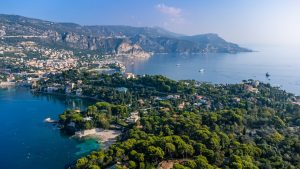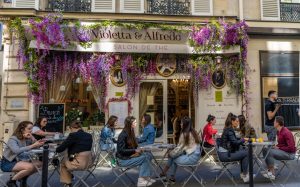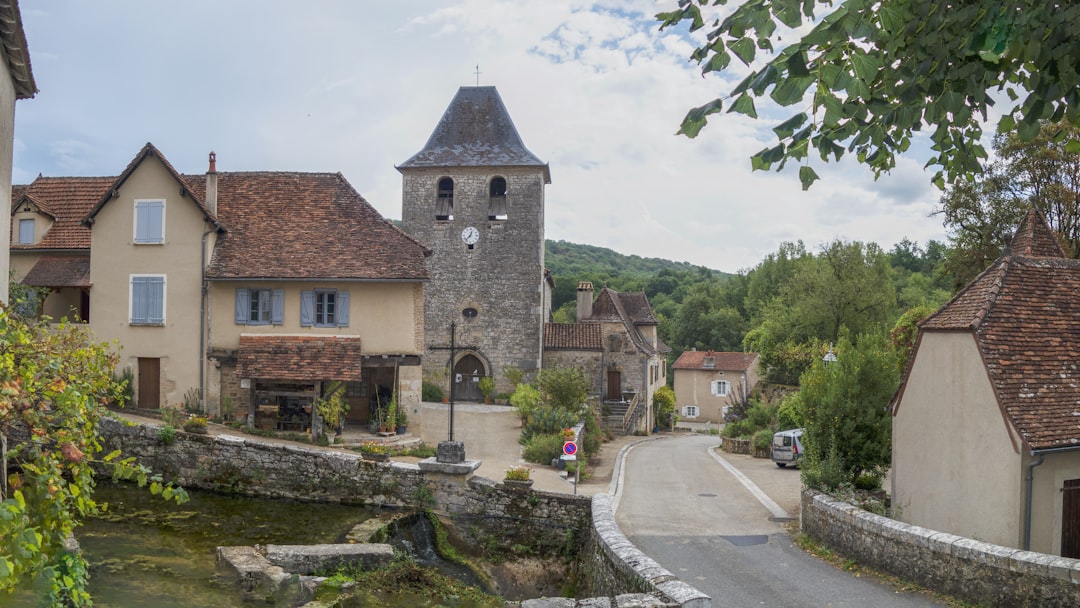
When most people think of beautiful French villages, names like Annecy, Colmar, or Saint-Paul-de-Vence immediately come to mind. While these destinations are undeniably stunning, France harbors countless lesser-known gems that offer equally breathtaking beauty without the crowds. These hidden villages showcase authentic French culture, remarkable architecture, and pristine natural settings that will leave you wondering why they haven’t made it onto every travel bucket list.
France boasts over 36,000 communes, many of which are small villages that have preserved their medieval charm, traditional crafts, and timeless way of life. The country’s diverse landscapes—from the rugged coastlines of Brittany to the lavender fields of Provence—provide the perfect backdrop for these architectural treasures. What makes these villages truly special is their ability to transport visitors back in time while offering modern comforts and genuine hospitality.
What Makes a French Village Truly Beautiful?
Before diving into our selection of hidden gems, it’s worth understanding what elements contribute to a village’s extraordinary beauty. French villages that capture hearts typically feature several key characteristics that work together to create an enchanting atmosphere.
Architectural Harmony
The most beautiful French villages display remarkable architectural coherence, where buildings complement each other through consistent use of local materials, colors, and construction techniques. Whether it’s the honey-colored limestone of Burgundy, the half-timbered houses of Alsace, or the white stone of the Loire Valley, these villages maintain visual unity while showcasing regional craftsmanship.
Historical Preservation
Many of these villages have received official recognition through France’s “Les Plus Beaux Villages de France” association, which certifies communities based on strict criteria including architectural quality, historical significance, and commitment to preservation. This designation helps protect these settlements from inappropriate development while encouraging restoration efforts.
Natural Integration
The most captivating villages seamlessly blend with their natural surroundings, whether perched on clifftops, nestled in valleys, or positioned along riverbanks. This harmony between human settlement and landscape creates the picture-perfect scenes that define French village beauty.
Hidden Gems of Northern France
Perfumes and Pottery: Gerberoy, Oise
Tucked away in the Picardy region, Gerberoy stands as one of France’s smallest and most charming villages. With fewer than 100 residents, this medieval settlement transforms into a floral paradise each spring when thousands of roses bloom along its narrow streets and ancient walls.
The village’s half-timbered houses, dating from the 15th and 16th centuries, create a fairy-tale atmosphere enhanced by carefully maintained gardens. Gerberoy’s artistic heritage includes connections to Post-Impressionist painter Henri Le Sidaner, who lived here and captured the village’s romantic essence in his works. Visitors can explore his former home and gardens, which remain largely unchanged since his time.
Best time to visit: Late May through June when roses are in full bloom
Notable features: Rose gardens, medieval architecture, artist studios
Maritime Majesty: Veules-les-Roses, Normandy
Along Normandy’s dramatic coastline lies Veules-les-Roses, where traditional thatched cottages meet the English Channel. This coastal village features the shortest river in France—the Veules River—which flows just 1.19 kilometers from source to sea, powering historic watermills along its brief journey.
The village’s unique charm comes from its combination of maritime and rural elements. Fishermen’s houses with characteristic steep roofs sit alongside elegant villas built by 19th-century Parisian bourgeoisie who discovered this coastal retreat. The contrast between working fishing boats and manicured gardens creates an authentic yet refined atmosphere.
Writers and artists have long been drawn to Veules-les-Roses, including Victor Hugo, who spent summers here. The village maintains strong literary connections through its annual cultural events and preserved writers’ houses.
Treasures of Eastern France
Alpine Paradise: Bonneval-sur-Arc, Savoie
High in the French Alps, Bonneval-sur-Arc represents one of Europe’s highest villages at 1,800 meters above sea level. This remote settlement in the Vanoise National Park has preserved its traditional stone and slate architecture so well that it appears frozen in time.
The village’s isolation has protected it from modern development, resulting in an authentic collection of 17th and 18th-century buildings constructed entirely from local materials. Traditional farming practices continue here, with villagers still making cheese according to centuries-old methods and maintaining ancient terraced fields.
During winter, Bonneval-sur-Arc becomes accessible only by ski or snowshoe, adding to its mystique. Summer reveals spectacular wildflower meadows and provides access to numerous hiking trails that showcase the raw beauty of the high Alps.
Special considerations: Road access may be limited in winter; check conditions before visiting
Activities: Mountain hiking, traditional cheese tasting, photography
Alsatian Enchantment: Hunspach, Bas-Rhin
In the heart of Alsace, Hunspach exemplifies the region’s distinctive Germanic architectural influence while maintaining uniquely French charm. This border village showcases perfectly preserved half-timbered houses with their characteristic white walls, dark wooden beams, and colorful flower boxes.
What sets Hunspach apart from more famous Alsatian villages is its remarkable homogeneity and pristine condition. Every building adheres to strict architectural guidelines, creating a harmonious streetscape that feels like stepping into a living museum. The village’s position near the German border has influenced its culture, cuisine, and traditions, creating a unique blend of French and Germanic elements.
Local artisans continue traditional crafts including pottery, woodworking, and textile production. The village hosts seasonal markets where visitors can purchase authentic regional products and interact with residents who proudly maintain their cultural heritage.
Central France’s Best-Kept Secrets
Medieval Magnificence: Sainte-Suzanne, Mayenne
Perched on a rocky outcrop in the Mayenne region, Sainte-Suzanne earned the nickname “Pearl of Maine” for its strategic position and architectural beauty. This fortified village successfully resisted William the Conqueror for three years, earning its place in French military history.
The village’s medieval ramparts remain largely intact, offering spectacular views over the surrounding countryside. Within the walls, cobblestone streets wind between well-preserved houses dating from the 11th to 17th centuries. The central keep houses a museum detailing the village’s military history and architectural evolution.
Modern Sainte-Suzanne balances historical preservation with contemporary cultural life. Art galleries, craft workshops, and restaurants operate within historic buildings, creating a living community rather than a museum piece. The village regularly hosts medieval festivals and cultural events that bring its history to life.
Riverbank Beauty: La Roque-Gageac, Dordogne
Built into limestone cliffs along the Dordogne River, La Roque-Gageac creates one of France’s most photogenic village scenes. Its houses seem to grow directly from the rock face, with terraced gardens cascading down to the water’s edge.
The village’s unique microclimate, created by the cliff’s solar gain and river’s moderating influence, allows Mediterranean plants to thrive alongside traditional Périgord vegetation. Palm trees and banana plants grow in gardens just meters from medieval stone houses, creating an almost tropical atmosphere in the heart of southwestern France.
Traditional gabares (flat-bottomed boats) offer river excursions that provide the best views of the village’s dramatic cliff-side setting. The perspective from the water reveals the full extent of the settlement’s integration with its natural environment.
Southern France’s Hidden Jewels
Lavender and Light: Moustiers-Sainte-Marie, Alpes-de-Haute-Provence
Suspended between towering limestone cliffs in the Verdon Regional Natural Park, Moustiers-Sainte-Marie appears to defy gravity as its white stone buildings climb the mountainside. A golden star suspended on a 227-meter chain spans the village—a mysterious addition whose origins are debated but whose beauty is undeniable.
The village has been famous for its faience pottery since the 17th century, when Italian craftsmen introduced sophisticated ceramic techniques. Today, numerous workshops continue this tradition, producing the distinctive blue and white pottery that has become synonymous with Moustiers-Sainte-Marie.
The village’s position at the gateway to the Verdon Gorge makes it a perfect base for exploring one of Europe’s most spectacular canyons. However, Moustiers-Sainte-Marie deserves attention in its own right for its remarkable setting, artistic heritage, and well-preserved medieval architecture.
Coastal Splendor: Cassis, Bouches-du-Rhône
While not entirely unknown, Cassis remains less crowded than many Riviera destinations while offering comparable beauty. This fishing port nestled between towering white cliffs and azure Mediterranean waters epitomizes Provence’s coastal charm.
The village’s pastel-colored houses reflect in the clear harbor waters, creating picture-perfect scenes that have attracted artists for generations. Local fishermen still bring their catch to the harbor each morning, maintaining authentic maritime traditions amid the tourism economy.
Cassis provides access to the Calanques National Park, where limestone fjords create some of France’s most dramatic coastal scenery. The village serves as both destination and gateway, offering sophisticated dining, comfortable accommodations, and easy access to pristine natural areas.
Western France’s Coastal Treasures
Breton Beauty: Locronan, Finistère
In the rugged landscape of Brittany, Locronan preserves the atmosphere of medieval Brittany with remarkable authenticity. This granite village prospered during the Middle Ages through sailcloth production, and its wealth funded the construction of beautiful Renaissance houses that survive today.
The village’s central square, surrounded by perfectly preserved 15th and 16th-century buildings, serves as a film set for period movies seeking authentic medieval backdrops. However, Locronan’s beauty extends beyond its architecture to include the surrounding heathland and coastal proximity that define Breton landscapes.
Celtic traditions remain strong in Locronan, with traditional Breton music, dance, and festivals occurring throughout the year. The village’s position near the Atlantic coast provides dramatic weather patterns that enhance its moody, mystical atmosphere.
Planning Your Village-Hopping Adventure
Best Times to Visit
Each season offers unique advantages for exploring France’s hidden villages. Spring (April-June) brings wildflowers, mild weather, and fewer tourists. Summer (July-August) provides the longest days and warmest weather but also the largest crowds. Autumn (September-November) offers harvest seasons, changing foliage, and comfortable temperatures. Winter visits can be magical, especially in mountain villages, though some services may have limited hours.
Transportation Considerations
Many of these villages are best reached by car, allowing flexibility to explore multiple destinations and access remote locations. Train connections exist to larger nearby towns, from which buses or taxis can complete the journey. Some villages offer limited parking, so arriving early in the day or staying overnight can provide advantages.
Accommodation Options
Staying overnight in these villages provides the best experience, allowing you to explore when day-trippers have departed. Options range from historic inns and family-run bed-and-breakfasts to vacation rentals in restored village houses. Booking in advance is essential, especially during peak seasons and local festivals.
Preserving France’s Village Heritage
These hidden gems face ongoing challenges from modernization pressures, changing economic conditions, and tourism impacts. Many villages work to balance preservation with economic vitality, seeking sustainable tourism that benefits local communities without overwhelming their infrastructure or character.
Visitors can contribute to preservation efforts by respecting local customs, supporting traditional businesses, and following sustainable travel practices. Purchasing local products, dining at family restaurants, and staying in locally-owned accommodations helps ensure these villages remain vibrant communities rather than empty tourist attractions.
Conclusion
France’s most beautiful unknown villages offer travelers the opportunity to experience authentic French culture, remarkable architecture, and stunning natural settings without the crowds that characterize more famous destinations. Each village tells its own story through architecture, traditions, and landscapes shaped by centuries of human habitation.
These hidden gems reward curious travelers with genuine cultural exchanges, photographic opportunities, and peaceful atmospheres that epitomize the French art of living. Whether seeking artistic inspiration, historical insight, or simply beautiful surroundings, these villages provide unforgettable experiences that capture the true essence of France.
The next time you plan a French adventure, venture beyond the well-known paths to discover these extraordinary villages. Your reward will be memories of places that remain largely untouched by mass tourism, where French village life continues much as it has for generations, and where every cobblestone street and ancient wall tells a story worth discovering.