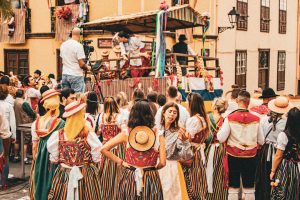
Spain offers photographers an extraordinary canvas of diverse landscapes, architectural marvels, and vibrant cultural scenes. From the sun-drenched beaches of Costa del Sol to the dramatic peaks of the Pyrenees, this Mediterranean paradise presents endless opportunities for capturing breathtaking images. Whether you’re a professional photographer or an enthusiastic amateur, mastering Spain travel photography requires understanding both the technical aspects and the country’s unique visual characteristics.
This comprehensive guide will equip you with essential photography tips, reveal the most photogenic locations across Spain, and help you plan your photographic journey through one of Europe’s most visually stunning destinations. Get ready to discover how to capture Spain’s essence through your lens.
Essential Photography Tips for Spain
Understanding Spain’s Unique Light
Spain’s Mediterranean climate creates distinctive lighting conditions that can dramatically impact your photographs. The country experiences intense midday sun, particularly during summer months, which can create harsh shadows and overexposed highlights. Golden hour photography becomes especially magical in Spain, with warm, honey-colored light that perfectly complements the country’s terracotta rooftops and golden stone architecture.
The best times for photography are typically:
- Early morning (6:00-8:00 AM): Soft, diffused light with minimal crowds
- Late afternoon (6:00-8:00 PM): Warm golden hour light
- Blue hour (8:00-9:00 PM in summer): Perfect for architectural photography with illuminated buildings
Camera Settings for Spanish Conditions
Spain’s bright, sunny conditions require specific camera adjustments to achieve optimal results. Use these recommended settings as starting points:
- Aperture: f/8-f/11 for landscapes to ensure sharp foreground and background
- ISO: Keep between 100-400 in bright conditions
- Shutter Speed: 1/250s or faster for handheld shots in bright light
- White Balance: Daylight or sunny settings work well
Pro tip: Always shoot in RAW format when traveling to Spain. The intense contrasts between bright skies and shadowed architectural details require the flexibility that RAW files provide for post-processing adjustments.
Equipment Recommendations
Choosing the right equipment for Spain travel photography depends on your itinerary and photographic goals. Here’s a recommended gear list:
- Wide-angle lens (16-35mm): Essential for capturing Spain’s grand architecture and expansive landscapes
- Standard zoom lens (24-70mm): Versatile for street photography and portraits
- Telephoto lens (70-200mm): Perfect for isolating architectural details and wildlife photography
- Polarizing filter: Reduces glare from water and enhances sky contrast
- Neutral density filters: Enables long exposure photography of waterfalls and seascapes
- Sturdy tripod: Necessary for low-light photography and long exposures
Best Photo Spots in Barcelona and Catalonia
Sagrada Família: Architectural Photography Masterpiece
Antoni Gaudí’s unfinished masterpiece offers countless photographic opportunities. The Sagrada Família presents unique challenges and rewards for photographers willing to explore different perspectives and times of day.
Best photography spots and techniques:
- Plaça de Gaudí: Capture the iconic facade with the reflection pool in foreground
- Interior photography: Visit during mid-morning when colorful light filters through stained glass windows
- Drone photography: Obtain permits for aerial shots of the complete structure
- Detail shots: Use macro or telephoto lenses to capture intricate stone carvings
Park Güell: Whimsical Architecture and City Views
This UNESCO World Heritage site combines Gaudí’s artistic vision with panoramic views of Barcelona. Park Güell requires advance booking for the monumental zone, making timing crucial for photographers.
Photography highlights include:
- The iconic mosaic salamander (El Drac)
- Serpentine bench with colorful ceramic fragments
- Gingerbread-style gatehouses at the entrance
- City skyline views from the main terrace
Gothic Quarter: Medieval Streets and Architecture
Barcelona’s Gothic Quarter (Barrio Gótico) provides intimate street photography opportunities with its narrow medieval lanes, hidden plazas, and stunning Gothic architecture. The area’s confined spaces require careful composition and often benefit from vertical framing.
Coastal Photography in Costa Brava
The rugged coastline of Costa Brava offers dramatic seascapes and charming fishing villages. Key locations include:
- Cadaqués: White-washed buildings against azure Mediterranean waters
- Tossa de Mar: Medieval fortress overlooking pristine beaches
- Cap de Creus: Dramatic rocky coastline and lighthouse
Madrid’s Photography Hotspots
Royal Palace and Surroundings
Madrid’s Royal Palace (Palacio Real) represents one of Europe’s most impressive royal residences. The palace offers multiple photography angles, from the grand Plaza de la Armería to the beautifully maintained Sabatini Gardens.
Optimal photography conditions:
- Early morning: Avoid crowds and capture soft lighting on the palace facade
- Golden hour: Warm light enhances the cream-colored limestone exterior
- Night photography: Illuminated palace creates dramatic silhouettes
Retiro Park: Urban Oasis Photography
Parque del Retiro provides diverse photographic subjects within Madrid’s urban environment. The park’s 125 hectares include formal gardens, sculptures, and the stunning Crystal Palace (Palacio de Cristal).
Must-photograph locations:
- Crystal Palace with its iron and glass architecture
- Monument to Alfonso XII overlooking the artificial lake
- Rose Garden (Rosaleda) during spring bloom
- Fallen Angel statue (unique statue dedicated to Lucifer)
Puerta del Sol and Plaza Mayor
These iconic Madrid squares offer excellent opportunities for urban and architectural photography. Puerta del Sol serves as the symbolic center of Spain and the starting point of the country’s radial road network.
Andalusia: Southern Spain’s Photographic Paradise
Alhambra, Granada: Moorish Architecture Perfection
The Alhambra complex represents the pinnacle of Moorish architecture in Spain. This UNESCO World Heritage site requires advance reservations and careful timing for optimal photography conditions.
Essential photography tips for Alhambra:
- Book morning tickets: Better lighting and fewer crowds
- Focus on geometric patterns: Islamic art features intricate tile work and carved details
- Capture water features: Fountains and reflecting pools add dynamic elements
- Include Sierra Nevada backdrop: Snow-capped mountains provide dramatic context
Seville’s Architectural Treasures
Seville (Sevilla) combines Moorish, Gothic, and Renaissance architectural styles, creating a photographer’s paradise of diverse visual elements.
Key photography locations:
- Alcázar of Seville: Stunning Mudéjar architecture and gardens
- Seville Cathedral: Largest Gothic cathedral in the world
- Plaza de España: Renaissance Revival architecture with dramatic semicircular layout
- Barrio Santa Cruz: Narrow streets, flower-adorned balconies, and intimate plazas
Córdoba’s Mezquita: Architectural Fusion
The Mezquita-Catedral in Córdoba presents a unique photographic challenge with its forest of red and white striped arches. This former mosque turned cathedral requires specific techniques for interior photography.
Photography considerations:
- Use high ISO (1600-3200) for interior shots without flash
- Shoot in RAW to manage extreme contrast between lit and shadowed areas
- Focus on repetitive patterns and leading lines
- Capture the architectural contrast between Islamic and Christian elements
White Villages (Pueblos Blancos) of Andalusia
The white villages scattered throughout Andalusia’s mountains offer quintessentially Spanish photography opportunities. These settlements feature whitewashed houses cascading down hillsides against dramatic backdrops.
Notable pueblos blancos for photography:
- Ronda: Dramatic gorge with the famous New Bridge
- Grazalema: Mountain village with traditional architecture
- Arcos de la Frontera: Hilltop location with panoramic views
- Zahara de la Sierra: Lake views and mountain backdrop
Northern Spain: Diverse Landscapes and Architecture
Santiago de Compostela and the Camino
Santiago de Compostela marks the endpoint of the famous Camino pilgrimage route. The city’s cathedral and historic center provide excellent architectural photography opportunities, while the surrounding Galician countryside offers lush green landscapes.
Basque Country Photography
The Basque Country (País Vasco) combines dramatic coastal scenery with unique cultural elements and modern architecture.
Photography highlights:
- Guggenheim Museum Bilbao: Frank Gehry’s titanium-clad architectural masterpiece
- San Sebastián: Elegant Belle Époque architecture and beautiful beaches
- Getaria: Fishing village with dramatic coastal views
- Basque farmhouses: Traditional architecture in rolling green hills
Asturias and Cantabria: Green Spain Photography
Northern Spain’s Asturias and Cantabria regions offer a completely different photographic experience with their lush landscapes, dramatic coastlines, and pre-Romanesque architecture.
Must-visit photography locations:
- Picos de Europa National Park for mountain landscapes
- Covadonga Lakes for reflection photography
- Santillana del Mar for medieval architecture
- Cabo de Peñas for dramatic coastal scenery
Spanish Islands: Balearic and Canary Islands Photography
Balearic Islands: Mediterranean Paradise
The Balearic Islands (Mallorca, Menorca, Ibiza, and Formentera) offer pristine beaches, crystal-clear waters, and charming Mediterranean architecture.
Photography opportunities:
- Mallorca: Dramatic Serra de Tramuntana mountains and secluded coves
- Menorca: Prehistoric monuments and pristine beaches
- Ibiza: Vibrant sunsets and traditional architecture
- Formentera: Caribbean-like beaches with turquoise waters
Canary Islands: Volcanic Landscapes
The Canary Islands provide unique photographic opportunities with their volcanic landscapes, subtropical vegetation, and year-round pleasant weather.
Key photography destinations:
- Teide National Park, Tenerife: Lunar-like volcanic landscapes
- Lanzarote: Black volcanic rock contrasted with white architecture
- Gran Canaria: Diverse landscapes from beaches to mountains
- La Palma: Dense forests and volcanic craters
Cultural Photography in Spain
Flamenco and Traditional Dance Photography
Capturing Spain’s vibrant flamenco culture requires specific techniques for low-light performance photography. Understanding the rhythm and movement patterns helps anticipate peak action moments.
Technical considerations:
- Use fast shutter speeds (1/500s or higher) to freeze movement
- High ISO capabilities essential for dimly lit venues
- Focus on facial expressions and hand gestures
- Respect performance etiquette regarding flash photography
Festivals and Celebrations
Spain’s numerous festivals provide colorful and dynamic photography opportunities throughout the year. Major events include:
- Las Fallas (Valencia): Elaborate sculptures and fireworks displays
- Semana Santa: Religious processions with dramatic lighting
- La Tomatina: Tomato-throwing festival requiring weather protection for equipment
- Running of Bulls (Pamplona): Action photography requiring telephoto lenses and safety awareness
Practical Photography Planning for Spain
Best Times to Visit for Photography
Spain’s diverse climate zones require seasonal planning for optimal photography conditions:
Spring (March-May):
- Mild temperatures and blooming landscapes
- Fewer crowds at popular attractions
- Good lighting conditions throughout the day
Summer (June-August):
- Long daylight hours with extended golden hour
- Festival season with numerous cultural events
- Intense heat requiring early morning and late evening photography
Autumn (September-November):
- Comfortable temperatures for day-long photography sessions
- Harvest season in wine regions
- Clear skies with excellent visibility
Winter (December-February):
- Fewer tourists at major attractions
- Snow-capped mountains provide dramatic backdrops
- Shorter daylight hours require efficient planning
Transportation and Logistics
Spain’s excellent transportation infrastructure facilitates photography travel throughout the country. Consider these options:
- High-speed trains (AVE): Connect major cities efficiently
- Rental cars: Essential for accessing remote villages and landscapes
- Domestic flights: Useful for reaching island destinations
- Public transportation: Adequate for urban photography in major cities
Photography Permissions and Regulations
Understanding Spanish photography regulations ensures legal and ethical shooting:
- Public spaces: Generally permitted for personal use
- Museums and monuments: Check individual policies; many prohibit flash photography
- Drone photography: Requires registration and adherence to AESA regulations
- Commercial photography: May require permits and insurance
- Privacy laws: Respect individuals’ rights when photographing people
Post-Processing Tips for Spain Photography
Enhancing Spanish Light and Colors
Spain’s intense light and vibrant colors benefit from specific post-processing techniques:
- Highlight recovery: Pull back overexposed skies and white buildings
- Shadow lifting: Reveal details in architectural shadows
- Vibrance adjustment: Enhance natural colors without oversaturation
- Clarity and structure: Emphasize architectural textures and details
Creating Cohesive Spanish Travel Galleries
Develop a consistent editing style that captures Spain’s essence:
- Warm color grading to emphasize Mediterranean atmosphere
- Consistent exposure levels across similar lighting conditions
- Enhanced contrast to showcase architectural details
- Careful color balance to maintain authenticity
Conclusion
Spain offers photographers an incredible diversity of subjects, from ancient architectural marvels to contemporary masterpieces, from dramatic landscapes to vibrant cultural celebrations. Success in Spanish travel photography comes from understanding the country’s unique lighting conditions, respecting its cultural heritage, and preparing for diverse photographic challenges.
Whether you’re capturing the intricate details of Moorish architecture in Andalusia, the modern lines of Bilbao’s Guggenheim, or the raw beauty of Spain’s coastlines, remember that the best photographs often come from patient observation and cultural appreciation. Take time to explore beyond the obvious tourist shots, engage with local communities respectfully, and allow Spain’s rich visual heritage to inspire your creative vision.
Plan your Spanish photography adventure with proper research, carry appropriate equipment for diverse conditions, and most importantly, remain open to unexpected photographic opportunities that emerge when traveling through this visually stunning country. Spain rewards photographers who approach its landscapes and culture with curiosity, respect, and artistic vision.