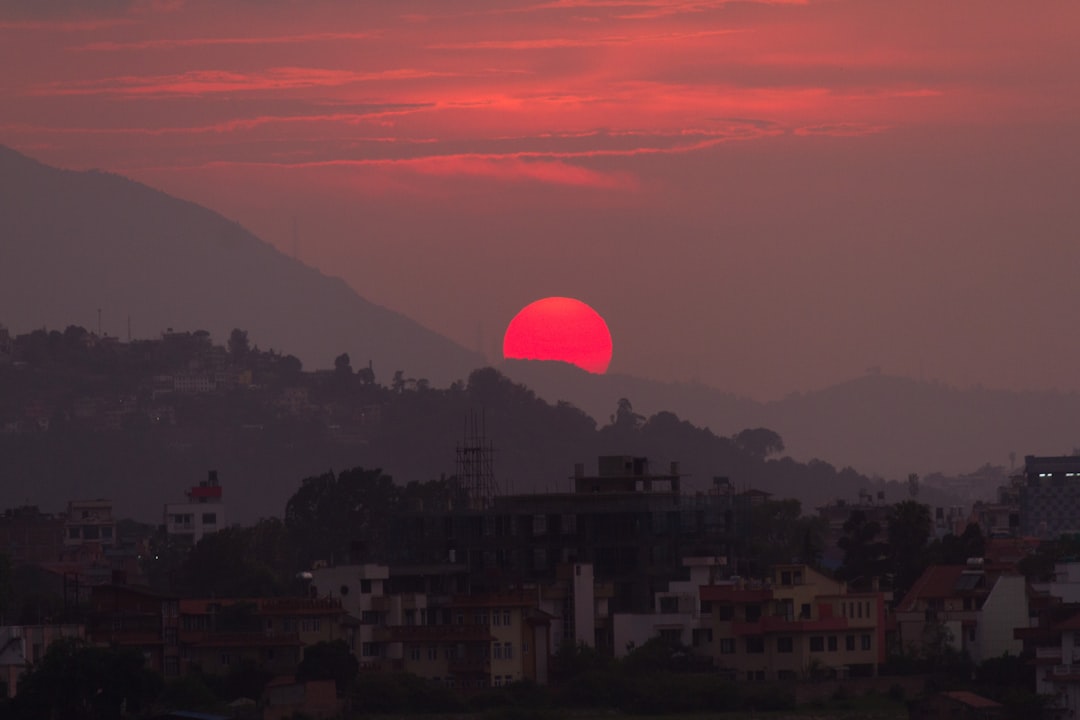
Picture this: You’re standing on a mountain ridge at 5,000 meters above sea level, watching the first rays of sunlight paint the world’s tallest peaks in shades of gold and pink. The silence is profound, broken only by your own heartbeat and the gentle flutter of prayer flags in the mountain breeze. This isn’t just any sunrise – this is Nepal, where every dawn and dusk feels like nature’s own masterpiece.
Nepal isn’t just home to Mount Everest and incredible trekking routes. It’s a photographer’s paradise and a soul-searcher’s dream, offering some of the most spectacular sunrise and sunset spots on the planet. Whether you’re an adventure junkie willing to trek for days or someone who prefers easier access points, Nepal has something magical waiting for you.
In this guide, we’ll take you through the best places to witness these daily miracles, complete with practical tips, insider secrets, and everything you need to know to catch that perfect golden hour moment.
Why Nepal is Perfect for Sunrise and Sunset Photography
Before we dive into specific locations, let’s talk about what makes Nepal so special for catching those Instagram-worthy moments. The country sits at a unique geographical position where the flat Terai plains meet some of the world’s highest mountains. This dramatic elevation change creates incredible atmospheric conditions that photographers and nature lovers absolutely live for.
The clear mountain air, minimal light pollution in many areas, and the sheer scale of the landscape mean that sunrises and sunsets here aren’t just beautiful – they’re transformative experiences. Add in the cultural elements like ancient temples, prayer flags, and traditional villages, and you’ve got the recipe for some truly unforgettable moments.
Mountain Viewpoints: Where Giants Meet Golden Light
Sarangkot (Pokhara)
Let’s start with probably the most accessible and popular spot – Sarangkot near Pokhara. This hill station sits at 1,592 meters and offers stunning views of the Annapurna range, including Machhapuchhre (Fishtail Mountain). What makes Sarangkot special is that you can actually drive most of the way up, making it perfect for those who want mountain views without the multi-day trek.
Best time to visit: October to March for clearest skies
Getting there: 30-minute drive from Pokhara, or a 2-hour hike if you’re feeling energetic
Pro tip: Arrive at least 45 minutes before sunrise. The pre-dawn blue hour is just as magical as the sunrise itself, and you’ll want to secure a good spot as it can get crowded during peak season.
Poon Hill (Annapurna Region)
If you’re up for a bit more adventure, Poon Hill is hands-down one of the most rewarding sunrise experiences in Nepal. At 3,210 meters, this viewpoint requires a 3-4 day trek, but trust me, it’s worth every step. The 360-degree views of the Annapurna and Dhaulagiri ranges are absolutely mind-blowing.
What sets Poon Hill apart is the atmosphere. You’re sharing this moment with fellow trekkers from around the world, all of you having earned this view through days of hiking. There’s something incredibly bonding about huddling together in the cold pre-dawn darkness, waiting for the sun to set the mountains on fire.
Trek difficulty: Easy to moderate
Best months: October-November and March-May
Insider secret: The sunset from Poon Hill is actually less crowded than sunrise and equally stunning. Consider staying an extra day to catch both!
Kala Patthar (Everest Region)
Now we’re talking serious business. Kala Patthar, at 5,644 meters, offers the closest view of Mount Everest that you can get without technical climbing skills. This is bucket-list territory – the kind of experience that changes how you see the world.
The trek to Kala Patthar is challenging and requires good physical fitness and proper acclimatization. You’re looking at roughly 12-14 days round trip from Kathmandu. But when you’re standing there watching the sunrise illuminate the world’s tallest mountain, every difficult step feels worth it.
Elevation: 5,644 meters
Trek duration: 12-16 days
Essential gear: Proper high-altitude clothing, good boots, and lots of determination
Reality check: This isn’t for beginners. Make sure you’re properly prepared and consider hiring a guide.
Cultural Heritage Sites with Stunning Views
Nagarkot
Sometimes the best experiences come from unexpected places. Nagarkot, just 32 kilometers from Kathmandu, might not look like much during the day, but come sunrise or sunset, this hilltop town transforms into something magical. What I love about Nagarkot is how accessible it is – you can literally drive there from Kathmandu in about an hour.
From Nagarkot, you get panoramic views of the Himalayas, including Everest on clear days (yes, really!). But what makes it extra special is watching rural Nepali life wake up as the sun rises. Farmers heading to their fields, children walking to school, smoke rising from morning cooking fires – it’s Nepal in all its authentic glory.
Distance from Kathmandu: 32 km (1-hour drive)
Elevation: 2,175 meters
Best feature: Mountain views without the trek
Local tip: Stay overnight in one of the local guesthouses. The evening sunset is gorgeous, and you’ll be perfectly positioned for sunrise without any travel hassle.
Swayambhunath (Monkey Temple)
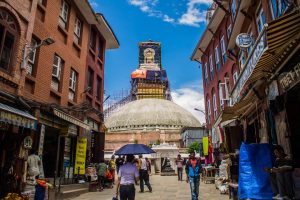
Here’s where culture meets natural beauty in the most incredible way. Swayambhunath, perched on a hilltop overlooking Kathmandu Valley, offers sunset views that blend spiritual significance with stunning scenery. As the sun sets behind the mountains, the ancient stupas and prayer wheels create silhouettes that photographers dream about.
The atmosphere here during sunset is unlike anywhere else. Devotees spinning prayer wheels, the distant sound of temple bells, monkeys playfully swinging from branch to branch (hence the nickname), and that golden light washing over the entire valley – it’s sensory overload in the best possible way.
Entry fee: NPR 200 for foreigners
Best time: 1 hour before sunset
Photography tip: The stairs leading up to the temple create great leading lines for photos, especially with prayer flags in the frame.
Bhaktapur Durbar Square
If you want to combine cultural exploration with beautiful golden hour light, Bhaktapur is your spot. This medieval city, with its incredible architecture and traditional way of life, becomes absolutely magical during sunrise and sunset. The warm light bouncing off ancient brick buildings, narrow cobblestone streets, and traditional wooden windows creates an atmosphere that feels like stepping back in time.
What I particularly love about Bhaktapur is how the golden hour brings the city to life. Potters working their wheels, women laying out grain to dry, elderly locals gathering in courtyards – all bathed in that perfect warm light that makes everything look like a painting.
Entry fee: NPR 1,500 for foreigners
Photography opportunities: Architecture, street life, traditional crafts
Bonus: Amazing local food and traditional accommodations available
Lake and Valley Views
Phewa Lake (Pokhara)
Sometimes the most beautiful moments happen at the most accessible places. Phewa Lake in Pokhara offers sunrise and sunset views that rival any mountain viewpoint, but with the added bonus of perfect reflections in the calm water. Imagine the Annapurna range mirrored perfectly in the lake surface, doubled the beauty with zero extra effort required.
The best part about Phewa Lake is the variety of vantage points. You can watch from the lakeside promenade, rent a boat and paddle to the middle of the lake, or even catch the reflection from one of the many lakeside cafes while sipping your morning coffee. It’s sunrise viewing for people who appreciate comfort along with their natural beauty.
Best viewing spots: Lakeside promenade, boat on the lake, World Peace Pagoda
Activities: Boating, kayaking, paragliding
Pro tip: The World Peace Pagoda on the opposite side of the lake offers elevated views of both the lake and mountains – perfect for sunset.
Rara Lake
Now here’s a hidden gem that most tourists never see. Rara Lake, Nepal’s largest lake, sits in the remote northwestern part of the country surrounded by pristine forests and snow-capped peaks. Getting here requires either a flight to Talcha Airport followed by a trek, or a multi-day overland journey, but the payoff is incredible.
What makes Rara Lake special is the solitude. While places like Sarangkot might have dozens of other photographers jostling for the best spot, at Rara Lake you might have the entire sunrise to yourself. The lake’s deep blue waters reflect the surrounding peaks perfectly, and the silence is so profound you can hear your own heartbeat.
Location: Northwestern Nepal
Access: Flight to Talcha + 3-hour trek, or 2-day overland journey
Best for: Solitude seekers and serious photographers
Warning: Remote location – go prepared and preferably with a guide
Hidden Gems Off the Beaten Path
Bandipur
Let me tell you about one of Nepal’s best-kept secrets. Bandipur, a preserved Newari town perched on a ridge, offers incredible sunrise and sunset views with a fraction of the crowds you’ll find at more famous spots. This hilltop town feels like a movie set, with its traditional architecture and stunning Himalayan backdrop.
What I absolutely love about Bandipur is how authentic it feels. Local kids playing in the streets, elderly residents sitting on traditional wooden porches, the sound of temple bells echoing across the valley – it’s Nepal as it used to be, before tourism changed everything.
Distance from Kathmandu: 143 km (4-5 hours by road)
Unique feature: Traditional Newari architecture
Best time: October to March
Accommodation: Traditional guesthouses with mountain views
Dhulikhel
Dhulikhel might be close to Kathmandu, but it feels worlds away. This ancient town offers panoramic Himalayan views and a peaceful atmosphere that’s perfect for contemplating life while watching the sun paint the sky in impossible colors. The town sits on an ancient trade route, and you can still feel that historical significance in the winding cobblestone streets and traditional architecture.
The sunrise from Dhulikhel is particularly special because you get to watch the entire Kathmandu Valley wake up below you. Morning mist rising from the valley floor, distant temple bells, the gradual emergence of daily life – it’s meditation in motion.
Distance from Kathmandu: 30 km (1.5 hours)
Elevation: 1,550 meters
Best viewpoints: Narayanthan Temple, Kali Temple
Perfect for: Weekend getaways from Kathmandu
Essential Tips for the Perfect Golden Hour Experience
Timing is Everything
Here’s something most guidebooks don’t tell you: the best light often happens before the sun actually rises or after it sets. That blue hour, when the sky turns deep purple and the mountains are silhouetted against the horizon, is pure magic. Plan to arrive at your viewpoint at least 45 minutes early.
Also, don’t pack up your camera the moment the sun disappears. Some of the most incredible colors happen 15-20 minutes after sunset, when the sky can turn into these amazing purples and magentas that look almost unreal.
Weather and Seasonal Considerations
Nepal’s weather can be incredibly unpredictable, especially in the mountains. October through March generally offers the clearest skies and best visibility, but don’t completely write off other months. Monsoon season (June-September) might seem like a bad choice, but the dramatic cloud formations can create some truly spectacular sunrise and sunset shots.
Best overall months: October, November, February, March
Clearest mountain views: November-January
Warmest weather: March-May
Dramatic skies: Pre and post-monsoon periods
Photography Equipment and Settings
You don’t need a professional camera to capture Nepal’s beauty, but a few basic tips can help you get much better shots. If you’re using a smartphone, try using HDR mode for high-contrast scenes, and don’t be afraid to use the manual exposure controls that most phones now have.
For those with cameras, a tripod is absolutely essential for low-light conditions. Shooting in RAW format gives you much more flexibility when editing later. And here’s a pro tip: bracket your exposures. Take the same shot at different exposure settings – you can combine them later or just choose the best one.
What to Pack
Even if you’re just going to easily accessible spots like Sarangkot or Nagarkot, mornings in Nepal can be surprisingly cold, especially during winter months. Layer up! A warm jacket, good gloves (that still let you operate your camera), and a thermos with hot tea or coffee can make the difference between a miserable experience and an amazing one.
- Warm clothing: Layers are key, especially for early morning shoots
- Headlamp or flashlight: You’ll likely be moving around in the dark
- Extra batteries: Cold weather drains them faster
- Snacks and water: Especially for longer treks
- Cash: Many viewpoints charge small entrance fees
Making the Most of Your Nepal Sunrise and Sunset Adventure
Here’s the thing about chasing sunrises and sunsets in Nepal – it’s not just about the photos. Sure, you’ll get some incredible shots, but the real magic is in the experience itself. There’s something profoundly moving about watching the world’s highest mountains catch fire with the first light of day, or seeing ancient temples silhouetted against a blazing sunset sky.
Take time to put down the camera occasionally and just be present. Feel the cold mountain air, listen to the sounds around you, watch how the light changes not just the landscape but the mood of everyone around you. These moments of pure experience are often more valuable than any photograph.
Also, don’t be afraid to chat with fellow travelers and locals. Some of my best Nepal memories come from conversations with other photographers waiting for sunrise, or local guides sharing stories about the mountains and their cultural significance. Nepal’s people are incredibly warm and welcoming, and they often know secret spots or timing tips that can make your experience even better.
Responsible Travel Tips
As Nepal’s tourism continues to grow, it’s important that we all do our part to preserve these incredible places for future generations. Follow Leave No Trace principles, respect local customs and religious sites, and consider how your presence affects both the environment and local communities.
When possible, stay in locally-owned accommodations, eat at local restaurants, and hire local guides. Your tourism dollars can make a real difference in supporting communities, especially in remote areas where tourism provides crucial income.
Planning Your Perfect Nepal Golden Hour Journey
The beauty of Nepal is that you can customize your sunrise and sunset experiences to match your interests, fitness level, and available time. Want easy access and comfort? Stick to places like Sarangkot, Nagarkot, and Kathmandu Valley viewpoints. Looking for adventure and willing to trek? Head to Poon Hill, Kala Patthar, or other mountain viewpoints.
Consider combining multiple spots in one trip. You could easily hit Nagarkot for sunrise, explore Bhaktapur during the day, and catch sunset at Swayambhunath, all in a single day trip from Kathmandu. Or spend a week in the Pokhara area, catching sunrise at Sarangkot, sunset at the World Peace Pagoda, and maybe even squeezing in a quick trek to Poon Hill.
Whatever you choose, remember that flexibility is key. Weather in the mountains can change quickly, and sometimes the most memorable experiences come from unexpected moments – like when clouds part just as you’re about to give up, revealing the mountains in all their glory.
Nepal’s sunrise and sunset spots aren’t just destinations; they’re experiences that will stay with you long after you return home. Whether you’re standing on a remote mountain peak or sitting by a peaceful lake, watching the daily miracle of dawn or dusk unfold against the backdrop of the Himalayas is something that changes you. So pack your camera, bring your sense of adventure, and prepare to witness some of the most beautiful moments our planet has to offer.
Trust me, once you’ve watched the sun rise over the Himalayas or set behind an ancient temple, you’ll understand why people fall so completely in love with Nepal. It’s not just the mountains or the culture – it’s the way this incredible country makes you feel small and infinite at the same time, grounded and inspired, all while painting the sky in colors you never knew existed.