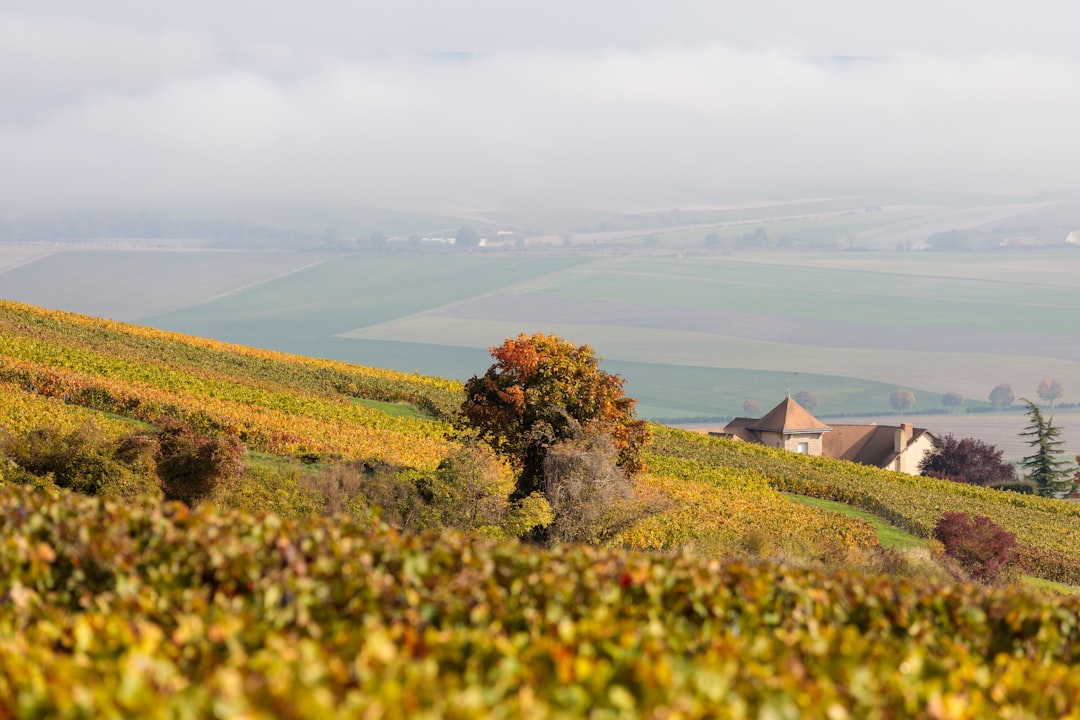
The Champagne region of France stands as one of the world’s most prestigious wine destinations, where centuries of tradition, meticulous craftsmanship, and exceptional terroir combine to create the world’s finest sparkling wines. For first-time visitors, navigating this historic region can feel overwhelming, but with proper planning and insider knowledge, your journey through Champagne will become an unforgettable experience that deepens your appreciation for this liquid gold.
Located just 90 minutes northeast of Paris, the Champagne region offers visitors a perfect blend of world-class wine experiences, rich history, stunning landscapes, and authentic French culture. This comprehensive guide will equip you with everything you need to know to make the most of your inaugural visit to this extraordinary destination.
Understanding the Champagne Region
The Champagne appellation covers approximately 34,000 hectares across five departments in northeastern France, but the heart of the region centers around four main areas: the Montagne de Reims, Vallée de la Marne, Côte des Blancs, and Côte de Sézanne. Each sub-region contributes unique characteristics to the champagnes produced there, influenced by distinct microclimates, soil compositions, and grape varieties.
The Three Noble Grapes
Understanding Champagne begins with knowing its three permitted grape varieties:
- Chardonnay: Provides elegance, finesse, and aging potential with citrus and mineral notes
- Pinot Noir: Contributes structure, body, and red fruit flavors
- Pinot Meunier: Adds roundness, fruitiness, and approachability to younger champagnes
The masterful blending of these grapes, combined with the traditional méthode champenoise, creates the complex, effervescent wines that have made Champagne synonymous with celebration and luxury worldwide.
Planning Your Visit: Best Times to Go
Timing your visit to Champagne significantly impacts your experience, with each season offering distinct advantages and considerations.
Spring (March-May)
Spring brings mild weather and the awakening of the vineyards. The countryside becomes incredibly picturesque as vines begin to bud, and many champagne houses start their outdoor activities. This season offers pleasant weather for vineyard walks and fewer crowds than summer months.
Summer (June-August)
Peak tourist season brings warm weather, long daylight hours, and the full range of activities. However, popular champagne houses may require advance reservations, and accommodation prices reach their highest levels. The landscape is lush and green, perfect for photography.
Fall (September-November)
Harvest season, known as vendange, typically occurs in September and offers visitors a unique opportunity to witness the grape-picking process. The autumn colors create stunning vineyard vistas, and many houses offer special harvest-themed experiences. Weather remains pleasant through October.
Winter (December-February)
While colder and with shorter days, winter offers a more intimate experience with smaller crowds and cozy cellar tastings. Many champagne houses decorate for the holidays, creating a magical atmosphere. Indoor activities and cellar tours become particularly appealing.
Key Cities and Towns to Visit
Reims: The Champagne Capital
Reims serves as the unofficial capital of Champagne and houses many of the region’s most famous champagne houses, including Veuve Clicquot, Taittinger, and Mumm. The city’s crown jewel is the magnificent Gothic cathedral of Notre-Dame de Reims, where French kings were traditionally crowned.
The city offers excellent infrastructure for tourists, with numerous hotels, restaurants, and easy transportation connections. Many of the grandes maisons (large champagne houses) offer comprehensive tours that include historical exhibitions, cellar visits, and structured tastings.
Épernay: The Heart of Champagne
Épernay sits in the heart of the Champagne region and claims to be the true capital of champagne. The famous Avenue de Champagne stretches through the town center, lined with prestigious houses including Moët & Chandon, Perrier-Jouët, and Pol Roger. Beneath the avenue lies over 100 kilometers of underground cellars, earning it the nickname “the most expensive avenue in the world.”
Épernay offers a more intimate experience than Reims, with a charming town center perfect for strolling and dining. The surrounding countryside provides easy access to vineyard walks and smaller, family-owned producers.
Hautvillers: The Birthplace of Champagne
This picturesque village claims to be the birthplace of champagne, where Dom Pérignon, a Benedictine monk, allegedly first developed the method for producing sparkling wine in the 17th century. Hautvillers maintains its historic charm with well-preserved architecture, wrought-iron signs, and stunning views over the Marne Valley.
The village offers several small producers and provides an authentic glimpse into traditional Champagne culture. Many visitors combine Hautvillers with nearby Épernay for a full-day experience.
Aÿ: A Grand Cru Village
Classified as a Grand Cru village, Aÿ produces some of Champagne’s finest Pinot Noir grapes. The village houses several respected producers, including Bollinger, and offers visitors a chance to experience a working wine village atmosphere. The surrounding vineyards provide excellent hiking opportunities with panoramic views of the region.
Must-Visit Champagne Houses
Prestigious Grande Maisons
Dom Pérignon (Moët & Chandon): The most famous champagne brand offers exclusive tastings and tours of their historic cellars in Épernay. Reservations are essential for their premium experiences.
Veuve Clicquot: Known for its distinctive yellow labels, Veuve Clicquot offers immersive experiences in Reims, including underground cellar tours and educational tastings that explain their innovative techniques.
Krug: This family-owned house in Reims specializes in prestige cuvées and offers intimate tastings focused on their unique philosophy of individual plot fermentation.
Taittinger: One of the last family-owned grande maisons, Taittinger provides excellent tours of their historic cellars, some dating back to Roman times, combined with educational tastings.
Boutique and Family Producers
Pierre Péters: This family producer in Le Mesnil-sur-Oger specializes in Blanc de Blancs champagnes and offers personalized tastings in an intimate setting.
Champagne R.H. Coutier: A small family producer in Ambonnay offering authentic experiences and exceptional Grand Cru champagnes at reasonable prices.
Champagne Barnaut: Located in Bouzy, this family house provides tours of their traditional facilities and tastings of their village-specific champagnes.
Unique Experiences and Activities
Underground Cellar Exploration
The chalk cellars beneath Champagne maintain constant temperatures perfect for wine aging and provide fascinating insights into champagne production. Many cellars feature galleries carved during Roman times, creating an atmospheric setting for tastings and tours.
Vineyard Walks and Hiking
Numerous marked trails wind through the vineyards, offering stunning views and educational panels explaining viticultural practices. The Champagne Tourist Route (Route Touristique du Champagne) provides a scenic driving tour connecting key villages and producers.
Grape Harvest Participation
During September’s harvest season, some producers offer visitors the opportunity to participate in grape picking, providing hands-on experience in champagne production and authentic cultural immersion.
Michelin-Starred Dining
The region boasts several exceptional restaurants, including L’Assiette Champenoise in Tinqueux (3 Michelin stars) and Les Crayères in Reims (2 Michelin stars), offering sophisticated cuisine paired with exceptional champagnes.
Transportation and Getting Around
Arriving in Champagne
Most visitors arrive via Paris, with several transportation options available:
- Train: Direct TER trains connect Paris Est to Reims (45 minutes) and Épernay (1 hour 15 minutes)
- Car: Driving offers maximum flexibility for visiting multiple producers and villages. Major highways A4 and A26 provide direct access from Paris
- Organized Tours: Day trips from Paris include transportation and visits to multiple champagne houses
Local Transportation
Within the region, renting a car provides the most flexibility, especially for visiting smaller producers and rural villages. However, designated driver services and bicycle rentals offer alternatives for those preferring not to drive after tastings.
Public transportation connects major towns, but schedules may be limited for smaller villages. Many champagne houses offer shuttle services from train stations with advance booking.
Where to Stay
Luxury Accommodations
Les Crayères (Reims): A Relais & Châteaux property set in a 19th-century château, offering luxury rooms and exceptional dining.
Royal Champagne Hotel & Spa (Champillon): A contemporary luxury hotel with panoramic vineyard views and world-class spa facilities.
L’Assiette Champenoise (Tinqueux): Combines Michelin-starred dining with comfortable accommodations in a modern setting.
Mid-Range Options
Hotel de la Paix (Reims): A well-located hotel near the cathedral and major champagne houses, offering comfortable rooms and continental breakfast.
Best Western Plus Hotel de la Paix (Épernay): Centrally located hotel with modern amenities and easy access to Avenue de Champagne.
Unique Stays
Several bed and breakfasts in wine-growing villages offer authentic experiences with local families, often including home-cooked meals and informal wine tastings. Gîtes (vacation rentals) in vineyard settings provide self-catering options for longer stays.
Essential Tips for First-Time Visitors
Booking and Reservations
Most prestigious champagne houses require advance reservations, especially during peak season and weekends. Book tours and tastings at least 2-3 weeks in advance to secure your preferred dates and times. Some houses only accept reservations online or by phone.
Tasting Etiquette
Champagne tastings follow specific protocols. Hold glasses by the stem to avoid warming the champagne, observe the bubbles and color before tasting, and taste in order from lightest to most complex. Don’t feel obligated to finish every pour, especially when visiting multiple houses.
What to Wear
Cellar visits require warm clothing as underground temperatures remain around 12°C (54°F) year-round. Comfortable walking shoes are essential for vineyard visits and cobblestone streets. Smart casual attire is appropriate for most champagne houses.
Language Considerations
While many champagne houses offer English-language tours, learning basic French phrases enhances your experience, especially at smaller producers. Staff at major houses typically speak English, but smaller family operations may require French.
Food and Wine Pairing
The Champagne region offers excellent culinary traditions that complement its wines perfectly. Traditional dishes include:
- Andouillette de Troyes: A traditional sausage from the Aube region
- Jambon de Reims: Local ham preparation with unique spicing
- Chaource and Maroilles: Regional cheeses that pair beautifully with champagne
- Rose de Reims: Pink biscuits traditionally dipped in champagne
Many restaurants offer champagne and food pairing menus, allowing visitors to explore how different champagne styles complement various flavors and textures.
Shopping and Souvenirs
Beyond purchasing champagne, the region offers various souvenirs and local products:
- Champagne-related accessories including proper glasses, stoppers, and gift sets
- Local gourmet products like mustards, honeys, and preserves
- Artisanal crafts from local artisans
- Books and guides about champagne history and production
Many champagne houses offer shipping services for wine purchases, though international shipping may be restricted to certain countries.
Budget Planning
Champagne region visits can accommodate various budgets with careful planning:
Budget-Friendly Options
- Visit smaller producers offering free or low-cost tastings
- Choose mid-week visits when prices are often lower
- Combine multiple activities in single locations to reduce transportation costs
- Pack picnics for vineyard excursions
Typical Costs
- Champagne house tours and tastings: €15-50 per person
- Bottles of champagne: €25-200+ depending on producer and cuvée
- Restaurant meals: €25-35 for lunch, €45-80 for dinner
- Accommodation: €80-300+ per night depending on category
Conclusion
A first visit to the Champagne region offers an extraordinary journey through centuries of winemaking tradition, stunning landscapes, and unparalleled hospitality. From the grand cellars of prestigious houses to intimate tastings at family producers, every experience deepens your understanding and appreciation of the world’s most celebrated sparkling wine.
The key to a successful Champagne region visit lies in balancing structured activities with spontaneous discoveries, combining famous destinations with hidden gems, and remaining open to the stories and passion of the people who dedicate their lives to creating these exceptional wines. Whether you’re seeking luxury experiences, cultural immersion, or simply the pleasure of tasting exceptional champagne in its birthplace, the Champagne region delivers memories that will last a lifetime.
Start planning your Champagne region adventure today by researching specific producers that align with your interests, booking accommodations in advance, and preparing for an unforgettable journey through one of France’s most treasured wine regions. The bubbles are waiting, and your first sip of champagne in its homeland will forever change how you experience this remarkable wine.