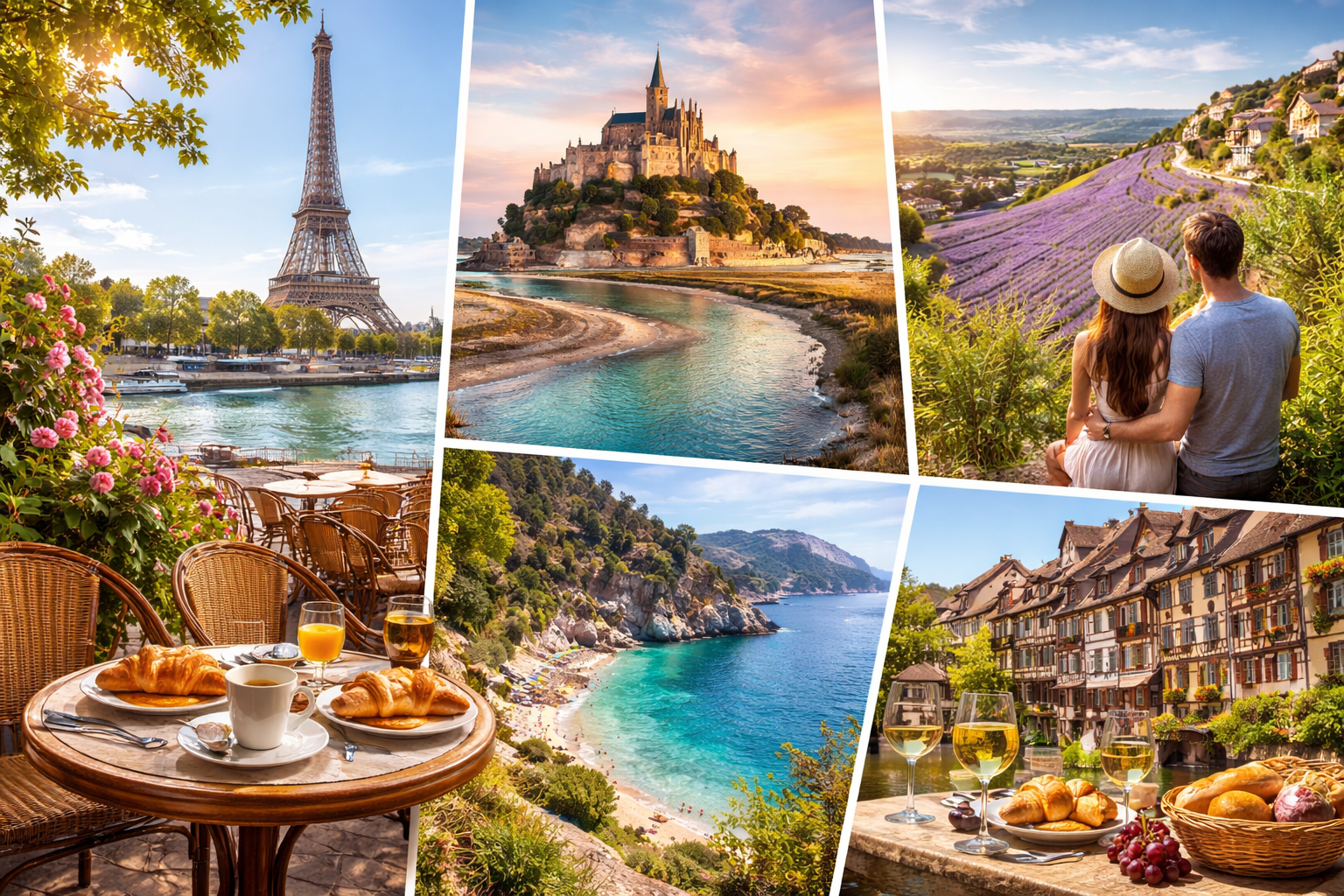
France rewards travelers who explore beyond guidebook highlights, and the right tour transforms a good trip into an unforgettable journey. Whether you dream of cycling through lavender-scented Provence, sipping champagne in centuries-old cellars, walking the D-Day beaches with an expert historian, or mastering French cuisine alongside a Michelin-starred chef, France offers tours that bring every interest to life.
This comprehensive guide covers the best tours in France across every category, from classic sightseeing to specialized experiences that reveal the country’s hidden depths. With over 89 million visitors annually, France has developed world-class tour infrastructure, and knowing which experiences deliver genuine value helps you invest your time and money wisely.
Table of Contents
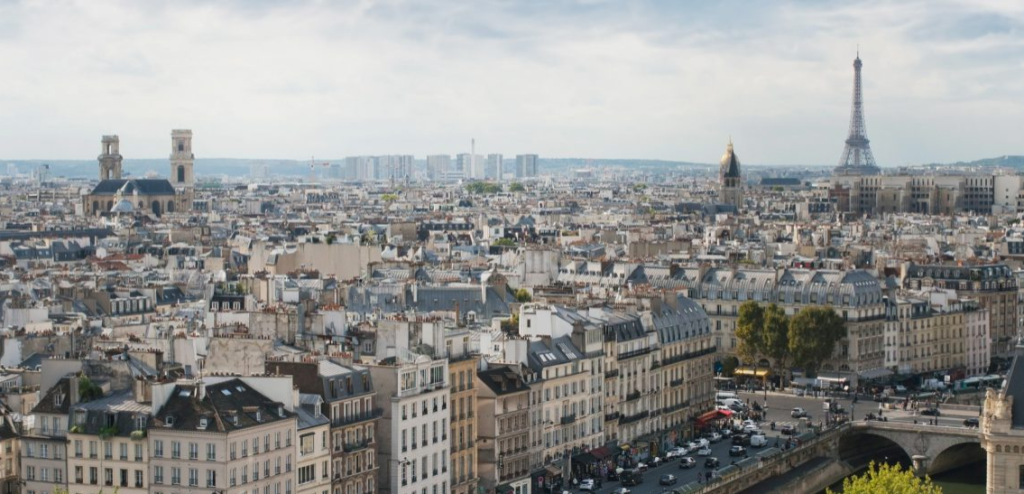
Paris Tours: Essential Experiences in the City of Light
Paris anchors most French itineraries, and while the city rewards independent exploration, certain experiences genuinely benefit from expert guidance.
Skip-the-Line Museum Tours
The Louvre houses over 35,000 artworks across 652,000 square feet, making independent visits overwhelming for most travelers. Expert-guided tours cut through the enormity, providing strategic routes that connect masterpieces while explaining historical context that transforms viewing from passive observation to genuine understanding.
The best Louvre tours limit group sizes to 8-15 people, include skip-the-line access, and focus on curated highlights rather than exhausting coverage. A skilled guide reveals details invisible to casual observers: the subtle smile mechanics of the Mona Lisa, the political symbolism in Delacroix’s Liberty Leading the People, the ancient Egyptian artifacts’ journey to Paris. These tours typically run 2-3 hours and cost €60-100 per person, representing excellent value given that independent visits often consume entire days with less comprehension.
The Musée d’Orsay, housing the world’s finest Impressionist collection, similarly benefits from guided interpretation. Understanding why Monet, Renoir, and their contemporaries revolutionized art requires historical context that transforms paintings from pretty images into radical statements.
Eiffel Tower Experiences
The Eiffel Tower draws over 7 million visitors annually, creating queues that can consume hours. Skip-the-line tours provide summit access without the wait, though the real value lies in guides who explain the tower’s controversial construction history, its near-demolition, and its transformation into the world’s most recognized landmark.
Evening tours offer particular magic, timing arrival for sunset views followed by the tower’s hourly light show when 20,000 bulbs transform the iron structure into a sparkling beacon. Summit access tours typically cost €50-80 per person, with the time savings alone justifying the premium over standard tickets.
Neighborhood Walking Tours
Paris reveals itself neighborhood by neighborhood, and walking tours led by passionate local guides uncover stories invisible to independent wanderers. Montmartre tours trace the footsteps of Van Gogh, Picasso, and Toulouse-Lautrec through cobblestone streets that retain bohemian charm despite tourist crowds. Le Marais tours explore Jewish heritage, medieval architecture, and contemporary gallery culture within a few blocks.
Food-focused walking tours through Saint-Germain-des-Prés or the Latin Quarter visit specialty shops—fromageries, boulangeries, chocolatiers, wine merchants—with tastings that educate palates while filling stomachs. These tours typically run 3-4 hours and cost €80-150 per person including generous tastings. The best operators limit groups to 8-12 participants, ensuring intimate experiences rather than cattle-drive tourism.
Day Trips from Paris
Paris provides excellent access to surrounding attractions, and day tours eliminate the logistics of independent travel while maximizing limited time.
Versailles day tours remain among France’s most popular excursions, and for good reason. The palace’s scale overwhelms independent visitors, but guided tours navigate the 700-room complex strategically, explaining the Sun King’s calculated grandeur while accessing areas closed to general admission. Full-day tours including the gardens and Marie Antoinette’s estate cost €100-180 per person.
Giverny, where Monet created his famous water lily paintings, lies 75 kilometers from Paris. Half-day tours visit the artist’s home and gardens, with the best timing visits for morning light that inspired Monet himself. Combined Giverny and Versailles tours maximize a full day for approximately €150-200 per person.
Champagne day trips from Paris have become increasingly popular, with the region just 45 minutes by train. Tours visit famous houses like Moët & Chandon or Veuve Clicquot, plus smaller grower-producers offering more intimate experiences. Full-day champagne tours typically cost €150-250 per person including tastings, lunch, and transportation.
Wine Tours: Exploring France’s Legendary Regions
France’s wine regions offer some of the country’s most rewarding tour experiences, combining stunning landscapes, centuries of tradition, and the pleasures of tasting world-class wines at their source.
Champagne Region Tours
Champagne, the world’s most famous sparkling wine region, lies conveniently close to Paris. The twin capitals of Reims and Épernay anchor most tours, with the Avenue de Champagne in Épernay—lined with grand houses atop kilometers of underground cellars—considered one of the world’s most valuable streets.
The great champagne houses—Moët & Chandon, Veuve Clicquot, Taittinger, Pommery—offer impressive cellar tours through chalk tunnels storing millions of aging bottles. These experiences cost €25-60 per person and provide excellent introductions to champagne production. However, serious wine enthusiasts increasingly seek smaller grower-producers (récoltant-manipulants) who craft distinctive wines from their own vineyards.
Multi-day champagne tours allow deeper exploration, visiting both famous houses and artisan producers while staying in the region’s charming towns. Three-day tours typically cost €800-1,500 per person including accommodation, meals, and extensive tastings.
Bordeaux Wine Tours
Bordeaux produces some of the world’s most prestigious wines across a vast region divided into famous sub-regions. The Left Bank Médoc creates powerful Cabernet Sauvignon-dominated reds from legendary châteaux, while Saint-Émilion and Pomerol on the Right Bank favor Merlot-based blends.
The medieval village of Saint-Émilion, a UNESCO World Heritage site, provides the most picturesque base for Bordeaux wine touring. Its underground monolithic church, carved from limestone in the 12th century, amazes visitors, while surrounding vineyards produce some of Bordeaux’s most approachable yet age-worthy wines.
Half-day tours from Bordeaux city visit 2-3 châteaux with tastings, typically costing €70-120 per person. Full-day tours expand to 4-5 properties across different appellations for €120-200. Private tours, while more expensive at €300-500 per person, allow customization and access to prestigious properties that don’t accept group visits.
The city of Bordeaux itself has transformed into a cultural destination, with the Cité du Vin museum providing excellent wine education before venturing into the vineyards. The museum’s tasting room offers wines from around the world, though most visitors save their palates for the real thing in surrounding estates.
Burgundy Wine Tours
Burgundy’s complexity intimidates newcomers—its classification system ranks individual vineyard plots from regional wines to Grand Cru based on precise terroir differences. But visiting simplifies everything. The Côte d’Or’s gentle hills, the walled vineyards of Clos de Vougeot, and the historic town of Beaune with its stunning Hospices create accessible introductions.
Burgundy focuses on two grapes—Pinot Noir for reds and Chardonnay for whites—allowing terroir to shine through each bottle. The Route des Grands Crus passes through villages whose names read like a wine lover’s wish list: Gevrey-Chambertin, Vosne-Romanée, Puligny-Montrachet, Meursault.
Cycling tours through Burgundy’s vineyards have become particularly popular, combining gentle exercise with wine tasting at a pace that allows spontaneous stops. Multi-day cycling and wine tours cost €1,500-3,000 per person including bike rental, accommodation, and tastings.
Beaune serves as the ideal base, with the Hospices de Beaune—a 15th-century charitable hospital with its famous multi-colored tile roof—anchoring the town’s historic center. The annual Hospices de Beaune wine auction each November draws collectors worldwide.
Loire Valley Wine and Château Tours
The Loire Valley uniquely combines France’s greatest concentration of Renaissance châteaux with diverse wine production. Tours here satisfy both architecture enthusiasts and wine lovers, often in the same day.
The region produces exceptional white wines from Sauvignon Blanc (Sancerre, Pouilly-Fumé) and Chenin Blanc (Vouvray, Savennières), along with underrated reds from Cabernet Franc (Chinon, Bourgueil). Tasting in the shadow of Château de Chambord or after touring Château de Chenonceau creates memorable combinations.
Multi-day Loire Valley tours typically cost €1,200-2,500 per person for 4-6 days, including château visits, wine tastings, accommodation in historic properties, and some meals. Self-guided options with pre-arranged accommodations and tasting appointments offer flexibility at lower price points.
Provence and Rhône Valley Wine Tours
Provence has elevated rosé to an art form, with its pale pink wines perfectly suited to Mediterranean climate and cuisine. Wine tours here combine vineyard visits with lavender fields (late June through early August), hilltop villages, and exceptional food.
The Côtes du Rhône, stretching from Lyon to Avignon, produces powerful reds from Grenache, Syrah, and Mourvèdre blends. Châteauneuf-du-Pape, the region’s most prestigious appellation, rewards dedicated wine tourists with complex wines and fascinating history—the name means “Pope’s New Castle,” referencing the 14th-century papal residency in Avignon.
Combined wine and food tours in Provence typically cost €200-400 per day, including market visits, cooking experiences, wine tastings, and transportation through stunning landscapes.
Culinary Tours: Tasting France’s Gastronomic Heritage
French gastronomy holds UNESCO Intangible Cultural Heritage status, and food-focused tours provide the most delicious education available.
Paris Food Tours
Paris food tours range from neighborhood walking tours with tastings to intensive cooking classes with professional chefs. The best walking tours explore specific arrondissements, visiting specialty shops that Parisians themselves frequent rather than tourist-oriented establishments.
Saint-Germain-des-Prés tours might visit legendary fromagerie Quatrehomme, chocolate maker Patrick Roger, and the historic Poilâne bakery. Le Marais tours explore Jewish bakeries, artisan food producers, and covered market halls. Tours typically include 6-10 tastings over 3-4 hours, costing €100-180 per person.
Cooking classes in Paris range from croissant-making workshops (€80-120 for 2-3 hours) to full-day market-to-table experiences (€250-400) that begin with morning market shopping and conclude with a multi-course lunch you’ve prepared. Some classes focus on specific techniques—macarons, French sauces, classic bistro dishes—while others provide comprehensive introductions to French culinary principles.
Regional Culinary Experiences
Each French region offers distinct culinary traditions worth exploring through dedicated food tours.
Lyon, France’s gastronomic capital, features traditional bouchons serving local specialties like quenelles, andouillette, and tablier de sapeur. Food tours here explore the city’s covered markets, silk-weaving heritage (which influenced local cuisine), and the Beaujolais wine region nearby.
Provence food tours emphasize market visits, olive oil tastings, and cooking classes featuring Mediterranean ingredients—tomatoes, olives, herbs, fresh seafood. The region’s outdoor markets, particularly in Aix-en-Provence and Isle-sur-la-Sorgue, provide vibrant introductions to Provençal food culture.
Bordeaux combines wine touring with exceptional food experiences, from Atlantic oysters in nearby Arcachon to truffle hunting in the Périgord. The region’s canelé pastries, caramelized and flavored with rum and vanilla, make delicious souvenirs.
Normandy’s culinary tours feature Camembert cheese production, apple orchards producing cider and calvados, and fresh seafood from the region’s extensive coastline. The famous omelettes of Mont Saint-Michel—fluffy productions from La Mère Poulard restaurant—have drawn visitors since 1888.
Multi-Day Culinary Vacations
Intensive cooking vacations immerse participants in French gastronomy over several days. These programs typically include daily cooking classes, market visits, wine tastings, and meals at notable restaurants. Accommodations often feature historic châteaux or charming country properties.
Week-long culinary vacations in regions like Provence, Burgundy, or the Dordogne typically cost €3,000-6,000 per person, including accommodation, most meals, cooking instruction, and excursions. Luxury programs with Michelin-starred chef instruction can exceed €10,000.
The International Kitchen, Gourmet on Tour, and similar operators have refined these experiences over decades, developing relationships with local chefs, winemakers, and food producers that provide access unavailable to independent travelers.
Historical and Cultural Tours
France’s layered history creates compelling tour opportunities for those interested in specific eras or events.
D-Day and Normandy Tours
The D-Day beaches along Normandy’s coast witnessed one of history’s most significant military operations on June 6, 1944. Today, these sites serve as powerful memorials, and expert-guided tours provide historical context that transforms visits from sightseeing to profound experiences.
The five landing beaches—Utah, Omaha, Gold, Juno, and Sword—spread across approximately 50 miles of coastline, with numerous museums, memorials, and cemeteries telling different aspects of the invasion story. A single day allows meaningful visits to several key sites, though serious history enthusiasts benefit from multi-day exploration.
Half-day tours from Bayeux typically focus on the American sector (Omaha Beach, Pointe du Hoc, American Cemetery at Colleville-sur-Mer) or the British and Canadian sectors, costing €80-120 per person. Full-day tours expand coverage for €150-250. Private tours, while more expensive at €400-700 for small groups, allow customization based on family history or specific interests.
The American Cemetery overlooking Omaha Beach, with 9,387 white crosses and Stars of David arranged in perfect rows, provides the most emotionally powerful experience. Guided tours explain individual stories among the fallen, personalizing sacrifice in ways independent visits cannot match.
The Mémorial de Caen, a comprehensive World War II museum, provides excellent historical context before or after beach visits. Many tour operators include this stop, and the museum itself runs quality guided tours of the landing sites.
Mont Saint-Michel Tours
Mont Saint-Michel, the medieval fortress-abbey rising dramatically from tidal flats, draws approximately 2.5 million visitors annually. Its narrow streets become impossibly crowded mid-day when tour buses arrive, making timing crucial.
Day tours from Paris include 4-5 hours of driving each direction but eliminate parking hassles and provide guided abbey access. These tours typically cost €150-200 per person. Overnight stays on or near the Mount allow experiencing the island after day-trippers depart, when its medieval atmosphere returns.
Guided abbey tours, included in admission, explain the 500-year construction history spanning different medieval architectural styles. The tidal patterns that isolate the island create dramatic spectacles, particularly during spring tides when water rushes in at remarkable speed.
Combined Mont Saint-Michel and D-Day tours pack significant content into long days (often 12+ hours from Paris), costing €180-250 per person. These work for time-pressed visitors but sacrifice depth for breadth.
Loire Valley Château Tours
The Loire Valley’s concentration of Renaissance châteaux—over 300 castles within a relatively compact region—creates France’s most architecturally spectacular touring destination.
Château de Chambord astounds with 440 rooms, 282 fireplaces, and a double-helix staircase attributed to Leonardo da Vinci. Château de Chenonceau spans the River Cher with ethereal elegance, its gallery bridge creating one of France’s most photographed images. Château de Villandry impresses with extraordinary Renaissance gardens more than the château itself.
Day tours from Paris visit 2-3 châteaux with guided commentary, typically costing €130-180 per person including transportation and entrance fees. Multi-day tours allow deeper exploration at a more relaxed pace, often combining château visits with wine tasting in surrounding vineyards.
Self-guided château touring works well given excellent signage and audio guides at major properties, but guided tours reveal architectural details, historical gossip, and strategic viewing angles that enhance appreciation significantly.
Adventure and Active Tours
France’s diverse landscapes—from Alpine peaks to Mediterranean coastlines to rolling wine country—support exceptional active touring.
Cycling Tours
France’s cycling infrastructure, developed partly through Tour de France legacy, makes the country ideal for bike touring. Dedicated cycling paths, driver awareness, and manageable distances between charming villages create perfect conditions.
The Loire Valley offers France’s most accessible cycling, with flat terrain, dedicated bike paths, and châteaux spaced perfectly for daily rides. The Loire à Vélo route stretches 900 kilometers from the Atlantic to Burgundy, though most cyclists tackle shorter sections. Self-guided tours with pre-booked accommodations and luggage transfers typically cost €1,200-2,000 per person for 6-8 days.
Burgundy cycling combines wine tasting with gentle hills through the Côte d’Or vineyards. The Route des Grands Crus passes through legendary wine villages, with cellar visits breaking up cycling days. Tours here typically cost €1,500-2,500 per person for a week, including bike rental, accommodations, and tasting appointments.
Provence cycling tours navigate lavender fields, hilltop villages, and Mediterranean coastline. The terrain varies from challenging (Mont Ventoux, a Tour de France legend) to gentle (coastal routes). Summer heat makes spring and fall ideal seasons. Tours cost €1,500-3,000 per person depending on accommodation level and included services.
Bike and barge tours combine cycling with floating accommodations, allowing daily rides from the boat through wine country or along canal towpaths before returning to comfortable cabins. These tours typically cost €2,000-4,000 per person for a week, with the unique appeal of unpacking once while covering significant distance.
River Cruises
French river cruises offer relaxed exploration of wine regions, historic towns, and scenic landscapes. The Seine, Rhône, Saône, Garonne, and Dordogne rivers all support cruise itineraries.
Seine cruises between Paris and Normandy visit Monet’s Giverny, Rouen’s Gothic cathedral, and the D-Day beaches. Seven-night cruises typically cost €2,500-5,000 per person depending on cabin category and cruise line.
Rhône and Saône cruises explore Lyon’s gastronomic heritage, Burgundy’s vineyards, and Provence’s Roman ruins. The journey from Lyon to Avignon passes through some of France’s most celebrated wine appellations. Similar pricing applies to Seine cruises.
Bordeaux cruises navigate the Garonne and Dordogne rivers through prestigious wine country, with shore excursions to famous châteaux and tastings of legendary vintages. These specialized cruises attract wine enthusiasts willing to pay premium prices for exceptional access.
Luxury barge cruises on France’s extensive canal network offer intimate experiences for 6-12 passengers, with daily excursions by bicycle, foot, or vehicle to local attractions. Six-night charters cost €4,000-8,000 per person all-inclusive, representing France’s most exclusive waterway experiences.
Hiking Tours
France’s long-distance hiking trails (Grandes Randonnées or GR routes) cross spectacular landscapes, with organized tours providing logistics support for multi-day treks.
The GR20 across Corsica challenges experienced hikers with 180 kilometers of rugged mountain terrain over two weeks. Guided and self-guided options cost €1,500-3,000 depending on support level.
Provence hiking tours navigate the Luberon hills, the Calanques coastal cliffs near Marseille, and the dramatic Gorges du Verdon. Spring wildflower season and fall harvest time offer ideal conditions. Week-long tours typically cost €1,200-2,500 per person.
The French Alps provide summer hiking through Alpine meadows, with cable cars providing access to high-altitude trails around Chamonix and other resort towns. Walking tours with baggage transfers and pre-booked mountain refuges cost €1,500-3,000 for a week.
Multi-Day Guided Tours: Comprehensive France Experiences
For travelers preferring organized itineraries with expert guidance throughout, multi-day escorted tours provide comprehensive France experiences.
Classic France Tours
Major tour operators like Trafalgar, Insight Vacations, and Globus offer 8-15 day France tours covering Paris, the Loire Valley, Provence, and the French Riviera. These tours include accommodation, transportation, many meals, and guided sightseeing at major attractions.
The “Best of France” style itineraries typically cost €3,000-5,000 per person for 10-12 days, representing good value given included services. Group sizes range from 25-45 passengers on coach tours, with small-group options (12-20 passengers) commanding premium prices.
These tours suit first-time France visitors wanting comprehensive introductions without planning stress. The pace can feel rushed for some, with early departures and full schedules, but well-designed itineraries maximize limited time efficiently.
Small Group and Luxury Tours
Premium operators like Tauck, Abercrombie & Kent, and Butterfield & Robinson offer refined France experiences with smaller groups, superior accommodations, and exclusive access.
Luxury France tours typically cost €6,000-12,000 per person for 8-12 days, including stays at château hotels, Michelin-starred dining, and private guided experiences unavailable to larger groups. Group sizes rarely exceed 18 passengers, allowing more intimate experiences.
Specialty operators focus on specific interests—wine, culinary arts, history, art—attracting enthusiasts willing to pay premium prices for deep expertise. These tours represent France touring at its finest, with every detail curated by specialists.
Self-Guided Tours
Self-guided tour packages provide independence with support, including pre-booked accommodations, detailed route instructions, luggage transfers, and 24/7 assistance. Travelers set their own pace while benefiting from expert planning.
Self-guided options exist for driving tours, cycling tours, and walking tours, typically costing 30-50% less than equivalent guided experiences. The Loire Valley, Provence, and Normandy particularly suit this approach, with well-marked routes and sufficient English spoken for comfortable independent travel.
Practical Tips for Booking France Tours
Several considerations help ensure you book tours that match your expectations and travel style.
When to Book
Popular tours, especially during peak season (May-September), sell out months in advance. For specific dates at popular destinations—champagne harvest season, lavender bloom in Provence, D-Day anniversary commemorations—book 4-6 months ahead.
Shoulder seasons (April-May, September-October) offer the best combination of pleasant weather, manageable crowds, and available inventory. Winter tours (excluding Christmas markets) often discount significantly.
Tour Operator Considerations
Read recent reviews on independent platforms like TripAdvisor and TourRadar rather than relying solely on operator websites. Pay attention to guide quality, group size, and whether actual experiences matched descriptions.
Verify what’s included in tour prices. Some operators include most meals while others include few. Entrance fees, tips, and optional excursions can add significant costs beyond quoted prices.
Consider operator specialization. Companies focusing specifically on wine tours, culinary experiences, or active travel typically deliver superior experiences in their areas of expertise compared to generalist operators.
Group Size Matters
Small groups (8-16 participants) typically provide better experiences than large coach tours, particularly for food and wine tours where intimate access matters. Private tours cost more but allow customization and flexibility impossible with groups.
For museum tours and walking tours, group size directly impacts guide audibility and crowd navigation. The best operators limit groups strictly and use audio systems when necessary.
Customization Options
Many operators offer private versions of their standard tours at premium prices, allowing date flexibility and itinerary adjustments. This option particularly suits families, groups of friends, or travelers with specific interests.
Some operators specialize in fully bespoke tour creation, designing custom itineraries based on individual interests. These services suit travelers with generous budgets and specific visions for their France experience.
Conclusion: Finding Your Perfect France Tour
France’s tour offerings match virtually every interest, budget, and travel style. The country that perfected the art of living has equally perfected the art of sharing its treasures with visitors.
For first-time visitors, combining independent Paris exploration with a few well-chosen guided experiences—a museum tour, a food walk, a day trip to Champagne or Versailles—provides an ideal introduction. Returning visitors can dive deeper into specific regions or interests, whether cycling through Burgundy’s vineyards, cooking in a Provençal farmhouse, or following history along the D-Day beaches.
The best tours share common characteristics: expert guides who bring passion and knowledge to their subjects, appropriate group sizes for the experience type, and thoughtful logistics that maximize time at destinations rather than in transit. Invest in quality where it matters most to your interests, and France will reward you with experiences that transform travel from sightseeing into genuine discovery.
Your perfect France tour exists. The only question is which adventure calls to you first.
Frequently Asked Questions
What are the best tours in France for first-time visitors?
For first-time visitors, the most valuable tours include skip-the-line Louvre or Musée d’Orsay tours with expert guides, Paris food walking tours, a Versailles day trip, and either a Champagne wine tour or Mont Saint-Michel excursion. These experiences provide essential context and access that enhance initial France experiences significantly.
How much do tours in France typically cost?
Tour costs vary widely by type. Paris walking tours range from €30-80 per person, while day trips to Versailles or Champagne cost €100-250. Multi-day guided tours run €2,500-5,000 for 8-12 days, while luxury tours can exceed €10,000. Wine region tours typically cost €70-200 per day depending on inclusions.
Should I book tours in advance or wait until I arrive?
Book popular tours 2-4 weeks in advance during peak season (May-September) and for specific dates at high-demand experiences. Same-day booking often works during shoulder and off-seasons, but availability for small-group and specialized tours becomes limited. Skip-the-line museum tours particularly benefit from advance booking.
Are private tours worth the extra cost?
Private tours typically cost 2-3 times more than group tours but offer customization, flexible timing, and exclusive guide attention. They’re particularly worthwhile for wine tours (access to prestigious properties), culinary experiences (hands-on participation), and history tours (ability to focus on specific interests). Families and groups of 4+ often find private tours comparable in per-person cost to premium small-group options.
What’s the best time of year for France tours?
Spring (April-June) and fall (September-October) offer ideal conditions for most France tours—pleasant weather, manageable crowds, and reasonable prices. Summer suits Loire Valley châteaux and beach-focused tours despite crowds. Wine harvest tours peak September-October. Lavender tours require late June through early August timing. Winter offers Christmas market tours and significant discounts on most other experiences.
How do I choose between different tour operators?
Compare operators on group size, guide expertise, included services, and recent independent reviews. Specialist operators (focused on wine, food, cycling, or history) typically outperform generalists in their areas. Verify cancellation policies, what’s included versus extra, and whether the operator runs tours directly or subcontracts locally. Price should be considered alongside value rather than as the primary selection criterion.